Washington, DC · dry cleaner
Dry cleaner equipment costs Washington
Opening a dry cleaner in Washington, DC requires careful planning around equipment and buildout costs. The high rent bands in prime neighborhoods like Chevy Chase DC ($35-$85/sqft/yr NNN) and Foggy Bottom / GWU ($35-$85/sqft/yr NNN) mean every square foot counts. Equipment choices directly impact your operational efficiency and customer satisfaction, making this a critical area of focus for any founder.
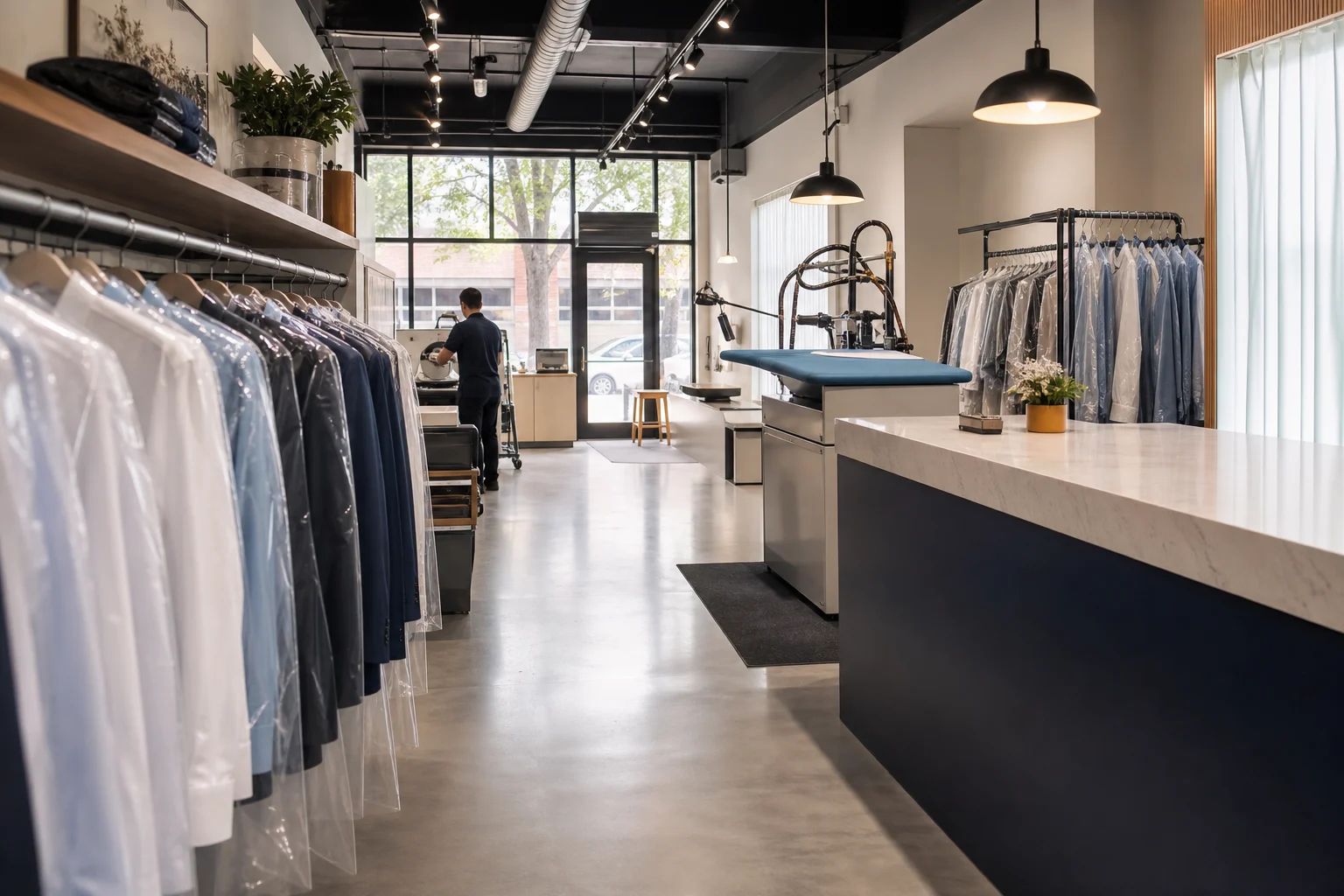
What equipment do you need to open a dry cleaner in Washington?
The core equipment for a dry cleaner typically includes:
- Dry cleaning machines (perc or hydrocarbon)
- Finishing equipment (presses, steamers, formers)
- Spotting boards and treatment stations
- Laundry machines (if offering laundry services)
- Computer system for order management
- Security system
- Customer waiting area furniture
In Washington's competitive market, having reliable, efficient equipment is non-negotiable. Established operators like Barr Cleaners in Foggy Bottom / GWU and Red Valet Cleaners in Logan Circle have built their reputations on consistent quality, which starts with proper equipment.
Buildout cost categories
Plumbing and electrical
Dry cleaning operations require specialized plumbing and electrical setups. Your dry cleaning machine will need dedicated water and drainage connections, while pressing equipment demands significant electrical power. In Washington neighborhoods with older buildings like Dupont Circle, you may face additional costs for bringing electrical systems up to code.
HVAC and ventilation
Proper ventilation is critical for dry cleaning facilities due to chemical fumes. Washington's building codes strictly regulate ventilation systems, especially in densely populated areas like CityCenterDC in Logan Circle. Your HVAC system must handle both temperature control and air filtration to meet health and safety standards.
Flooring and finishes
The flooring in your dry cleaner needs to be durable, chemical-resistant, and slip-resistant. In high-traffic Washington locations like The Yards Park in Navy Yard / Capitol Riverfront, your flooring will endure constant foot traffic and potential chemical spills. Consider epoxy or vinyl flooring that can withstand the demands of a busy dry cleaning operation.
Permits-driven items
Washington, DC requires specific permits for dry cleaning operations, including environmental permits for handling cleaning solvents. The Department of Consumer and Regulatory Affairs (DCRA) oversees these requirements. Your buildout must accommodate inspection requirements, which may include specific storage for chemicals and proper waste disposal systems.
Furniture and signage
Customer-facing elements impact your brand perception. In Washington's competitive market, thoughtful design matters. Consider how furniture placement in your waiting area affects flow, especially in smaller spaces common in neighborhoods like Chevy Chase DC. Your signage must comply with DC's sign regulations while effectively communicating your brand.
Equipment line items to validate in Washington
When sourcing equipment for your Washington dry cleaner, consider these key items:
| Equipment Category | Key Considerations for Washington Market | Typical Washington Neighborhood Impact |
|---|---|---|
| Dry Cleaning Machine | Climate control features for humidity | Essential in all neighborhoods, especially Logan Circle and Dupont Circle |
| Finishing Equipment | Speed and quality for professional attire | Critical in business districts like Foggy Bottom / GWU |
| Spotting Equipment | Effectiveness on common DC stains | Valuable in all neighborhoods with professional populations |
| Order Management | Integration with customer notifications | Improves experience in high-traffic areas like CityCenterDC |
| Security System | Protection for equipment and garments | Important in all Washington locations |
- Dry cleaning machine - The heart of your operation. Washington's humidity can affect machine performance, so climate control features are valuable.
- Finishing equipment - Presses, steamers, and formers that deliver crisp results. Customers in Washington expect high-quality finishing.
- Spotting equipment - Essential for addressing tough stains common in professional attire.
- Laundry machines (if applicable) - Separate from dry cleaning equipment to prevent cross-contamination.
- Order management system - Streamlines operations and improves customer experience.
- Security system - Protects valuable equipment and customer property.
How established operators in Washington configure their kitchens
Looking at successful dry cleaners in Washington provides valuable insights into equipment. Barr Cleaners in Foggy Bottom / GWU and Red Valet Cleaners in Logan Circle both maintain high ratings (4.7 stars and 4.6 stars respectively) with equipment setups that balance efficiency and customer experience.
These operators typically invest in:
- High-quality dry cleaning machines that minimize environmental impact
- Multiple finishing stations to handle peak demand
- Organized storage systems for clean and soiled garments
- Customer notification systems for ready pickups
- Comfortable waiting areas with amenities
The layout often prioritizes workflow efficiency, with soiled garment intake separate from clean garment pickup to maintain quality standards.
Used vs. new vs. lease
Washington's market conditions may influence your equipment acquisition strategy:
- New equipment: Higher upfront cost but comes with warranties and latest technology. Suitable for operators targeting premium markets like Chevy Chase DC.
- Used equipment: Lower initial investment but may require more maintenance. Consider the total cost of ownership over a variable local timeline.
- Leased equipment: Preserves capital and includes maintenance, but long-term costs may exceed purchasing.
Your choice should align with your business model, available capital, and growth projections for Washington's competitive market.
Buildout timeline
Washington's permitting process and contractor availability can impact your timeline. Key milestones include:
- Permit application and approval (a variable local timeline)
- Contractor selection and design finalization (a variable local timeline)
- Equipment ordering and delivery (a variable local timeline)
- Construction and installation (a variable local timeline)
- Inspection and final approvals (a variable local timeline)
Factor in potential delays, especially during Washington's busy construction seasons.
Common buildout overruns
Several factors commonly lead to budget overruns in Washington dry cleaner buildouts:
- Unforeseen structural issues in older buildings
- Delayed permit approvals
- Supply chain disruptions affecting equipment delivery
- Additional requirements from DC's environmental regulations
- Unanticipated utility upgrades needed for equipment
Building in a contingency of 15-20% is prudent given Washington's market conditions.
FAQ
What are the most important considerations when choosing equipment for a Washington dry cleaner?
When selecting equipment for your Washington dry cleaner, prioritize reliability, efficiency, and compliance with DC regulations. Consider the specific needs of your target neighborhood - for example, professionals in Foggy Bottom / GWU may require faster turnaround times, while families in Chevy Chase DC might prioritize stain removal capabilities. Also factor in the humidity levels in Washington, which can affect machine performance and require additional climate control features.
How do Washington's rent bands impact equipment decisions?
Washington's high rent bands ($35-$85/sqft/yr NNN across top neighborhoods) mean space efficiency is critical. Choose equipment that maximizes productivity per square foot. Multi-functional machines and vertical storage solutions help optimize your limited space. In premium locations like Logan Circle near CityCenterDC, investing in slightly more compact, efficient equipment can improve your return on rent.
What permits are required for a dry cleaner in Washington, DC?
Washington, DC requires several permits for dry cleaning operations, including business licenses from the Department of Consumer and Regulatory Affairs (DCRA), environmental permits for handling cleaning solvents, and potentially zoning approvals. The Department of Energy and Environment may also be involved due to chemical usage. Always verify current requirements with these agencies, as regulations can change and vary by neighborhood.
Last reviewed: 2026-05-30
Sources: U.S. Census Bureau ACS, LEHD LODES, Google Places, OpenStreetMap, Locavisor neighborhood scoring.
Methodology: Locavisor scores neighborhoods across demand, competition fit, rent fit, accessibility, and customer match. Scores reflect a snapshot of recent data and should be combined with on-the-ground research before lease decisions.
Disclaimer: This article provides informational content only and does not constitute legal, financial, accounting, or real-estate advice. Verify lease terms, licensing, local regulations, costs, and professional requirements with qualified local professionals before making business decisions.
Free preview shows top 3 neighborhoods. Full $9.99 report covers all 10 areas with personalized scoring + 90-day check-ins.
Informational only. Verify lease, licensing, local regulations, costs, and professional requirements with qualified local professionals.