Atlanta, GA · ice cream shop
Ice cream shop equipment costs Atlanta
Starting an ice cream shop in Atlanta requires careful planning of equipment and buildout costs. The city's market temperature is mixed with medium competition density and high rent levels, making equipment decisions particularly impactful for your budget. Locavisor neighborhood scoring identifies three top areas for consideration: Downtown (5.5/10), Smyrna / Vinings (5.4/10), and West Midtown / Westside (5.4/10). Each location presents different equipment requirements based on foot traffic patterns and operational demands.
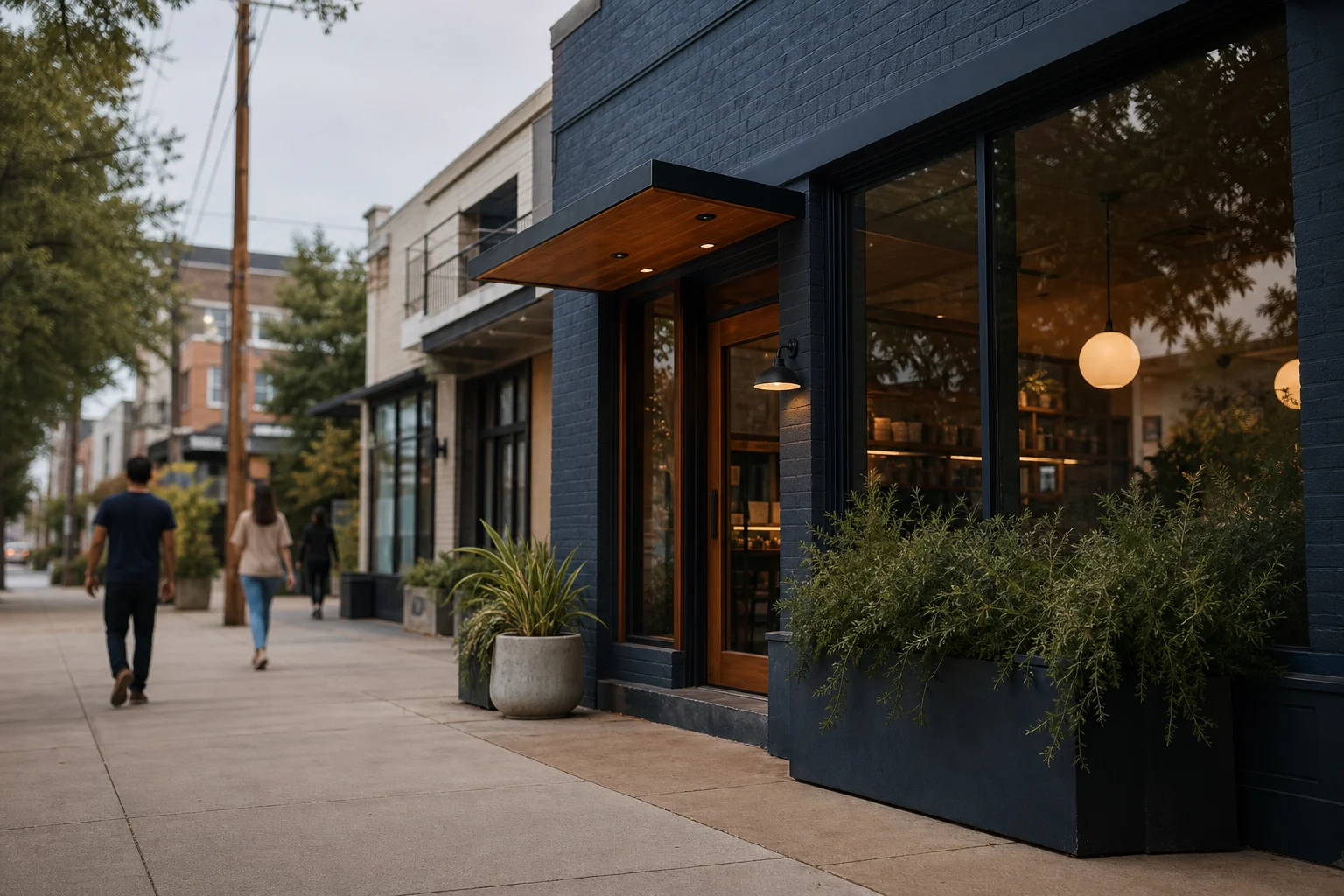
Equipment categories by launch format
Your ice cream shop equipment needs will vary significantly based on your chosen format. A soft-serve operation requires different machinery than a premium gelateria or a shop making fresh batches on-site. Atlanta's market temperature suggests a mixed reception for different formats, with medium competition density indicating opportunities for differentiation through specialized equipment.
Downtown Atlanta scores highest on raw demand — GSU, CNN Center, Centennial Park, and a dense office core drive strong lunch and afternoon foot traffic. This high-demand area justifies investing in more robust equipment to handle peak volume, though rent is near trophy-tier ($90-140/sqft NNN), which is punishing for a medium-budget ice cream concept. Your equipment choices here must balance capacity needs with the high fixed costs of operating in this premium location.
Smyrna / Vinings offers the best rent-to-demand balance of the five areas. Rent sits in the $45-70/sqft NNN range — manageable for a medium-budget operator. The Cold Stone Creamery at Vinings Jubilee (3.9★, 523 reviews) is the only direct competitor, and its middling rating suggests room for a premium independent concept. This area supports a more measured approach to equipment investment, allowing for quality upgrades without excessive financial pressure.
West Midtown / Westside is Atlanta's trendiest F&B corridor — Westside Provisions District, Atlantic Station, and Colony Square draw strong foot traffic from young professionals and tourists. Equipment here should emphasize presentation and customer experience, as this demographic values both quality and Instagram-worthy aesthetics. The trend-conscious nature of this area justifies investing in visually appealing equipment that enhances the customer experience.
Buildout assumptions that change the budget
Buildout assumptions directly impact your equipment budget and choices. In Atlanta's high-rent areas like Downtown, you may need to prioritize compact, multi-functional equipment to maximize limited space. The $90-140/sqft NNN rent level in this area means every square foot must generate revenue, pushing you toward space-efficient equipment solutions.
Smyrna / Vinings offers more flexibility with its $45-70/sqft NNN range, allowing for more generous equipment layouts and potentially higher capacity units. The rent-to-demand balance in this area supports a more spacious approach to equipment placement, which can improve workflow efficiency and customer experience without the same financial pressure as Downtown.
West Midtown / Westside's trendy nature suggests that buildout should emphasize both functionality and aesthetic appeal. Equipment selection here should consider how machines contribute to the overall ambiance while maintaining operational efficiency. The young professional demographic in this area responds well to visible, high-quality equipment that demonstrates your commitment to product quality.
When planning your buildout, consider how equipment placement affects workflow and customer experience. In all three areas, efficient equipment layout can reduce labor costs and improve service speed, which is particularly important in high-foot-traffic locations like Downtown Atlanta.
New vs used equipment tradeoffs
The decision between new and used equipment involves tradeoffs that vary by Atlanta location. In high-rent areas like Downtown, investing in new equipment may provide better reliability and energy efficiency, which can offset some of the higher rent costs through lower operating expenses. The trophy-tier rent level ($90-140/sqft NNN) makes operational efficiency particularly valuable.
Smyrna / Vinings' more moderate rent range ($45-70/sqft NNN) allows for greater flexibility in equipment sourcing. Used equipment can provide significant cost savings here without the same financial pressure as in Downtown. The area's manageable rent levels create room for potential maintenance costs associated with used equipment.
West Midtown / Westside's trend-conscious environment may favor newer equipment that presents well to customers. The young professional demographic in this area values both quality and aesthetics, making new equipment potentially more aligned with market expectations. However, the area's strong foot traffic from Westside Provisions District, Atlantic Station, and Colony Square can justify the investment in newer, more reliable equipment.
Regardless of location, consider the total cost of ownership rather than just purchase price. Energy efficiency, maintenance requirements, and warranty coverage all factor into long-term equipment costs. Atlanta's mixed market temperature suggests that operational efficiency can provide a competitive advantage across all three areas.
What to inspect in a second-generation space
When evaluating a second-generation space in Atlanta, equipment compatibility should be a key consideration. In Downtown's high-rent environment, existing equipment can significantly reduce startup costs, but verify that the equipment meets current health codes and has sufficient capacity for the area's strong foot traffic from GSU, CNN Center, Centennial Park, and the dense office core.
Smyrna / Vinings offers opportunities to leverage existing equipment while maintaining budget flexibility. The area's $45-70/sqft NNN rent range makes equipment replacement more feasible if needed. When inspecting spaces here, consider how existing equipment aligns with the area's competitive landscape, particularly the Cold Stone Creamery at Vinings Jubilee (3.9★, 523 reviews).
In West Midtown / Westside, evaluate whether existing equipment supports the trend-focused customer experience. The area's appeal to young professionals and tourists means that equipment should present well while maintaining functionality. Spaces near Westside Provisions District, Atlantic Station, and Colony Square may have equipment that needs aesthetic updates to match the area's trendy vibe.
Regardless of location, inspect electrical and plumbing systems to ensure they support your equipment requirements. Atlanta's building codes may impose specific requirements for ice cream shop equipment, particularly those involving refrigeration and sanitation. The 75% score confidence in Locavisor's data suggests that verifying local requirements is essential before committing to a space.
FAQ
What equipment do I need for An Ice Cream Shop in Atlanta?
Your ice cream shop equipment needs will vary based on your specific concept and location within Atlanta. Core equipment categories typically include refrigeration units (reach-in freezers, display cases), ice cream machines (batch freezers, soft-serve machines), preparation equipment (mixers, pasteurizers), serving equipment (dipper wells, scoops), and point-of-sale systems.
In Downtown Atlanta's high-rent environment ($90-140/sqft NNN), you'll need compact, efficient equipment to maximize limited space while handling strong foot traffic from GSU, CNN Center, Centennial Park, and the dense office core. Smyrna / Vinings ($45-70/sqft NNN) allows for more flexibility in equipment selection, with opportunity to differentiate from the Cold Stone Creamery at Vinings Jubilee (3.9★, 523 reviews). West Midtown / Westside's trend-conscious market near Westside Provisions District, Atlantic Station, and Colony Square favors equipment that balances functionality with aesthetic appeal.
Regardless of location, prioritize equipment that meets health department requirements, offers energy efficiency to control operating costs, and provides the capacity needed to serve your target customers. Atlanta's mixed market temperature suggests that equipment reliability and efficiency can provide competitive advantages across all three areas.
Last reviewed: 2026-05-08
Sources: U.S. Census Bureau ACS, LEHD LODES, Google Places, OpenStreetMap, Locavisor neighborhood scoring.
Methodology: Locavisor scores neighborhoods across demand, competition fit, rent fit, accessibility, and customer match. Scores reflect a snapshot of recent data and should be combined with on-the-ground research before lease decisions.
Disclaimer: This article provides informational content only and does not constitute legal, financial, accounting, or real-estate advice. Verify lease terms, licensing, local regulations, costs, and professional requirements with qualified local professionals before making business decisions.
Free preview shows top 3 neighborhoods. Full $9.99 report covers all 10 areas with personalized scoring + 90-day check-ins.
Informational only. Verify lease, licensing, local regulations, costs, and professional requirements with qualified local professionals.