Austin, TX · ice cream shop
Ice cream shop equipment costs Austin
Planning an ice cream shop in Austin requires careful consideration of equipment costs and buildout requirements. The ice cream shop equipment costs Austin market presents unique opportunities and challenges depending on your chosen location. Before investing in equipment, understanding the local market dynamics and how they impact your budget is essential.
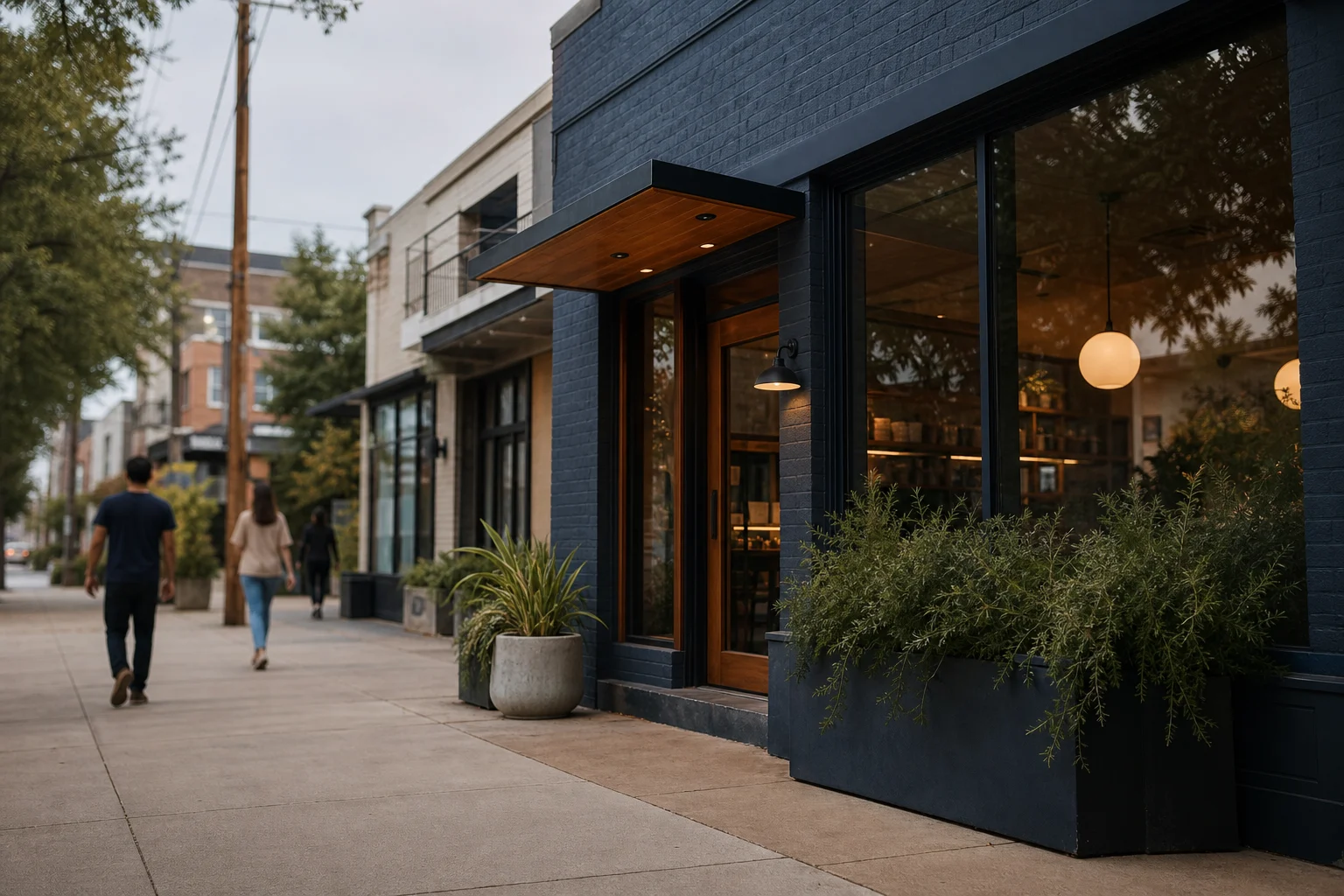
Equipment categories by launch format
When planning your ice cream shop in Austin, equipment needs vary significantly based on your chosen format. A full-service shop with seating requires different equipment than a take-only kiosk or a seasonal cart operation. Each format comes with distinct equipment requirements that impact your initial investment.
For a traditional ice cream shop with indoor seating, you'll need commercial-grade freezers, display cases, preparation surfaces, and point-of-sale systems. These establishments typically require more square footage, which increases equipment needs but also allows for higher customer capacity and potential revenue streams.
Mobile or seasonal operations have different equipment considerations. A food truck or cart requires compact, mobile equipment that can withstand transportation while maintaining proper temperature control. These formats generally have lower equipment costs but may limit your menu options and customer experience.
Buildout assumptions that change the budget
Buildout requirements significantly impact your ice cream shop budget in Austin. The Domain / North Austin area presents a mixed market temperature with medium competition density and low rent levels, making it an attractive option for new ice cream entrepreneurs. However, buildout costs can vary dramatically based on the condition of your space.
New construction spaces typically require more extensive buildout, including plumbing for sinks and cleaning stations, electrical work for commercial equipment, and installation of ventilation systems. These spaces offer a blank canvas but come with higher initial investment requirements.
Second-generation spaces often have existing infrastructure that can be adapted for ice cream operations. These spaces may already have plumbing rough-ins, electrical capacity, or even some equipment in place. While renovation costs may be lower, you'll need to carefully evaluate whether existing infrastructure meets commercial food service requirements.
The Crestview / Brentwood area offers roughly $45-70/sqft NNN rent, which is on the higher side for a medium budget. This price point influences your buildout decisions, as higher rent may necessitate a more streamlined approach to equipment purchases and space utilization.
New vs used equipment tradeoffs
Choosing between new and used equipment represents a critical decision point for your ice cream shop startup. New equipment offers the advantage of warranties, energy efficiency, and compliance with current health codes. However, the initial investment is significantly higher than purchasing used equipment.
Used equipment can provide substantial cost savings, sometimes 40-60% less than new purchases. This option allows you to allocate more budget to other startup expenses like marketing or inventory. The tradeoff comes with increased maintenance risks and potentially higher energy consumption.
The Mueller area, with its strong family and young-professional density, presents an opportunity for ice cream shops. However, the premium rent of roughly $45-70/sqft NNN means equipment decisions must balance quality with cost-effectiveness. In this market, used equipment might help maintain profitability while still providing quality service.
When evaluating used equipment, prioritize items with documented maintenance history and from reputable brands. Commercial ice cream freezers and batch freezers represent significant investments, so quality should remain a priority even when seeking cost savings.
What to inspect in a second-generation space
When considering a second-generation space for your ice cream shop, thorough inspection of existing infrastructure is crucial. The Domain / North Austin area already hosts Jeni's Splendid Ice Creams (4.5★, 754 reviews) and Mylo's Creamery (5★, 6 reviews), indicating that existing spaces may have been configured for similar operations.
Inspect the electrical system to ensure it can handle commercial ice cream equipment demands. Multiple freezers, batch freezers, and pasteurizers require significant power. An inadequate electrical system could necessitate expensive upgrades before opening.
Plumbing infrastructure requires special attention for ice cream shops. You'll need dedicated sinks for equipment cleaning, potentially a three-compartment sink, and proper drainage for floors. Check water pressure and drainage capabilities to avoid operational issues.
Ventilation systems must be evaluated for adequacy. Ice cream production generates heat and moisture, requiring proper ventilation to maintain comfortable working conditions and prevent equipment overheating. Existing hoods or ventilation may need modification to meet your specific needs.
The Crestview / Brentwood area has no direct ice-cream competitors detected, which presents both opportunity and challenge. When inspecting spaces in this area, consider whether the existing infrastructure supports the type of ice cream business you envision, given the potential lack of foot-traffic density for impulse-driven ice cream.
FAQ
What equipment do I need for An Ice Cream Shop in Austin?
The essential equipment for an ice cream shop in Austin includes commercial freezers for storage and display, batch freezers for making ice cream to order, pasteurizers for preparing mixtures, dipping cabinets for serving, and point-of-sale systems. Additional equipment may include prep tables, sinks, storage shelving, and seating furniture depending on your shop format and size. The specific equipment needs will vary based on whether you're planning a full-service shop with seating, a take-only counter, or a mobile operation. Your location within Austin also influences equipment requirements, with different areas presenting unique operational considerations.
Last reviewed: 2026-05-08
Sources: U.S. Census Bureau ACS, LEHD LODES, Google Places, OpenStreetMap, Locavisor neighborhood scoring.
Methodology: Locavisor scores neighborhoods across demand, competition fit, rent fit, accessibility, and customer match. Scores reflect a snapshot of recent data and should be combined with on-the-ground research before lease decisions.
Disclaimer: This article provides informational content only and does not constitute legal, financial, accounting, or real-estate advice. Verify lease terms, licensing, local regulations, costs, and professional requirements with qualified local professionals before making business decisions.
Free preview shows top 3 neighborhoods. Full $9.99 report covers all 10 areas with personalized scoring + 90-day check-ins.
Informational only. Verify lease, licensing, local regulations, costs, and professional requirements with qualified local professionals.