Boston, MA · ice cream shop
Ice cream shop equipment costs Boston
Opening an ice cream shop in Boston requires careful planning, especially when it comes to equipment and buildout costs. The city's competitive market and high rent bands mean every dollar spent on equipment and construction needs to be strategically allocated. Boston's diverse neighborhoods offer different opportunities and challenges for ice cream shop owners, with varying rent structures and customer demographics that directly impact equipment needs and operational efficiency. Understanding the specific equipment requirements and buildout considerations for your chosen location is crucial for a successful launch.
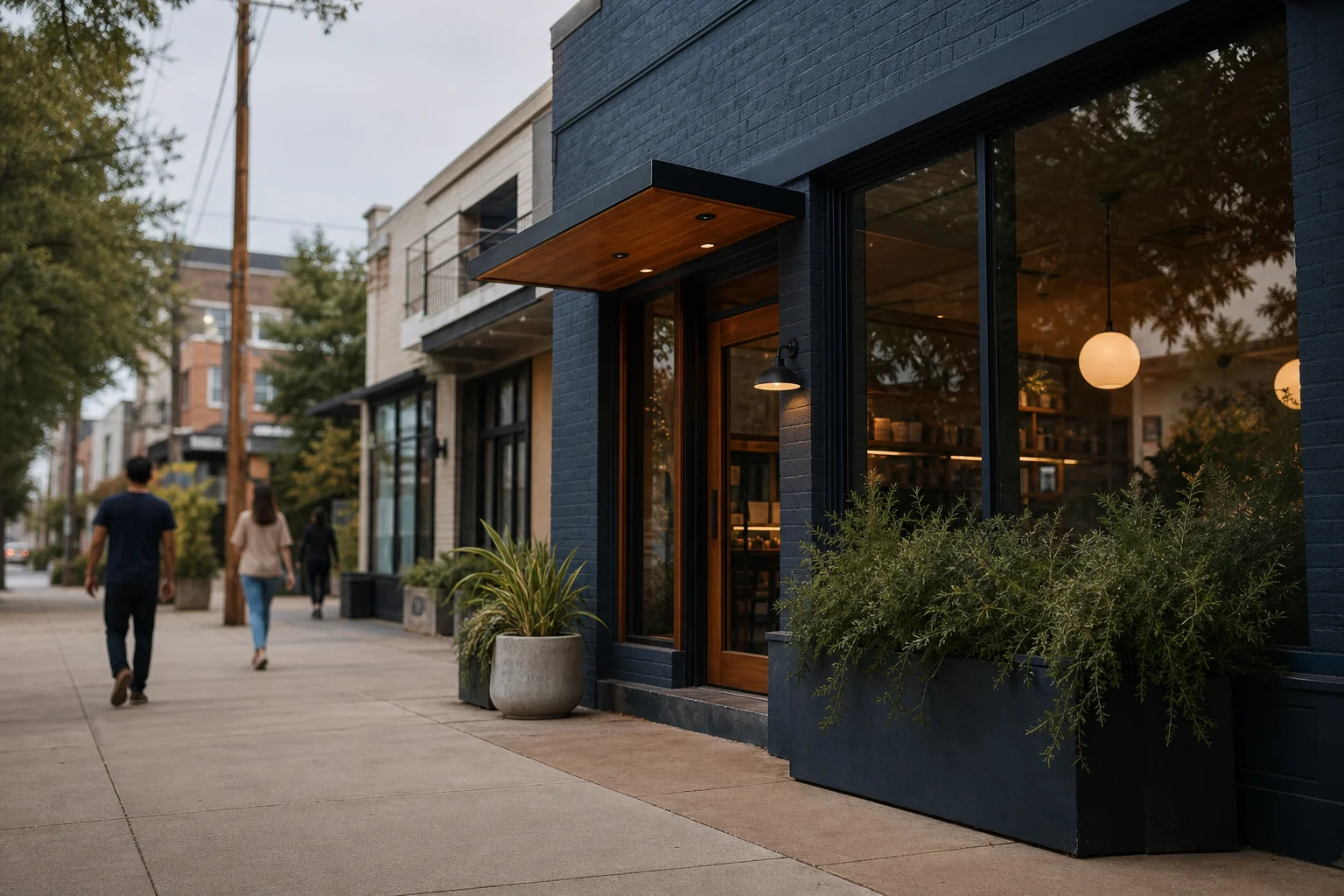
What equipment do you need to open a ice cream shop in Boston?
The core equipment for an ice cream shop typically includes display freezers, soft-serve machines, batch freezers, dipping cabinets, and storage freezers. However, Boston's specific market demands additional considerations. The city's seasonal weather patterns mean you'll need equipment that can handle both peak summer demand and slower winter months. You'll also need to consider the type of ice cream you plan to serve - traditional hard ice cream, gelato, or frozen yogurt - as each requires specialized equipment.
In Boston's Back Bay neighborhood, where rent bands reach $150/sqft/yr NNN, space efficiency becomes paramount. Operators like Amorino Gelato and Van Leeuwen Ice Cream have optimized their layouts to maximize customer experience while minimizing equipment footprint. These successful businesses demonstrate how strategic equipment placement can enhance both operational flow and customer engagement in premium locations.
For neighborhoods like Quincy Center/North Quincy with rent bands of $26-$150/sqft/yr NNN, you might have more flexibility in equipment selection but still need to balance cost with quality. The presence of North Quincy Plaza and North Quincy High School creates demand for both quick-service options and higher-end treats, potentially requiring a mix of equipment types to serve different customer segments.
Buildout cost categories
Plumbing and electrical
Boston's building codes and historic structures often present unique plumbing and electrical challenges for ice cream shop buildouts. Many older buildings in neighborhoods like Beacon Hill require updated systems to accommodate commercial kitchen equipment. The electrical needs for ice cream machines, freezers, and display cases can be substantial, especially in locations with high foot traffic like Assembly Row in Somerville.
When planning your electrical system, consider the specific power requirements of each piece of equipment. Ice cream machines, particularly batch freezers, often need dedicated circuits. In Cambridge's Kendall Square area, where rent is $85/sqft/yr NNN, proximity to MIT means you'll need to meet both city codes and potentially more stringent university area requirements.
HVAC and ventilation
Proper ventilation is critical for ice cream shops, particularly those serving multiple flavors or using soft-serve machines. Boston's variable climate means your HVAC system must handle both cooling the shop during summer months and maintaining appropriate temperatures for ice cream storage year-round. The Back Bay's premium location demands a system that operates quietly to maintain the upscale atmosphere that establishments like Ben & Jerry's have cultivated.
Ventilation requirements vary by neighborhood based on local ordinances and building age. In Beacon Hill, where Venchi Chocolate & Gelato operates, historic preservation guidelines may influence your HVAC choices. Always consult with a professional to ensure compliance with both city regulations and your specific equipment needs.
Flooring and finishes
Flooring in an ice cream shop must be durable, slip-resistant, and easy to clean - essential considerations in a city where winter weather brings in moisture and salt. Boston's neighborhoods present different flooring challenges: Back Bay's high foot traffic versus Quincy Center's more varied customer base. The right flooring choice impacts both safety and maintenance costs over time.
Finishes should also consider Boston's climate - materials that can withstand temperature fluctuations and potential humidity issues. In neighborhoods like Assembly Row, where The Assembly Row mall generates significant foot traffic, durable finishes that maintain appearance despite heavy use become particularly important.
Permits-driven items
Boston's permitting process for food establishments involves multiple agencies and inspections. Your buildout must accommodate health department requirements for food preparation areas, display cases, and storage. The city's specific regulations may affect equipment placement, especially regarding accessibility and emergency exits.
Permit costs and timelines vary by neighborhood. In premium areas like Back Bay, expect more stringent requirements and potentially longer approval processes. Always factor permitting timelines into your overall buildout schedule, as delays here can impact your opening date and initial revenue.
Furniture and signage
Furniture selection impacts both customer experience and operational efficiency. In Boston's competitive market, your seating and display furniture contribute to your brand identity. The city's diverse neighborhoods mean different aesthetic approaches may be appropriate - from the historic charm of Beacon Hill to the modern vibe of Kendall Square.
Signage requirements in Boston include compliance with both city ordinances and neighborhood guidelines. In historic districts like Beacon Hill, signage may be more restricted, while areas like Assembly Row offer more flexibility. Your signage strategy should align with your equipment layout and customer flow.
Equipment line items to validate in Boston
When planning your equipment purchases, consider Boston-specific factors that may not apply in other markets. The city's seasonal tourism means you may need equipment that can handle higher volume during summer months. Additionally, Boston's educated customer base may expect certain quality standards that influence equipment choices.
Display cases are a critical equipment decision. In high-rent areas like Back Bay ($150/sqft/yr NNN), you'll want efficient, attractive displays that maximize product visibility while minimizing floor space. Operators like Amorino Gelato have mastered this balance, using elegant displays that enhance the customer experience without overwhelming the space.
Storage solutions require careful consideration in Boston's smaller commercial spaces. Freezer capacity must accommodate inventory needs while fitting within your layout constraints. The city's delivery logistics may also influence storage requirements, particularly if you source ingredients locally.
How established operators in Boston configure their kitchens
Studying successful ice cream shops in Boston provides valuable insights into equipment configuration. Venchi Chocolate & Gelato in Beacon Hill and Amorino Gelato in Back Bay demonstrate different approaches to kitchen layout that reflect their respective neighborhood dynamics.
Venchi Chocolate & Gelato, with its 4.8-star rating, likely optimized for both gelato production and customer experience in a historic setting. Their equipment configuration probably balances traditional Italian gelato-making techniques with efficient service for Beacon Hill's discerning customers. The presence of Prudential Center and Faneuil Hall Marketplace nearby means they must handle both tourist and local demand effectively.
Amorino Gelato's Newbury Street location represents a different approach, with a focus on high-volume, visually appealing service. Their 4.5-star rating with nearly 2,000 reviews suggests a well-executed equipment layout that supports quick service and attractive presentation. In Back Bay's competitive market, their configuration likely prioritizes speed and visual appeal to stand out among established brands like Ben & Jerry's.
Cold Stone Creamery's presence in Back Bay, despite a lower 3.7-star rating, indicates that equipment choices must align with brand positioning. Their mix-in concept requires specific equipment and layout considerations that differ from traditional scoop shops.
Used vs. new vs. lease
Equipment decisions in Boston's market require careful financial modeling. The city's high rent bands mean that equipment costs must be weighed against space efficiency and long-term reliability. Used equipment can reduce initial capital outlay but may come with higher maintenance costs - a critical consideration in a market where service quality directly impacts customer reviews.
Leasing equipment offers flexibility, particularly important in Boston's dynamic market. Neighborhoods like Cambridge's Kendall Square, with its $85/sqft/yr NNN rent band, may benefit from leasing options that preserve capital for other buildout expenses. However, leasing terms should be evaluated against the expected lifespan of the equipment and your long-term business plans.
New equipment provides reliability and often energy efficiency benefits, which can be significant in Boston's climate-controlled spaces. The trade-off is higher upfront costs, which may be justified in premium locations where equipment failure could significantly impact revenue.
Buildout timeline
Boston's permitting process and contractor availability can impact your buildout timeline significantly. Neighborhoods with more historic preservation requirements, like Beacon Hill, may have longer approval processes. In contrast, areas like Assembly Row in Somerville might offer more streamlined processes but still require coordination with mall management.
Seasonal considerations are particularly important in Boston. Starting your buildout in fall or winter can provide more flexibility for contractors and potentially lower costs, but you'll need to ensure your shop is ready for the critical summer season. The city's tourism peaks during summer months, making timely completion essential for revenue generation.
Coordination between equipment delivery, installation, and final inspections requires careful planning. Boston's urban environment means delivery logistics must be considered, particularly for larger equipment pieces. Always build buffer time into your schedule for unexpected delays.
Common buildout overruns
Boston-specific challenges often lead to buildout cost overruns. Historic building modifications, particularly in neighborhoods like Beacon Hill, can uncover unexpected structural issues that require additional work. The city's strict building codes, while ensuring safety, can also add complexity and cost to your project.
Equipment installation challenges are common, especially when integrating new systems with existing building infrastructure. Boston's varied building ages mean you may encounter outdated electrical or plumbing systems that need upgrading to meet current codes and equipment requirements.
Permitting delays are a frequent issue in Boston's competitive market. The city's demand for commercial space means inspectors may have heavy workloads, potentially extending your timeline. Building relationships with local officials and planning for extra time in your schedule can help mitigate these risks.
| Buildout Challenge | Boston-Specific Factor | Mitigation Strategy |
|---|---|---|
| Historic building modifications | Older structures in Beacon Hill, Back Bay | Conduct thorough pre-construction inspections |
| Equipment integration | Varied building infrastructure across neighborhoods | Hire experienced contractors familiar with Boston buildings |
| Permitting delays | High demand for commercial space | Build buffer time into schedule, establish early relationships with officials |
| Seasonal weather impacts | Boston's harsh winters | Schedule critical work during milder months |
| Utility connection costs | High demand in premium areas | Budget for potential upgrades, especially in Back Bay |
| Neighborhood | Locavisor score | Rent band | Local operator signal | Founder validation check |
|---|---|---|---|---|
| Quincy Center / North Quincy | 6.3/10 | $26-$150/sqft/yr NNN | No direct operator listed | Check utility capacity, ventilation, plumbing, storage, and fixture layout. |
| Beacon Hill | 6.1/10 | $26-$150/sqft/yr NNN | SKY ice cream truck, Venchi Chocolate & Gelato Boston | Check utility capacity, ventilation, plumbing, storage, and fixture layout. |
| Assembly Row (Somerville) | 6.0/10 | $26-$150/sqft/yr NNN | No direct operator listed | Check utility capacity, ventilation, plumbing, storage, and fixture layout. |
| Cambridge (Kendall Square / MIT) | 5.8/10 | $85/sqft/yr NNN | No direct operator listed | Check utility capacity, ventilation, plumbing, storage, and fixture layout. |
| Back Bay | 5.8/10 | $150/sqft/yr NNN | Amorino Gelato - Boston Newbury Street, Van Leeuwen Ice Cream | Check utility capacity, ventilation, plumbing, storage, and fixture layout. |
FAQ
What are the most critical equipment decisions for a Boston ice cream shop?
The most critical equipment decisions in Boston revolve around display cases, storage solutions, and production equipment that align with your target neighborhood's customer expectations. In premium locations like Back Bay ($150/sqft/yr NNN), efficient, attractive displays that maximize product visibility while minimizing space are essential. Storage solutions must balance capacity with the constraints of smaller commercial spaces common in Boston's dense urban areas. Production equipment should match your flavor profile - whether traditional hard ice cream, gelato, or frozen yogurt - and consider Boston's seasonal demand patterns.
How do Boston's different neighborhoods impact equipment needs?
Boston's neighborhoods present distinct equipment requirements based on rent structures, customer demographics, and local competition. In high-rent areas like Back Bay ($150/sqft/yr NNN), space efficiency becomes paramount, requiring compact, multi-functional equipment. Neighborhoods like Quincy Center/North Quincy with more moderate rent bands ($26-$150/sqft/yr NNN) allow for more flexibility but still require equipment that serves diverse customer segments. The presence of universities in areas like Cambridge's Kendall Square may demand equipment that can handle both high volume and specific dietary preferences.
What permits are required for ice cream shop equipment installation in Boston?
Boston requires several permits for ice cream shop equipment installation, including health department approvals for food preparation areas and display cases. Electrical permits are necessary for equipment hookups, particularly for ice cream machines and freezers. Building permits may be required for structural modifications to accommodate equipment. The specific permits needed depend on your location and the extent of buildout, with historic districts like Beacon Hill potentially requiring additional approvals. Always consult with Boston's Inspectional Services Department and your local board of health to ensure compliance.
Last reviewed: 2026-05-30
Sources: U.S. Census Bureau ACS, LEHD LODES, Google Places, OpenStreetMap, Locavisor neighborhood scoring.
Methodology: Locavisor scores neighborhoods across demand, competition fit, rent fit, accessibility, and customer match. Scores reflect a snapshot of recent data and should be combined with on-the-ground research before lease decisions.
Disclaimer: This article provides informational content only and does not constitute legal, financial, accounting, or real-estate advice. Verify lease terms, licensing, local regulations, costs, and professional requirements with qualified local professionals before making business decisions.
Free preview shows top 3 neighborhoods. Full $9.99 report covers all 10 areas with personalized scoring + 90-day check-ins.
Informational only. Verify lease, licensing, local regulations, costs, and professional requirements with qualified local professionals.