Columbus, OH · ice cream shop
Ice cream shop equipment costs Columbus
Planning your ice cream shop equipment costs in Columbus requires understanding how equipment needs vary by neighborhood and business format. The right equipment choices depend on your location, concept, and budget constraints. Columbus offers distinct neighborhoods with different market characteristics that impact equipment planning and buildout requirements.
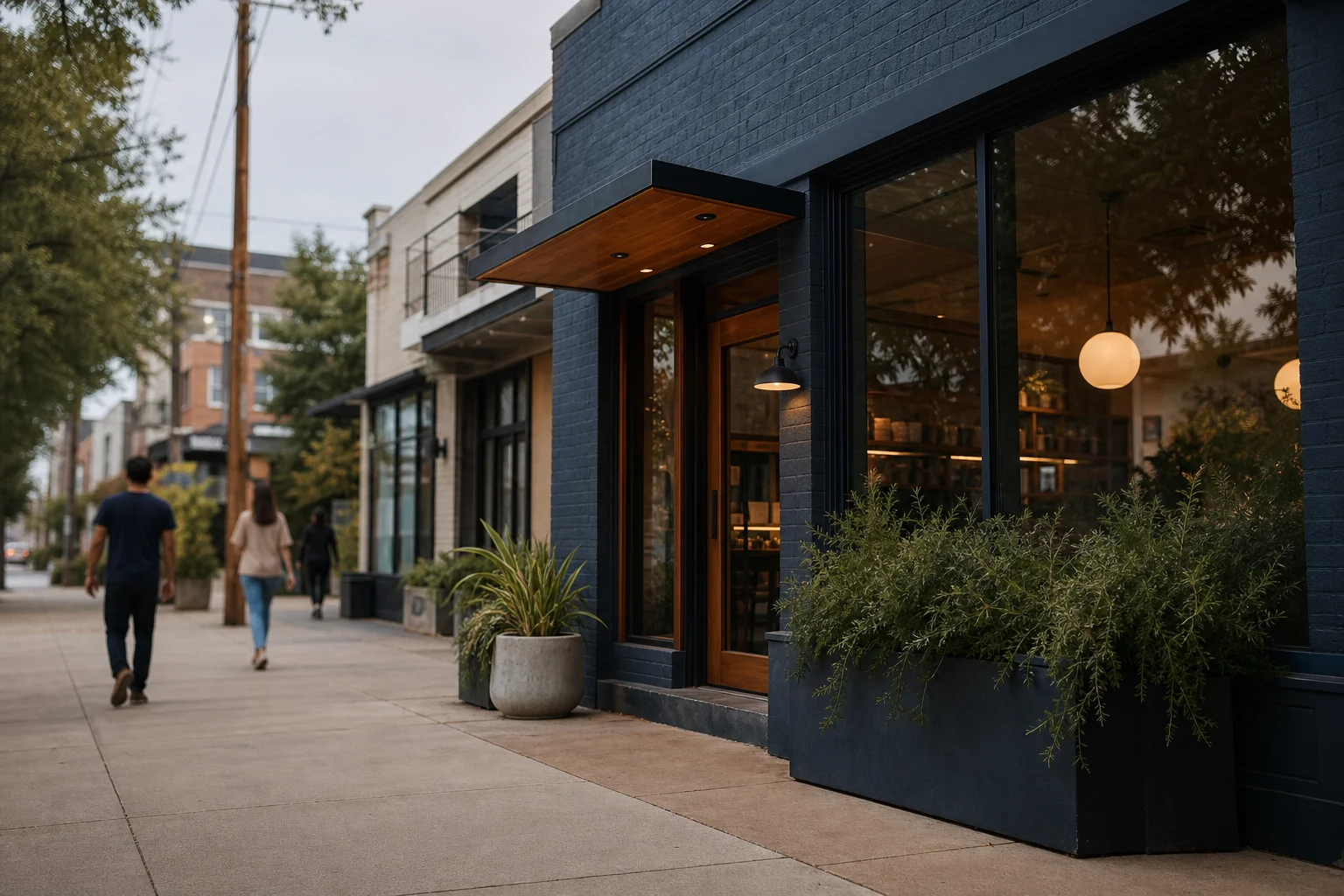
Equipment categories by launch format
Ice cream shop equipment needs vary significantly based on your operational format. A takeout-first concept like the one positioned for Easton requires different equipment than a full-service shop with seating areas. Your equipment categories will generally fall into refrigeration, preparation, serving, and support systems.
Refrigeration represents your largest equipment investment. For a takeout-focused operation, you'll need commercial freezers for storage, display freezers for customer visibility, and potentially soft-serve machines if offering that option. The Easton location, with its high office-worker density and proven retail foot traffic, would benefit from efficient refrigeration that minimizes customer wait times during peak hours.
Preparation equipment includes pasteurizers, homogenizers, and aging tanks if making ice cream on-site. Many Columbus shops opt for pre-made mix to reduce initial equipment costs and complexity. Serving equipment encompasses dipping cabinets, POS systems, and serving utensils. The competition density in Columbus neighborhoods affects how sophisticated your serving equipment needs to be to differentiate your offering.
Support systems include plumbing, electrical, and ventilation requirements. These often represent hidden costs that impact your overall equipment budget. The rent level in your chosen Columbus neighborhood influences how much you can invest in visible versus support equipment.
Buildout assumptions that change the budget
Buildout assumptions significantly impact your equipment budget planning. The market temperature in Columbus is mixed, meaning equipment decisions should balance initial investment with operational flexibility. Your buildout approach—whether new construction, renovation, or tenant improvement—determines how much equipment you can install versus what the space already provides.
In Easton, with its medium rent level, you might find spaces with some existing infrastructure that reduces equipment needs. The area's strong walkability and office density suggest investing in equipment that maximizes throughput during peak hours. The existing Jeni's and Graeter's locations indicate customers expect quality equipment that delivers consistent product.
Bexley offers the most affordable rent among the top areas at $30-50/sqft NNN. This lower rent level might allow for more equipment investment or higher-quality equipment choices. The absence of existing ice cream competitors in Bexley presents both opportunity and risk—equipment choices should support a unique value proposition since you won't have established competitors to benchmark against.
The Discovery District's daytime population density and transit access suggest equipment that can handle high-volume periods. With no direct ice cream competitors in the area, your equipment should support a concept that leverages the cultural institutions like the Columbus Museum of Art and nearby universities. The proximity to existing Jeni's in downtown (510m away) means equipment quality should match or exceed that competitor's standards.
New vs used equipment tradeoffs
New equipment offers reliability, warranty protection, and energy efficiency but comes with higher upfront costs. Used equipment reduces initial investment but may require more maintenance and lack warranty coverage. The competition density in Columbus neighborhoods influences whether new equipment provides a competitive advantage or if used equipment suffices.
In Easton's competitive environment with established players like Jeni's and Graeter's, new equipment might help differentiate your offering and ensure product consistency. The area's proven retail foot traffic justifies investing in equipment that minimizes downtime and maximizes efficiency during busy periods.
Bexley's lack of ice cream competitors presents an opportunity to use budget strategically. With lower rent levels, you might allocate more to new equipment to establish quality benchmarks in the market. The residential-anchored nature of Bexley suggests equipment that supports consistent quality to build neighborhood loyalty.
The Discovery District's daytime population density favors reliable equipment that can handle high-volume periods. The absence of direct competitors means your equipment choices should support a concept that leverages the cultural and educational institutions in the area. New equipment might provide the reliability needed to serve the diverse customer base during peak hours.
What to inspect in a second-generation space
When considering a second-generation space for your ice cream shop, specific inspections can reveal equipment needs and potential cost savings. The Top 3 Columbus neighborhoods each present different considerations based on their characteristics.
In Easton, inspect existing refrigeration infrastructure to determine compatibility with your needs. The area's strong walkability and office density mean equipment positioning should maximize customer flow. Verify that existing electrical systems can support your refrigeration and freezing requirements without costly upgrades.
Bexley's more affordable spaces may require more extensive equipment evaluation. The residential-anchored nature suggests equipment that supports consistent quality for neighborhood regulars. Inspect existing plumbing for ice cream machine compatibility and verify that electrical systems can support your refrigeration needs without overloading circuits.
The Discovery District's cultural corridor location demands equipment that can handle diverse customer expectations. Inspect existing facilities for compatibility with high-volume operations during peak periods. The proximity to multiple universities means equipment should maintain consistent performance despite varying demand patterns throughout the day.
Before signing any lease in these Columbus neighborhoods, validate that equipment footprints align with your concept and that utility costs align with your budget projections. The market temperature being mixed suggests flexibility in equipment planning to adapt to changing conditions.
FAQ
What equipment do I need for An Ice Cream Shop in Columbus?
Essential equipment for an ice cream shop in Columbus includes refrigeration units (storage freezers, display freezers), preparation equipment (pasteurizers, mixers), serving equipment (dipping cabinets, POS systems), and support systems (plumbing, electrical). Your specific needs depend on your concept format, location within Columbus, and whether you'll make ice cream on-site or use pre-made mix.
How does Columbus neighborhood choice affect equipment needs?
Different Columbus neighborhoods present varying equipment requirements based on their characteristics. Easton's high foot traffic and competition density favor efficient, high-throughput equipment. Bexley's residential nature and lack of competitors allow for more equipment flexibility. The Discovery District's daytime population density requires reliable equipment that can handle varying demand patterns.
Should I buy new or used equipment for my Columbus ice cream shop?
New equipment offers reliability and warranty protection but comes with higher upfront costs. Used equipment reduces initial investment but may require more maintenance. Your choice should consider your budget, the competitive landscape in your chosen Columbus neighborhood, and your long-term business goals.
What buildout factors impact equipment costs in Columbus?
Buildout factors that impact equipment costs include existing infrastructure, utility capacity, space layout, and local regulations. Columbus neighborhoods with higher rent levels like Easton may have more existing infrastructure that reduces equipment needs. Lower rent areas like Bexley might require more extensive equipment investment but offer more budget flexibility.
How does competition density affect equipment planning in Columbus?
Higher competition density areas like Easton require equipment that differentiates your offering and ensures product consistency. Areas with less competition like Bexley and the Discovery District allow for more equipment flexibility but require equipment that establishes quality benchmarks in the market. Your equipment choices should align with competitive expectations in your specific Columbus neighborhood.
Last reviewed: 2026-05-08
Sources: U.S. Census Bureau ACS, LEHD LODES, Google Places, OpenStreetMap, Locavisor neighborhood scoring.
Methodology: Locavisor scores neighborhoods across demand, competition fit, rent fit, accessibility, and customer match. Scores reflect a snapshot of recent data and should be combined with on-the-ground research before lease decisions.
Disclaimer: This article provides informational content only and does not constitute legal, financial, accounting, or real-estate advice. Verify lease terms, licensing, local regulations, costs, and professional requirements with qualified local professionals before making business decisions.
Free preview shows top 3 neighborhoods. Full $9.99 report covers all 10 areas with personalized scoring + 90-day check-ins.
Informational only. Verify lease, licensing, local regulations, costs, and professional requirements with qualified local professionals.