Denver, CO · ice cream shop
Ice cream shop equipment costs Denver
Planning an ice cream shop in Denver requires careful consideration of equipment costs and buildout needs. The ice cream shop equipment costs Denver market presents unique opportunities and challenges depending on your chosen location. Denver's vibrant food scene and tourism make it an attractive market, but competition density and rent levels vary significantly across neighborhoods. Understanding these factors is crucial for planning your equipment investment and overall budget.
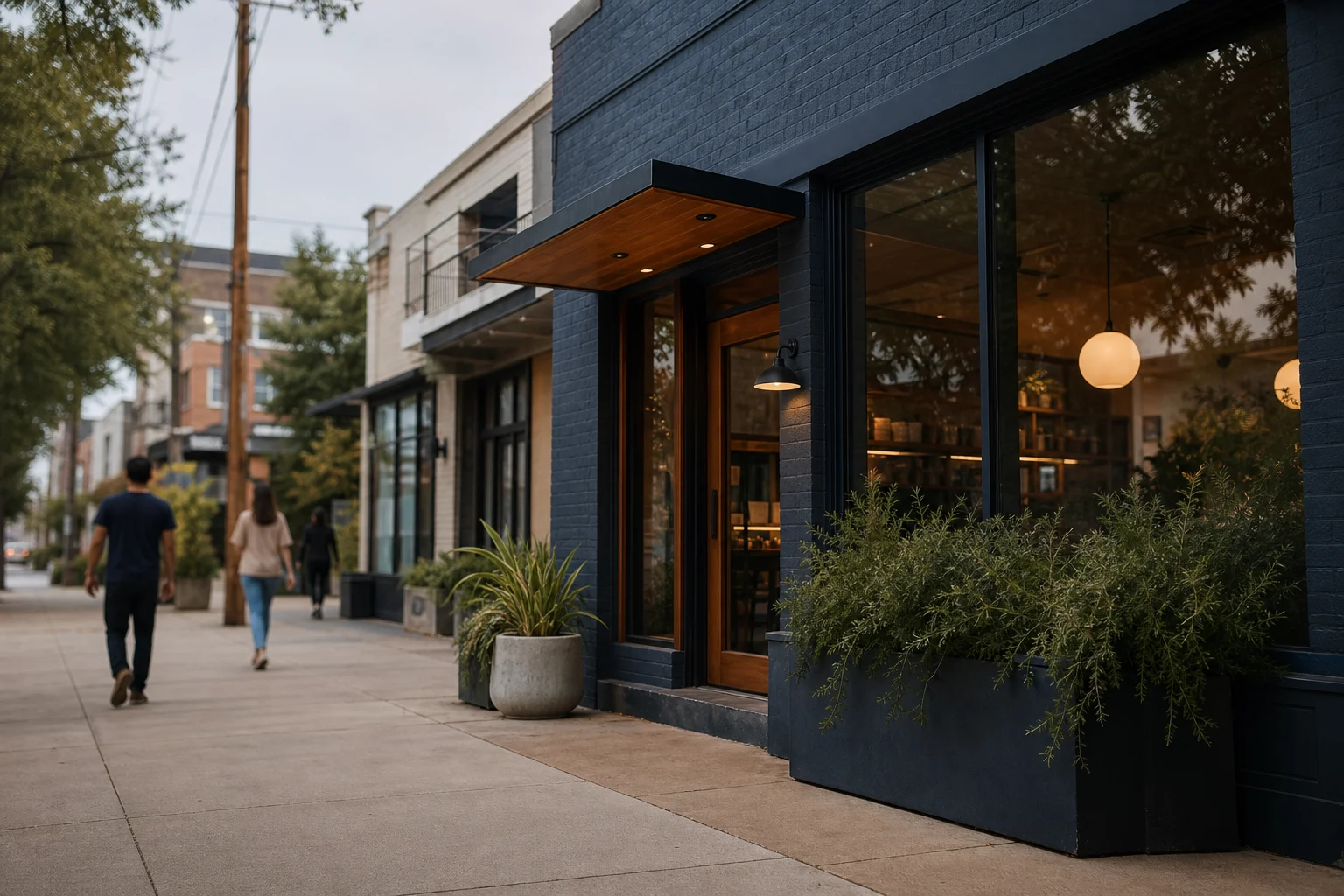
Equipment categories by launch format
Your ice cream shop equipment needs will vary based on your chosen format. A full-service shop with seating requires different equipment than a counter-service operation. Denver's market temperature is promising, with medium competition density across the top neighborhoods. This means you'll need to differentiate your offering through both product quality and operational efficiency.
Core equipment categories include refrigeration units, freezing machines, display cases, preparation surfaces, and POS systems. Each category has multiple options that affect your budget. For example, a batch freezer for making ice cream in-house costs more than purchasing pre-made product, but offers greater menu flexibility. Denver's tourist-heavy areas like LoDo may justify higher equipment investment for premium presentation, while neighborhoods with more residential traffic might prioritize efficiency and throughput.
Storage equipment represents another major cost center. Walk-in coolers and freezers are essential but represent significant upfront investment. Denver's rent level is noted as low in the top neighborhoods, which might offset some equipment costs through lower overhead. However, space constraints in areas like LoDo could limit your storage capacity, requiring more efficient equipment layouts.
Buildout assumptions that change the budget
Buildout requirements significantly impact your equipment budget. The condition of your space determines how much renovation is needed before equipment installation. Denver's top neighborhoods offer different buildout scenarios based on their commercial real estate characteristics.
LoDo (Lower Downtown) (7.4/10) presents a promising market with proven ice cream demand but crowded competition. Rent runs roughly $30-50/sqft NNN in this area. The high foot traffic from Union Station, Coors Field, Larimer Square, and 16th Street Mall justifies premium presentation equipment. However, existing infrastructure in these commercial spaces may reduce some buildout costs, though historic buildings often require specialized modifications.
RiNo (River North Art District) (7.0/10) offers a creative-class environment with strong walkability and evening foot traffic from bars, galleries, and events. Rent matches LoDo at roughly $30-50/sqft NNN. This neighborhood's industrial-chic aesthetic might influence your equipment choices, favoring vintage-inspired or artisanal equipment that complements the area's character. The single dedicated ice-cream competitor (Heaven Creamery RiNo, 4.4★, 414 reviews) suggests you'll need distinctive equipment to stand out.
Five Points (6.9/10) blends historic character with new residential and office growth along Welton Street. With only one ice-cream competitor nearby (High Point Creamery at Denver Central Market, 4.5★, 266 reviews) but no dedicated ice-cream shop in the core, this neighborhood presents an opportunity. The residential base above-average suggests equipment that supports both high-volume peak periods and consistent neighborhood traffic.
New vs used equipment tradeoffs
The decision between new and used equipment affects your budget timeline and operational risk. Denver's market temperature is promising, making it potentially worthwhile to invest in new equipment that maximizes efficiency and reliability. However, the medium competition density across neighborhoods means you might need to balance quality with cost considerations.
New equipment offers warranty protection, energy efficiency, and the latest technology. In Denver's tourist-heavy areas like LoDo, modern equipment can enhance your brand image and support higher price points. The five existing ice-cream shops within a half-mile, including Van Leeuwen (4.6★, 427 reviews) and Milkbox Ice Creamery (4.1★, 487 reviews), set a high standard for equipment quality and presentation.
Used equipment reduces upfront costs but carries higher maintenance risks. In neighborhoods like RiNo with strong evening scenes, reliable used equipment might be sufficient to handle the traffic while keeping initial investment lower. The walkability in all three top neighborhoods means consistent foot traffic that used equipment can handle, provided it's well-maintained.
Consider the equipment lifespan when making this decision. Denver's seasonal climate means your equipment will experience varying usage patterns throughout the year. New equipment typically handles these fluctuations better, while used equipment might require more frequent maintenance during peak summer months when ice cream demand is highest.
What to inspect in a second-generation space
Taking over an existing ice cream shop can reduce buildout costs, but requires careful equipment evaluation. Denver's top neighborhoods have different equipment considerations based on their market characteristics.
In LoDo, inspect existing equipment for tourist-traffic durability. The area's high walk-by traffic means equipment has likely seen heavy use. Check compressors, condensers, and evaporators for wear. The existing competition density suggests the equipment has proven viable, but verify it meets current health codes and energy efficiency standards.
RiNo's creative-class hub presents different inspection priorities. Look for equipment that complements the neighborhood's artistic aesthetic while maintaining functionality. The evening scene means equipment must handle both daytime and nighttime operations efficiently. Check for noise levels that might affect the customer experience during evening hours.
Five Points offers a unique opportunity with less direct competition. When inspecting existing spaces, consider how well the equipment serves the residential and office mix along Welton Street. The light-rail access suggests potential for both local and commuter traffic, requiring equipment that handles varying customer volumes throughout the day.
Regardless of neighborhood, always verify equipment maintenance records and service history. Denver's climate variations put stress on refrigeration systems, making thorough inspection crucial. Look for signs of previous repairs that might indicate recurring issues. Consider the cost of potential replacements or major repairs when evaluating a second-generation space.
FAQ
What equipment do I need for An Ice Cream Shop in Denver?
Essential equipment for an ice cream shop in Denver includes refrigeration units (reach-in coolers and freezers), batch freezer or pasteurizer if making ice cream in-house, dipping cabinets or display cases, soft-serve machines if offering that option, POS system, preparation tables, sinks for health code compliance, and storage shelving. Additional equipment may include mixers, blast chillers, and packaging supplies depending on your specific menu and service model.
How does Denver's climate affect ice cream shop equipment needs?
Denver's semi-arid climate with significant temperature variations between seasons requires equipment that can handle both high summer demand and cooler periods. Refrigeration systems must be efficient enough to maintain consistent temperatures despite temperature fluctuations. Outdoor seating areas, if offered, may require additional equipment considerations like shade structures and weather-resistant fixtures.
What equipment considerations are specific to Denver's top neighborhoods?
LoDo's high tourist traffic justifies premium presentation equipment and efficient service layouts to handle peak periods. RiNo's creative aesthetic might influence equipment choices that complement the neighborhood's artistic character. Five Points' residential base suggests equipment that supports both high-volume peak periods and consistent neighborhood traffic throughout the day.
Should I prioritize new or used equipment for my Denver ice cream shop?
The decision depends on your budget, brand positioning, and risk tolerance. New equipment offers reliability and warranty protection but comes with higher upfront costs. Used equipment reduces initial investment but may require more frequent maintenance. Denver's promising market temperature might justify investing in new equipment, especially in competitive areas like LoDo with established players like Van Leeuwen and Milkbox Ice Creamery.
How does equipment layout impact customer experience in Denver ice cream shops?
Efficient equipment layout reduces wait times, which is crucial in high-traffic areas like LoDo. Clear sightlines to display cases encourage impulse purchases. In neighborhoods with evening scenes like RiNo, equipment placement should consider both daytime and nighttime customer flow. Five Points' mixed residential and office traffic requires layouts that handle varying customer volumes throughout the day.
Last reviewed: 2026-05-08
Sources: U.S. Census Bureau ACS, LEHD LODES, Google Places, OpenStreetMap, Locavisor neighborhood scoring.
Methodology: Locavisor scores neighborhoods across demand, competition fit, rent fit, accessibility, and customer match. Scores reflect a snapshot of recent data and should be combined with on-the-ground research before lease decisions.
Disclaimer: This article provides informational content only and does not constitute legal, financial, accounting, or real-estate advice. Verify lease terms, licensing, local regulations, costs, and professional requirements with qualified local professionals before making business decisions.
Free preview shows top 3 neighborhoods. Full $9.99 report covers all 10 areas with personalized scoring + 90-day check-ins.
Informational only. Verify lease, licensing, local regulations, costs, and professional requirements with qualified local professionals.