Detroit, MI · ice cream shop
Ice cream shop equipment costs Detroit
Detroit's ice cream shop scene presents a promising market with medium competition density and low rent levels, making it an attractive option for entrepreneurs looking to enter the frozen dessert business. When planning your ice cream shop in Detroit, understanding equipment costs and buildout requirements is essential for creating a functional and profitable operation. The right equipment choices will depend on your specific concept, menu offerings, and target location within Detroit's top neighborhoods.
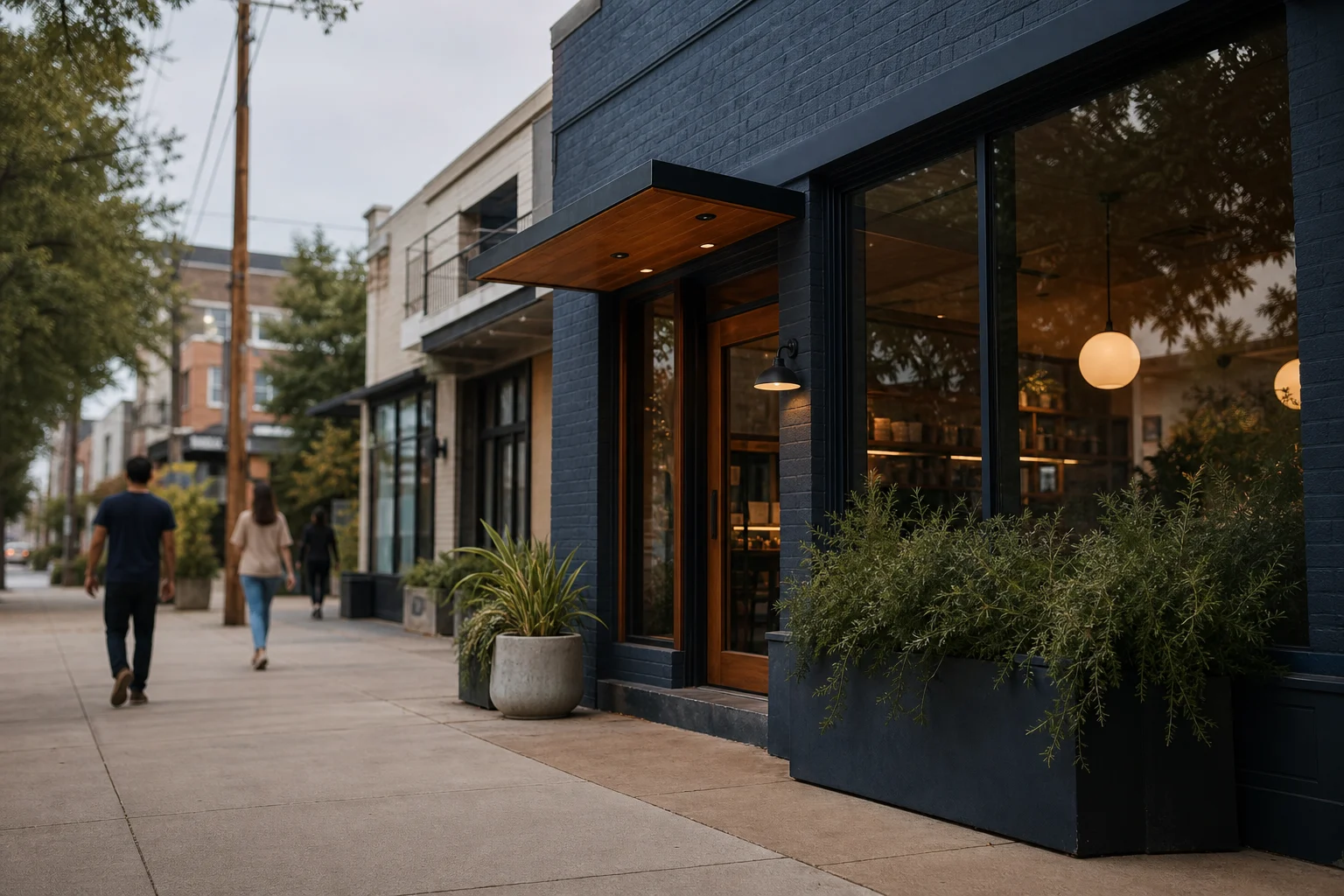
Equipment categories by launch format
Your ice cream shop equipment needs will vary significantly based on your chosen format. A traditional scoop shop requires different equipment than a soft-serve only operation or a gourmet gelateria. Detroit's market temperature suggests opportunity for differentiation, especially in areas like Downtown Detroit where three ice cream competitors already operate within 600m.
For a full-service ice cream shop, you'll need refrigeration equipment including display cases, storage freezers, and dipping cabinets. Production equipment includes pasteurizers, aging tanks, and batch freezers for creating your ice cream base. Serving equipment consists of dipping wells, scoops, and toppings dispensers. Point-of-sale systems and customer seating furniture round out the essential categories.
Consider your format carefully against Detroit's competitive landscape. In Lafayette Park, where Cold Stone Creamery is 626m away, a differentiated approach might require specialized equipment not found in traditional shops. Corktown's existing competitor, Momento Gelato and Coffee (4.7★, 338 reviews), suggests that gelato-specific equipment could be a differentiating factor in that neighborhood.
Buildout assumptions that change the budget
Buildout requirements significantly impact your ice cream shop budget, particularly in Detroit's top neighborhoods. All three areas—Downtown Detroit, Lafayette Park, and Corktown—have rent levels running roughly $30-50/sqft NNN, but the condition of your space will dramatically affect buildout costs.
A ground-up buildout in a raw space requires substantial investment in plumbing, electrical work, ventilation systems, and flooring. Detroit's downtown core along Woodward Ave, Campus Martius, and GM RenCen presents opportunities in spaces that may require complete buildouts. These spaces offer maximum foot-traffic density but come with higher construction costs.
Conversely, a second-generation space with existing utilities and infrastructure can significantly reduce buildout expenses. Lafayette Park's strong residential density and city-leading office density make spaces with existing plumbing and electrical particularly valuable. Corktown's historic Michigan Ave corridor may offer spaces with character but potentially outdated systems requiring upgrades.
Your equipment layout will also affect buildout complexity. A production-focused shop requiring significant kitchen space will need more extensive buildout than a primarily retail operation with pre-made ice cream. Consider how your equipment footprint interacts with the existing space to minimize unnecessary construction.
New vs used equipment tradeoffs
The decision between new and used equipment represents a critical tradeoff for Detroit ice cream shop owners. New equipment offers warranties, energy efficiency, and the latest technology, but comes with a higher upfront cost. Used equipment provides immediate cost savings but may require more maintenance and lack modern efficiency features.
Detroit's promising market temperature suggests that investing in reliable equipment could pay off through reduced downtime and operational efficiency. In Downtown Detroit, where foot-traffic density is highest, equipment reliability becomes particularly important to maintain consistent service during peak hours.
Consider the age and condition of used equipment carefully. Older equipment may have higher maintenance costs and energy consumption, potentially negating initial savings. In Lafayette Park, where rent is slightly friendlier than pure downtown, allocating more budget to quality equipment might be a strategic advantage.
Your equipment maintenance capabilities also factor into this decision. If you have in-house technical expertise, used equipment may be more manageable. Otherwise, the support network available from new equipment vendors could be worth the additional investment, especially in a competitive market like Detroit's.
What to inspect in a second-generation space
When evaluating a second-generation ice cream shop space in Detroit, thorough inspection of existing equipment and infrastructure is crucial. The condition of refrigeration systems, electrical capacity, and plumbing directly impacts your buildout budget and operational efficiency.
Examine the existing refrigeration equipment carefully. Compressors, condensers, and evaporators should be tested for proper function. In Downtown Detroit, where three ice cream competitors already operate, reliable refrigeration is essential to maintain product quality during high-demand periods. Look for signs of previous leaks or inadequate cooling that could indicate future problems.
Electrical systems must accommodate your equipment load requirements. Check the existing electrical panel capacity and wiring condition. Corktown's historic buildings may have outdated electrical systems that require expensive upgrades to support modern ice cream shop equipment. Consider whether additional circuits or panel upgrades will be necessary.
Plumbing infrastructure should support your specific needs. Verify water pressure, drainage capacity, and gas lines if required for equipment. Lafayette Park's strong residential density means water usage will be significant, so ensure your plumbing can handle peak demand periods.
Flooring and finishes impact both customer perception and maintenance requirements. Commercial-grade flooring that can withstand moisture and temperature fluctuations is essential. Consider whether existing finishes meet health code requirements or will need replacement.
FAQ
What equipment do I need for An Ice Cream Shop in Detroit?
Your ice cream shop equipment needs will depend on your specific concept and menu offerings. Essential categories include refrigeration equipment (display cases, storage freezers, dipping cabinets), production equipment (pasteurizers, aging tanks, batch freezers), serving equipment (dipping wells, scoops, toppings dispensers), point-of-sale systems, and customer seating furniture. Detroit's competitive landscape suggests that specialized equipment could provide differentiation in neighborhoods like Downtown Detroit, Lafayette Park, and Corktown.
How does location affect equipment needs in Detroit?
Detroit's top neighborhoods each present different competitive environments that may influence equipment choices. In Downtown Detroit, where three ice cream competitors already operate within 600m, specialized equipment could help differentiate your offering. Lafayette Park's single direct competitor (Cold Stone Creamery at 626m) suggests opportunity for format innovation. Corktown's existing gelateria competitor (Momento Gelato and Coffee at 443m) might indicate that gelato-specific equipment could be advantageous in that neighborhood.
What buildout factors impact equipment costs?
Buildout requirements significantly affect your equipment budget. Ground-up buildouts require substantial investment in supporting infrastructure, while second-generation spaces with existing utilities can reduce costs. The condition of existing refrigeration, electrical systems, and plumbing will determine additional requirements. Detroit's rent levels of roughly $30-50/sqft NNN across all three top neighborhoods suggest that buildout efficiency is particularly important for maintaining overall project costs.
Should I buy new or used equipment for my Detroit ice cream shop?
The new versus used equipment decision involves tradeoffs between upfront cost and long-term reliability. New equipment offers warranties and energy efficiency but comes with higher initial costs. Used equipment provides immediate savings but may require more maintenance. Detroit's promising market temperature suggests that reliable equipment could be particularly valuable for maintaining consistent service during high-demand periods, especially in high-foot-traffic areas like Downtown Detroit.
How does Detroit's market temperature affect equipment planning?
Detroit's promising market temperature suggests opportunity for ice cream shop entrepreneurs, but also indicates the importance of reliable equipment to capture market share. Medium competition density across the city's top neighborhoods suggests that equipment quality and reliability could be differentiating factors. The low rent levels in Detroit compared to other markets may allow for greater investment in quality equipment that enhances customer experience and operational efficiency.
Last reviewed: 2026-05-08
Sources: U.S. Census Bureau ACS, LEHD LODES, Google Places, OpenStreetMap, Locavisor neighborhood scoring.
Methodology: Locavisor scores neighborhoods across demand, competition fit, rent fit, accessibility, and customer match. Scores reflect a snapshot of recent data and should be combined with on-the-ground research before lease decisions.
Disclaimer: This article provides informational content only and does not constitute legal, financial, accounting, or real-estate advice. Verify lease terms, licensing, local regulations, costs, and professional requirements with qualified local professionals before making business decisions.
Free preview shows top 3 neighborhoods. Full $9.99 report covers all 10 areas with personalized scoring + 90-day check-ins.
Informational only. Verify lease, licensing, local regulations, costs, and professional requirements with qualified local professionals.