Fort Worth, TX · ice cream shop
Ice cream shop equipment costs Fort Worth
Planning an ice cream shop in Fort Worth requires careful consideration of equipment and buildout needs. The city's market temperature is mixed with medium competition density and low rent levels, creating both opportunities and challenges for entrepreneurs. Locavisor neighborhood scoring identifies Stockyards (7.0/10), Sundance Square (6.3/10), and Cultural District (5.7/10) as the top three areas for an ice cream shop concept, each with distinct characteristics that impact equipment planning.
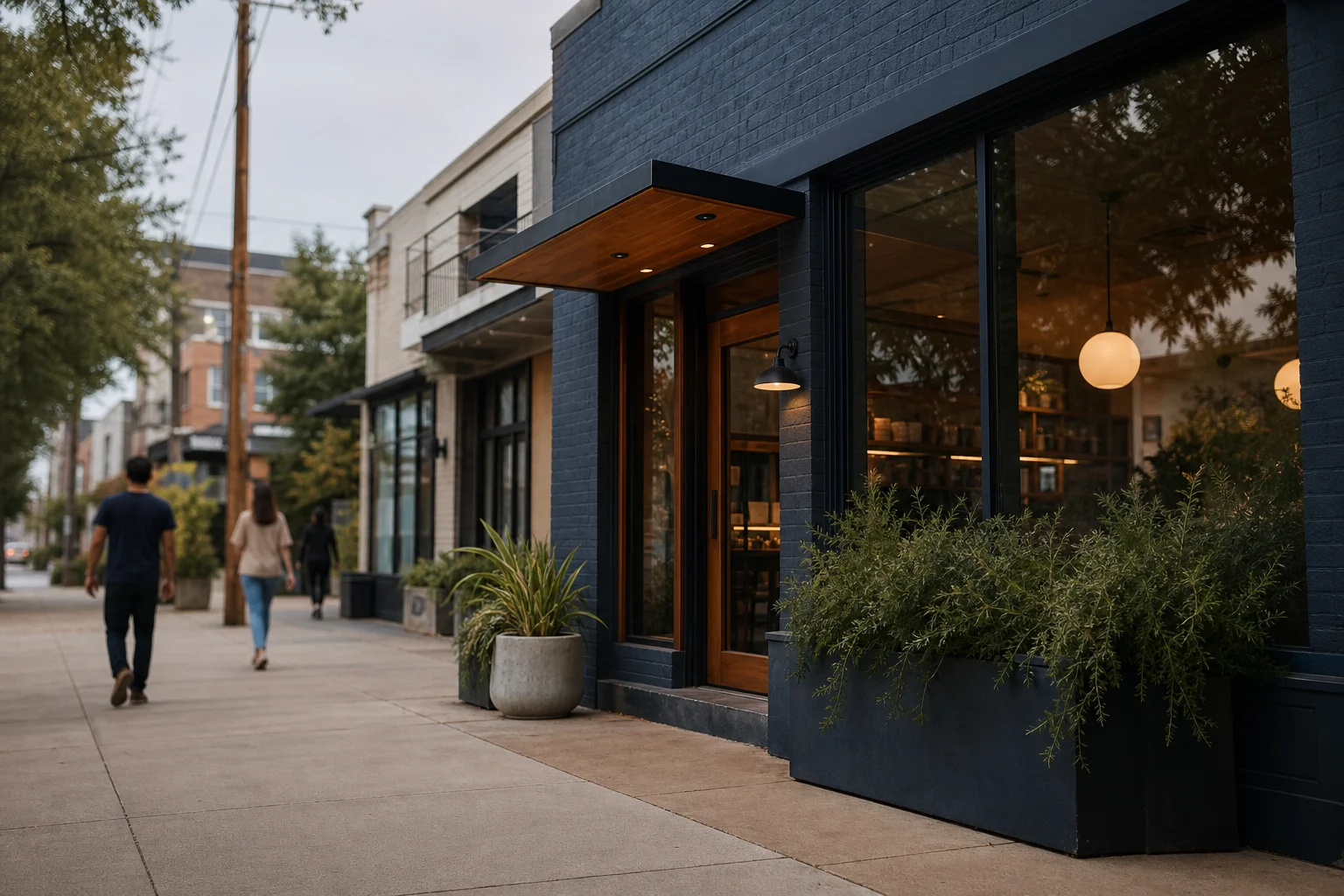
Equipment categories by launch format
Your ice cream shop equipment needs will vary significantly based on your chosen format. A full-service shop with seating requires different equipment than a counter-service or mobile operation. Fort Worth's top areas offer different opportunities: Stockyards is best for a tourist-and-event-driven concept near Exchange Ave foot traffic, Sundance Square has strong daytime office-worker population, and the Cultural District serves museum-and-event visitors.
Core ice cream production equipment includes batch freezers, pasteurizers, and homogenizers. These form the foundation of your operation regardless of format. Storage solutions like walk-in freezers and reach-in refrigerators are essential for maintaining product quality. Point of sale systems must handle Fort Worth's tourist traffic efficiently, especially in high-footfall areas like Stockyards where impulse purchases drive sales.
Customer experience equipment differs by format. A shop in Sundance Square serving office workers might need more seating for extended visits, while a Stockyards location focused on impulse buys might prioritize counter space over seating. The Cultural District's museum visitors might require outdoor seating options to accommodate different weather conditions.
Buildout assumptions that change the budget
Buildout requirements directly impact your equipment budget. Fort Worth's low rent level provides some financial relief, but market temperature considerations mean you should plan for variable customer traffic patterns. In Stockyards, the tourist + evening daypart strength supports impulse ice-cream purchases, potentially reducing the need for extensive seating. Sundance Square's daytime population density suggests different equipment priorities.
Floor plan constraints in existing spaces can significantly alter equipment needs. A second-generation space might already have plumbing, electrical, and ventilation systems that reduce buildout costs. However, these systems may not align with your specific equipment requirements. The 78% score confidence in Locavisor's data suggests you should verify existing infrastructure before committing to a lease.
Health department requirements impact buildout planning. Fort Worth's health regulations mandate specific equipment placement and storage conditions. These requirements affect both initial buildout costs and ongoing operational expenses. The mixed market temperature means you should plan for seasonal fluctuations in customer traffic, which influences equipment capacity decisions.
New vs used equipment tradeoffs
New equipment offers reliability and warranty protection but comes with higher upfront costs. In Fort Worth's mixed market temperature, new equipment might provide better long-term value despite the initial investment. The low rent level partially offsets equipment costs, allowing for more flexibility in purchasing decisions. However, new equipment requires longer lead times, potentially delaying your opening date.
Used equipment reduces initial costs but carries higher maintenance risks. Fort Worth's medium competition density means you need reliable equipment to maintain operational efficiency. A used batch freezer might save money initially, but breakdowns during peak tourist season in Stockyards could cost more in lost sales. The 78% score confidence suggests careful evaluation of used equipment is essential.
Equipment financing options vary based on your credit profile and business plan. Fort Worth's financial institutions may offer different terms for ice cream shop equipment. The low rent level improves your debt service coverage ratio, potentially securing better financing terms. However, the mixed market temperature makes lenders more cautious about equipment financing, requiring stronger business plans.
What to inspect in a second-generation space
When evaluating existing spaces, focus on infrastructure compatibility with your equipment needs. Electrical systems must support your refrigeration and freezing requirements. In Stockyards, where MELT Ice Creams operates 126m away, the existing electrical infrastructure might already support ice cream shop operations. However, verification is essential before committing to a lease.
Plumbing infrastructure impacts both equipment placement and operational efficiency. Fort Worth's building codes require specific plumbing setups for commercial kitchens. The Cultural District's museum-and-event destination status might have different requirements than other areas. Existing plumbing can reduce buildout costs but may require modifications for your specific equipment.
Ventilation systems affect both equipment performance and customer experience. Ice cream production generates heat and moisture that require proper ventilation. Sundance Square's dense office-worker daytime population means ventilation systems must handle peak capacity without affecting customer comfort. Existing ventilation might need upgrades depending on your equipment selection and production volume.
FAQ
What equipment do I need for An Ice Cream Shop in Fort Worth?
Your ice cream shop needs core production equipment including batch freezers, pasteurizers, and homogenizers. Storage solutions like walk-in freezers and reach-in refrigerators are essential. Point of sale systems should handle Fort Worth's tourist traffic efficiently. Customer experience equipment varies by format—full-service shops need seating while counter-service operations prioritize counter space.
How does Fort Worth's market temperature affect equipment planning?
Fort Worth's mixed market temperature means you should plan for variable customer traffic patterns. Equipment capacity should accommodate both peak tourist seasons and slower periods. The low rent level provides some financial flexibility, allowing for equipment that can handle fluctuating demand without significant additional investment.
What are the equipment differences between Fort Worth's top three areas?
Stockyards requires equipment optimized for impulse purchases with minimal seating. Sundance Square needs equipment serving office workers with potential for extended visits. The Cultural District requires equipment that can handle museum-and-event visitors, possibly with outdoor seating options. Each area's unique characteristics directly impact equipment selection and capacity.
Should I buy new or used equipment for my Fort Worth ice cream shop?
New equipment offers reliability and warranty protection but comes with higher upfront costs. Used equipment reduces initial costs but carries higher maintenance risks. Fort Worth's mixed market temperature and medium competition density suggest that reliable equipment is essential for maintaining operational efficiency. Consider your budget, timeline, and risk tolerance when making this decision.
How does Fort Worth's rent level impact equipment budgeting?
Fort Worth's low rent level provides financial relief that can be allocated to equipment purchases. This allows for more flexibility in selecting higher-quality equipment or expanding capacity. However, the mixed market temperature means you should balance equipment investment with operational costs to ensure profitability across different seasons.
Last reviewed: 2026-05-08
Sources: U.S. Census Bureau ACS, LEHD LODES, Google Places, OpenStreetMap, Locavisor neighborhood scoring.
Methodology: Locavisor scores neighborhoods across demand, competition fit, rent fit, accessibility, and customer match. Scores reflect a snapshot of recent data and should be combined with on-the-ground research before lease decisions.
Disclaimer: This article provides informational content only and does not constitute legal, financial, accounting, or real-estate advice. Verify lease terms, licensing, local regulations, costs, and professional requirements with qualified local professionals before making business decisions.
Free preview shows top 3 neighborhoods. Full $9.99 report covers all 10 areas with personalized scoring + 90-day check-ins.
Informational only. Verify lease, licensing, local regulations, costs, and professional requirements with qualified local professionals.