Miami, FL · ice cream shop
Ice cream shop equipment costs Miami
Planning an ice cream shop in Miami requires careful consideration of equipment and buildout costs. The right equipment choices depend on your shop format, location, and budget constraints. Miami's diverse neighborhoods offer different opportunities and challenges for ice cream entrepreneurs, with varying rent levels and market conditions that impact equipment planning.
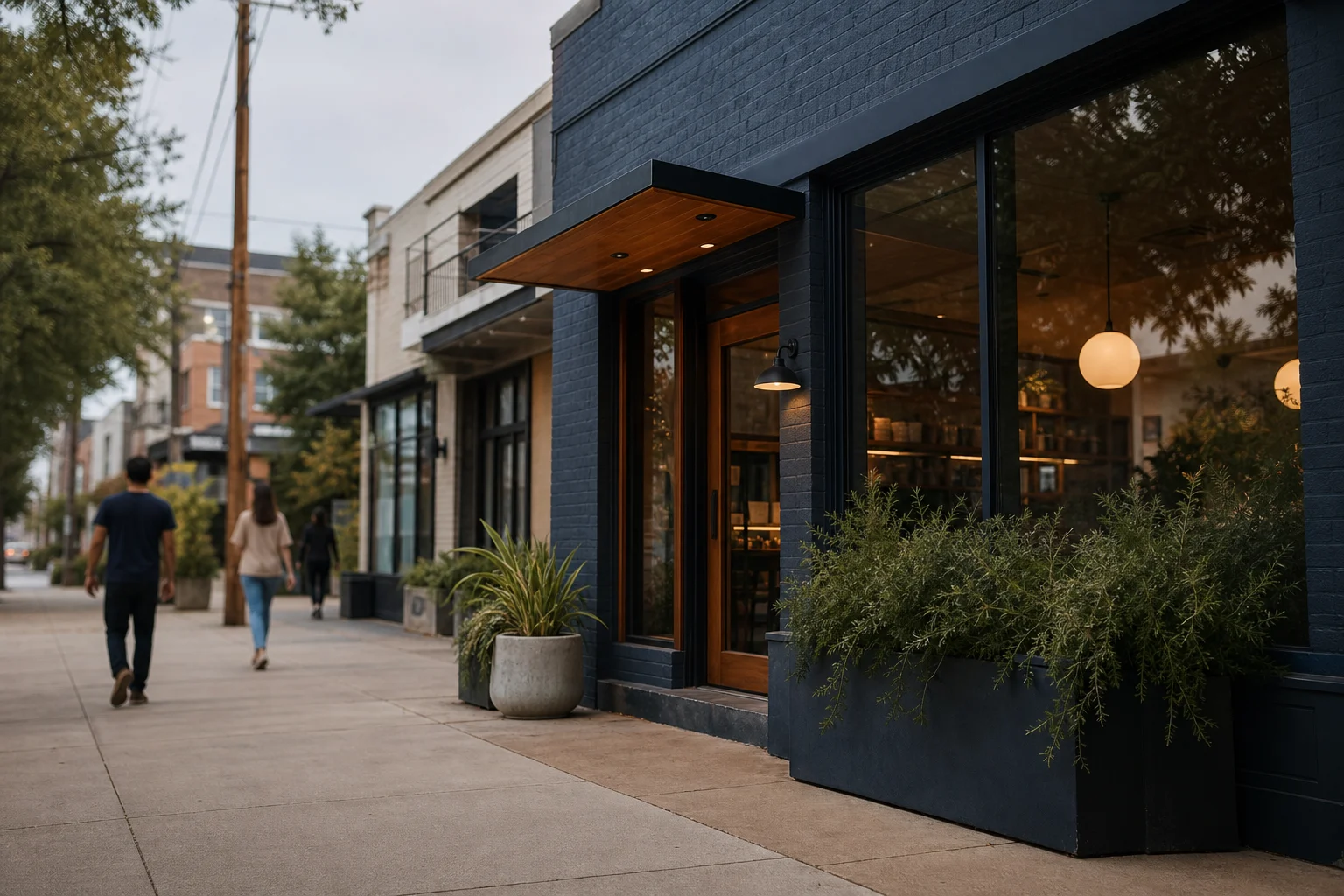
Equipment categories by launch format
When planning ice cream shop equipment costs in Miami, your launch format significantly impacts equipment needs. Miami's market temperature is mixed, with medium competition density and high rent levels in prime areas. The equipment requirements differ between a small counter-service operation and a full-service ice cream parlor with seating.
For a counter-service model, you'll need commercial ice cream freezers, dipping cabinets, point-of-sale systems, and basic preparation equipment. A full-service operation requires additional equipment like tables, chairs, refrigerated display cases, and potentially soft-serve machines. The MiMo / Upper Eastside area (6.0/10) presents a solid option for medium-budget operators, with strong walkability and lunch traffic from nearby offices and coworking spaces like Büro MiMo and MADE at The Citadel.
Buildout assumptions that change the budget
Buildout assumptions significantly impact your ice cream shop equipment costs in Miami. The Design District (5.2/10) offers high foot traffic and tourist draw but comes with trophy-tier rent of roughly $90-140/sqft NNN. This premium location requires more substantial buildout investments to match the luxury environment.
Your buildout budget depends on whether you're constructing a new space or renovating an existing one. New construction requires plumbing, electrical, HVAC, and flooring installations, while renovation focuses on updating existing infrastructure to meet commercial kitchen standards. In Hialeah (5.0/10), rent is more workable at $45-70/sqft NNN, allowing for potentially higher equipment investments with lower buildout costs. However, this area offers near-zero tourist traffic and a weak late-night daypart, requiring equipment that supports a locals-focused business model.
New vs used equipment tradeoffs
The decision between new and used equipment affects your ice cream shop startup costs in Miami. New equipment offers warranties, energy efficiency, and the latest technology but comes with higher upfront costs. Used equipment reduces initial investment but may require more maintenance and lack warranty coverage.
In Miami's high-rent environment, the cost pressure on equipment budgets is significant. The MiMo / Upper Eastside area provides a balance with medium rent levels and no direct ice cream competitors in the immediate area. This allows for strategic equipment investments that differentiate your offering without excessive overhead. When considering used equipment, prioritize commercial-grade models with proven reliability in high-temperature environments like Miami's climate.
What to inspect in a second-generation space
When evaluating a second-generation space for your Miami ice cream shop, thorough inspection of existing infrastructure can reduce equipment costs. Look for compatible electrical systems, plumbing hookups, and ventilation that can support ice cream equipment requirements.
The Design District's existing ice cream shops—Lollifruit Gelato at 4.6★ and Gelato-go at 5★—offer insights into successful equipment setups in competitive markets. In Hialeah's dense residential corridor along Palm Ave, equipment should support high-volume production during peak hours while maintaining energy efficiency in a locals-focused business model.
Before signing a lease, validate that the space can accommodate your specific equipment needs, including power requirements, ventilation, and refrigeration capacity. Consider the layout's efficiency for workflow and customer flow, as these factors impact both equipment placement and operational costs.
FAQ
What equipment do I need for An Ice Cream Shop in Miami?
Essential equipment for an ice cream shop in Miami includes commercial ice cream freezers, dipping cabinets, point-of-sale systems, preparation tables, refrigeration units, and potentially soft-serve machines. Additional equipment depends on your shop format—counter-service operations require less equipment than full-service establishments with seating. The specific equipment needs vary by location, with the MiMo / Upper Eastside area offering opportunities for medium-budget operators, while the Design District requires premium equipment to match the luxury environment.
How does location impact equipment costs for an ice cream shop in Miami?
Location significantly impacts equipment costs through rent levels and market expectations. The Design District's trophy-tier rent of roughly $90-140/sqft NNN requires higher equipment investments to match the luxury environment. In contrast, Hialeah's more workable rent at $45-70/sqft NNN allows for potentially higher equipment investments with lower overhead. Market temperature and competition density also influence equipment decisions, with medium competition density in Miami requiring equipment that differentiates your offering.
What should I consider when choosing between new and used equipment for my Miami ice cream shop?
When choosing between new and used equipment, consider upfront costs, warranty coverage, energy efficiency, and maintenance requirements. New equipment offers warranties and energy efficiency but comes with higher initial costs. Used equipment reduces upfront investment but may require more maintenance and lack warranty coverage. In Miami's high-rent environment, the cost pressure on equipment budgets is significant, making energy efficiency a key consideration for long-term operational expenses.
How does buildout impact equipment planning for an ice cream shop in Miami?
Buildout significantly impacts equipment planning by determining infrastructure compatibility and layout efficiency. New construction requires substantial investment in plumbing, electrical, HVAC, and flooring installations that support equipment needs. Renovation focuses on updating existing infrastructure to meet commercial standards. The MiMo / Upper Eastside area's strong walkability and lunch traffic from nearby offices and coworking spaces like Büro MiMo and MADE at The Citadel influence equipment planning for peak-hour capacity and customer flow.
What should I inspect in a second-generation space for my Miami ice cream shop?
When inspecting a second-generation space, evaluate existing infrastructure for compatibility with ice cream equipment requirements. Check electrical systems, plumbing hookups, ventilation, and refrigeration capacity. Consider the layout's efficiency for workflow and customer flow, as these factors impact both equipment placement and operational costs. In areas like Hialeah with dense residential population, equipment should support high-volume production during peak hours while maintaining energy efficiency for a locals-focused business model.
Last reviewed: 2026-05-08
Sources: U.S. Census Bureau ACS, LEHD LODES, Google Places, OpenStreetMap, Locavisor neighborhood scoring.
Methodology: Locavisor scores neighborhoods across demand, competition fit, rent fit, accessibility, and customer match. Scores reflect a snapshot of recent data and should be combined with on-the-ground research before lease decisions.
Disclaimer: This article provides informational content only and does not constitute legal, financial, accounting, or real-estate advice. Verify lease terms, licensing, local regulations, costs, and professional requirements with qualified local professionals before making business decisions.
Free preview shows top 3 neighborhoods. Full $9.99 report covers all 10 areas with personalized scoring + 90-day check-ins.
Informational only. Verify lease, licensing, local regulations, costs, and professional requirements with qualified local professionals.