New Orleans, LA · ice cream shop
Ice cream shop equipment costs New Orleans
Planning your ice cream shop equipment costs in New Orleans requires understanding how location impacts your buildout strategy. The city's unique market conditions and high rent levels significantly influence equipment decisions. Locavisor neighborhood scoring shows French Quarter (5.3/10), Tulane / Loyola Area (5.3/10), and CBD / Warehouse District (5.0/10) as your top options, each with distinct equipment implications.
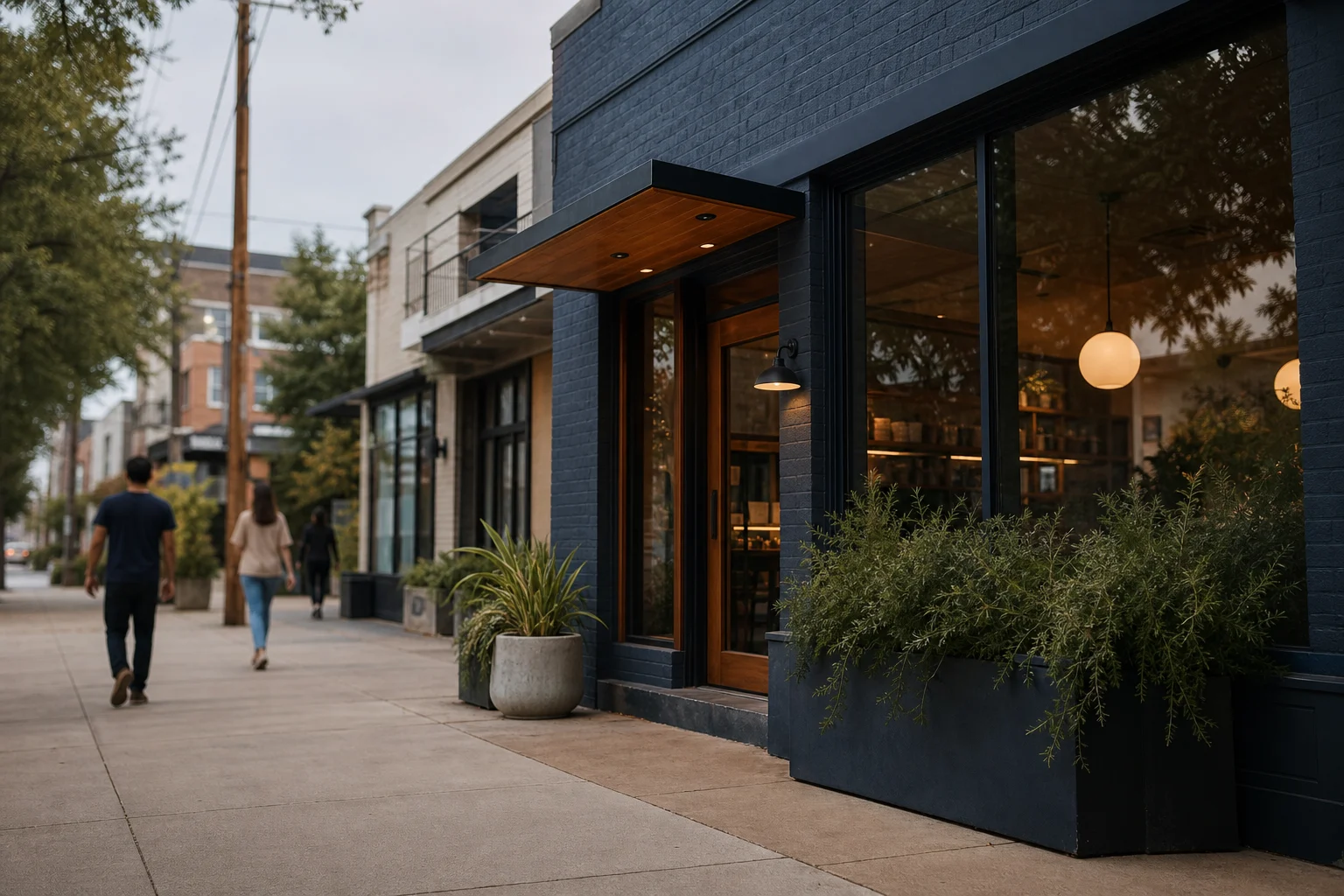
Equipment categories by launch format
Ice cream shop equipment costs New Orleans vary dramatically based on your chosen format. A full-service shop with seating requires different equipment than a counter-service operation. Your equipment budget will be shaped by whether you plan to make ice cream on-site or use pre-made products. French Quarter's high rent level means smaller spaces with efficient equipment layouts are essential. The market temperature being mixed suggests flexibility in equipment investment may be beneficial.
Refrigeration forms the backbone of any ice cream operation. Walk-in freezers, display cases, and dipping cabinets represent your largest equipment investment. The French Quarter's walkability being near ceiling means customer flow will be constant, requiring robust refrigeration systems that can handle high usage. Tulane / Loyola Area's substantial daytime worker pool means you'll need equipment that performs well during peak lunch hours.
Mixing and pasteurization equipment depends on whether you plan to make ice cream from scratch. The French Quarter's two existing ice cream shops (Kilwins at 4.5★/1,067 reviews, O.K. Ice cream at 4.7★/71 reviews) demonstrate both demand and the need for quality production equipment. The CBD / Warehouse District's growing residential base in converted warehouse lofts suggests evening equipment usage patterns worth considering.
Buildout assumptions that change the budget
Your buildout assumptions directly impact equipment costs in New Orleans. The rent level being high means every square foot must justify its presence through efficient equipment placement. French Quarter's highest-traffic tourist corridor status means your buildout should prioritize customer flow and visibility. The competition density being medium suggests equipment differentiation could help you stand out.
Kitchen layout determines how efficiently your equipment functions together. The Tulane / Loyola Area's city-leading transit access means delivery schedules can influence equipment placement decisions. Your buildout must accommodate both production and service equipment while maintaining proper health code clearances. The CBD / Warehouse District's convention-center traffic requires equipment that handles volume fluctuations.
Utilities infrastructure affects equipment selection and costs. French Quarter's evening daypart being strong means equipment must perform reliably during extended operating hours. The Tulane / Loyola Area's strong office density suggests lunch rush equipment performance is critical. Your buildout should account for electrical requirements of specialized ice cream equipment and proper ventilation for production areas.
New vs used equipment tradeoffs
New equipment offers reliability and warranty protection but comes with higher upfront costs. The market temperature being mixed suggests careful equipment investment timing could be beneficial. French Quarter's high rent level means faster equipment depreciation might be acceptable given the potential revenue. The competition density being medium means quality equipment could provide a competitive edge.
Used equipment reduces initial investment but carries higher maintenance risks. Tulane / Loyola Area's substantial daytime worker pool means equipment downtime during peak hours could be particularly damaging. The CBD / Warehouse District's Superdome event crowds suggest equipment must handle sudden surges in demand. Your equipment decisions should balance initial costs with long-term reliability needs.
Equipment financing options vary based on new versus used purchases. French Quarter's walkability being near ceiling means high customer traffic justifies reliable equipment. The Tulane / Loyola Area's strong lunch traffic from office workers and campus crowds requires equipment that performs consistently. Your equipment selection should consider total cost of ownership, including maintenance and energy efficiency.
What to inspect in a second-generation space
When evaluating existing spaces, equipment inspection becomes critical. The French Quarter's two existing ice cream shops prove demand but also mean equipment standards are established. The competition density being medium suggests existing equipment might already meet market expectations. Your inspection should focus on refrigeration systems' age and efficiency, as these represent your largest equipment investment.
Plumbing and electrical infrastructure must support ice cream equipment requirements. Tulane / Loyola Area's city-leading transit access means delivery schedules affect equipment placement decisions. The CBD / Warehouse District's growing residential base suggests evening equipment usage patterns worth evaluating. Your inspection should verify that existing utilities can handle your specific equipment needs without costly upgrades.
Ventilation and exhaust systems impact both equipment performance and customer experience. French Quarter's highest-traffic tourist corridor status means equipment must handle constant use. The Tulane / Loyola Area's strong office density suggests lunch rush equipment performance is critical. Your inspection should assess whether existing ventilation meets health code requirements for ice cream production.
FAQ
What equipment do I need for An Ice Cream Shop in New Orleans?
Your ice cream shop needs refrigeration equipment including display cases, dipping cabinets, and walk-in freezers. Production equipment may include pasteurizers, batch freezers, and mixers depending on whether you make ice cream on-site. Service equipment consists of POS systems, serving utensils, and packaging materials. The specific equipment needs vary based on your chosen format and location within New Orleans.
How does location affect equipment costs in New Orleans?
French Quarter's high rent level means equipment must maximize space efficiency. Tulane / Loyola Area's substantial daytime worker pool requires equipment that performs well during peak lunch hours. CBD / Warehouse District's convention-center traffic means equipment must handle volume fluctuations. Each location's unique characteristics influence equipment selection and budget priorities.
What equipment maintenance considerations are specific to New Orleans?
New Orleans' climate creates unique challenges for refrigeration equipment, requiring more robust cooling systems. High humidity levels mean equipment must be properly sealed to prevent moisture damage. The city's tourism patterns create equipment usage peaks during certain seasons. Your maintenance plan should account for these local factors to ensure equipment longevity.
How does competition impact equipment decisions in New Orleans?
French Quarter's two existing ice cream shops demonstrate established equipment standards. The competition density being medium suggests equipment differentiation could help you stand out. Your equipment choices should consider what competitors offer while identifying opportunities for unique equipment features. Market research of existing shops reveals which equipment investments provide competitive advantage.
What equipment efficiency considerations matter in New Orleans?
Energy efficiency directly impacts operating costs in New Orleans' high-rent environment. Equipment that performs well during the city's hot summer months reduces strain on cooling systems. The French Quarter's strong evening daypart means equipment must handle extended operating hours. Your equipment selection should prioritize energy efficiency and durability to manage long-term operating costs.
Last reviewed: 2026-05-08
Sources: U.S. Census Bureau ACS, LEHD LODES, Google Places, OpenStreetMap, Locavisor neighborhood scoring.
Methodology: Locavisor scores neighborhoods across demand, competition fit, rent fit, accessibility, and customer match. Scores reflect a snapshot of recent data and should be combined with on-the-ground research before lease decisions.
Disclaimer: This article provides informational content only and does not constitute legal, financial, accounting, or real-estate advice. Verify lease terms, licensing, local regulations, costs, and professional requirements with qualified local professionals before making business decisions.
Free preview shows top 3 neighborhoods. Full $9.99 report covers all 10 areas with personalized scoring + 90-day check-ins.
Informational only. Verify lease, licensing, local regulations, costs, and professional requirements with qualified local professionals.