New York, NY · ice cream shop
Ice cream shop equipment costs New York
Planning an ice cream shop in New York requires careful consideration of equipment and buildout costs. The right equipment choices depend on your specific format, location, and target market. New York's ice cream shop scene varies significantly by neighborhood, with each area presenting unique opportunities and challenges for entrepreneurs.
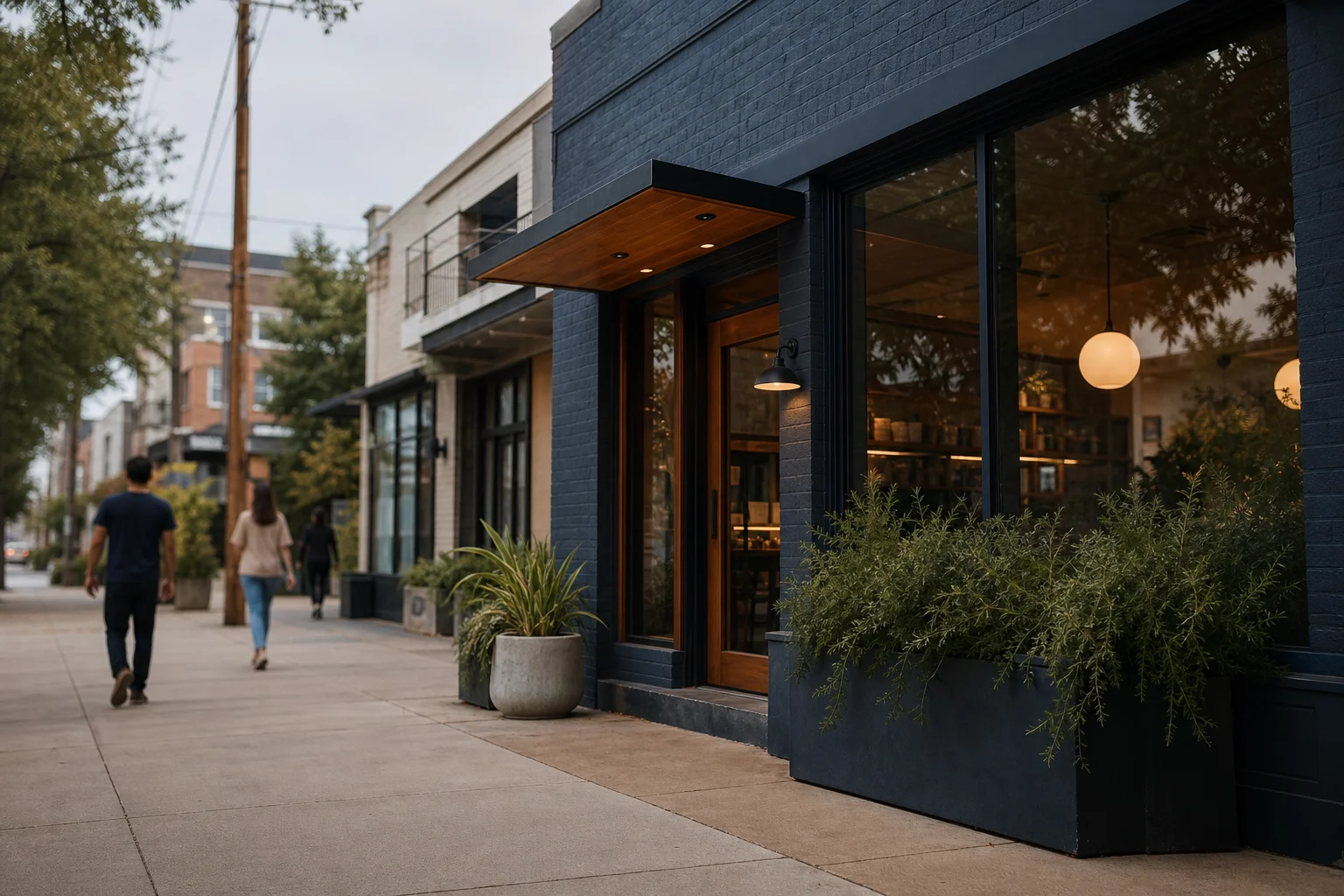
Equipment categories by launch format
Ice cream shops in New York typically fall into several format categories, each requiring different equipment setups. A traditional scoop shop needs commercial-grade freezers, display cases, and serving stations. Soft-serve operations require specialized machines that can handle continuous production. Gelato shops need different equipment than American-style ice cream parlors. Your format choice directly impacts your equipment budget and space requirements.
The Harlem (6.6/10) area offers a strong walkability score and transit access, making it ideal for an impulse-driven ice cream concept. With zero direct competitors in the immediate area, you can establish your brand without direct competition. Rent is moderate for NYC at roughly $30-50/sqft NNN, which affects your equipment budget considerations.
Astoria (6.5/10) presents a dense residential neighborhood with near-perfect walkability and strong evening energy. However, with three existing ice-cream shops — Ample Hills Creamery (4.6★, 940 reviews), Baskin-Robbins (3.0★, 11 reviews), and Mochi and Cream (4.8★, 40 reviews) — competition is real but segmented by format. Rent is roughly $30-50/sqft NNN, similar to Harlem.
Coney Island (6.3/10) operates as a seasonal destination with massive summer tourist traffic from Luna Park and the boardwalk. The three existing ice-cream shops (Lunatics Ice Cream 4.2★, Baskin-Robbins 3.4★, Coney Waffle 3.9★) are mostly low-rated, leaving room for a quality operator. Rent is roughly $30-50/sqft NNN, consistent across all three areas.
Buildout assumptions that change the budget
Buildout requirements vary significantly based on your chosen space and format. A ground-up buildout requires more investment than a second-generation space with existing utilities. Your equipment needs will determine your electrical and plumbing requirements, which can substantially impact buildout costs.
In Harlem, the 125th St corridor delivers top-tier walkability and a deep evening crowd, ideal for an impulse-driven concept. The presence of Insomnia Cookies (4.0★, 479 reviews) and 787 Coffee (4.9★, 2,726 reviews) proves dessert demand is real in this area. Your buildout should consider the high foot traffic and potential for impulse purchases.
Astoria's 30th Ave corridor offers a dense residential neighborhood with strong evening energy. With existing ice cream shops already serving the area, your buildout should consider how to differentiate your concept while meeting the expectations of local residents. The competition density is medium, suggesting there's room for a well-positioned newcomer.
Coney Island's seasonal nature requires special consideration for buildout. Your equipment must handle peak summer demand while remaining cost-effective during the slower shoulder season. The existing low-rated ice cream shops suggest an opportunity for a quality operator who can leverage the tourist traffic while maintaining consistent quality.
New vs used equipment tradeoffs
New equipment offers the latest technology, warranties, and energy efficiency, but comes with a higher upfront cost. Used equipment can significantly reduce initial expenses but may require more maintenance and lack warranty coverage. Your decision should consider your budget constraints, technical expertise, and long-term business plans.
Harlem's mixed market temperature suggests a balanced approach to equipment investment. With moderate rent levels and strong transit access, you might consider investing in higher-quality equipment that can withstand heavy use while maintaining energy efficiency over time.
Astoria's medium competition density means your equipment choices should help differentiate your concept. While used equipment might save on initial costs, investing in newer, more efficient equipment could provide operational advantages in a competitive market.
Coney Island's seasonal nature makes equipment durability particularly important. Used equipment that has proven its reliability through multiple seasons might be a smart choice, as long as it can handle the intense summer rush without frequent breakdowns.
What to inspect in a second-generation space
When considering a second-generation space, focus on the existing infrastructure that supports ice cream operations. Electrical capacity for freezers and refrigeration is critical. Ventilation systems must handle both heat from equipment and potential odors. Floor drainage and plumbing connections can save significant buildout costs if properly positioned.
In Harlem, the existing dessert establishments like Insomnia Cookies and 787 Coffee suggest the area has proven demand for sweet treats. A second-generation space with compatible electrical and plumbing systems could reduce your initial investment while leveraging the established customer base.
Astoria's existing ice cream shops mean the area likely has spaces already configured for this type of business. Look for spaces with proper electrical capacity for multiple freezers and refrigeration units. The presence of established competitors also suggests the area has appropriate zoning and permitting processes in place.
Coney Island's seasonal tourist traffic requires equipment that can handle peak demand. A second-generation space with proven electrical capacity for multiple high-demand appliances would be advantageous. The existing ice cream shops, despite their lower ratings, indicate the area has the necessary infrastructure for this type of business.
FAQ
What equipment do I need for An Ice Cream Shop in New York?
The essential equipment for an ice cream shop in New York includes commercial-grade freezers and refrigeration units, display cases, serving stations, POS systems, and preparation equipment. Your specific needs will vary based on your format—whether you're serving traditional scoops, soft serve, gelato, or specialty items. Additional equipment may include storage shelving, cleaning supplies, and furniture for customer seating if applicable.
How does location affect equipment needs in New York?
Different neighborhoods present unique challenges for ice cream shop equipment. Harlem's walkability and transit access favor equipment that can handle impulse purchases and quick service. Astoria's residential density requires equipment that can maintain consistent quality during busy periods. Coney Island's seasonal nature demands equipment that can handle peak summer traffic while remaining efficient during slower months.
Should I buy new or used equipment for my New York ice cream shop?
The decision between new and used equipment depends on your budget, technical expertise, and long-term plans. New equipment offers warranties and energy efficiency but comes with higher upfront costs. Used equipment reduces initial expenses but may require more maintenance and lack warranty coverage. Consider your specific location's demands when making this decision.
What should I look for in a second-generation ice cream shop space?
When evaluating a second-generation space, focus on the existing infrastructure that supports ice cream operations. Check electrical capacity for freezers and refrigeration, ventilation systems that can handle heat and odors, and proper floor drainage and plumbing connections. The presence of existing dessert establishments in the area can indicate that the space has the necessary infrastructure and appropriate zoning.
How does competition impact equipment decisions in New York?
Competition density affects your equipment strategy in different ways. In areas with medium competition like Astoria, your equipment choices should help differentiate your concept. In areas with fewer direct competitors like Harlem, you might focus on equipment that maximizes efficiency and customer experience. Coney Island's low-rated existing competitors suggest an opportunity for quality equipment that can deliver superior products.
Last reviewed: 2026-05-08
Sources: U.S. Census Bureau ACS, LEHD LODES, Google Places, OpenStreetMap, Locavisor neighborhood scoring.
Methodology: Locavisor scores neighborhoods across demand, competition fit, rent fit, accessibility, and customer match. Scores reflect a snapshot of recent data and should be combined with on-the-ground research before lease decisions.
Disclaimer: This article provides informational content only and does not constitute legal, financial, accounting, or real-estate advice. Verify lease terms, licensing, local regulations, costs, and professional requirements with qualified local professionals before making business decisions.
Free preview shows top 3 neighborhoods. Full $9.99 report covers all 10 areas with personalized scoring + 90-day check-ins.
Informational only. Verify lease, licensing, local regulations, costs, and professional requirements with qualified local professionals.