Oakland, CA · ice cream shop
Ice cream shop equipment costs Oakland
Opening an ice cream shop in Oakland means balancing equipment choices with buildout constraints, especially in neighborhoods where rent bands sit at $35-$55/sqft/yr NNN. The pressure to get equipment right-both in function and fit-can make or break a startup's cash flow. Every decision, from freezer placement to ventilation, ties back to local layout, utility access, and how established operators like Miharu Ice Cream or Star Light Donuts/Deli & Ice Cream run their kitchens. This guide breaks down what you need to validate, not just buy.
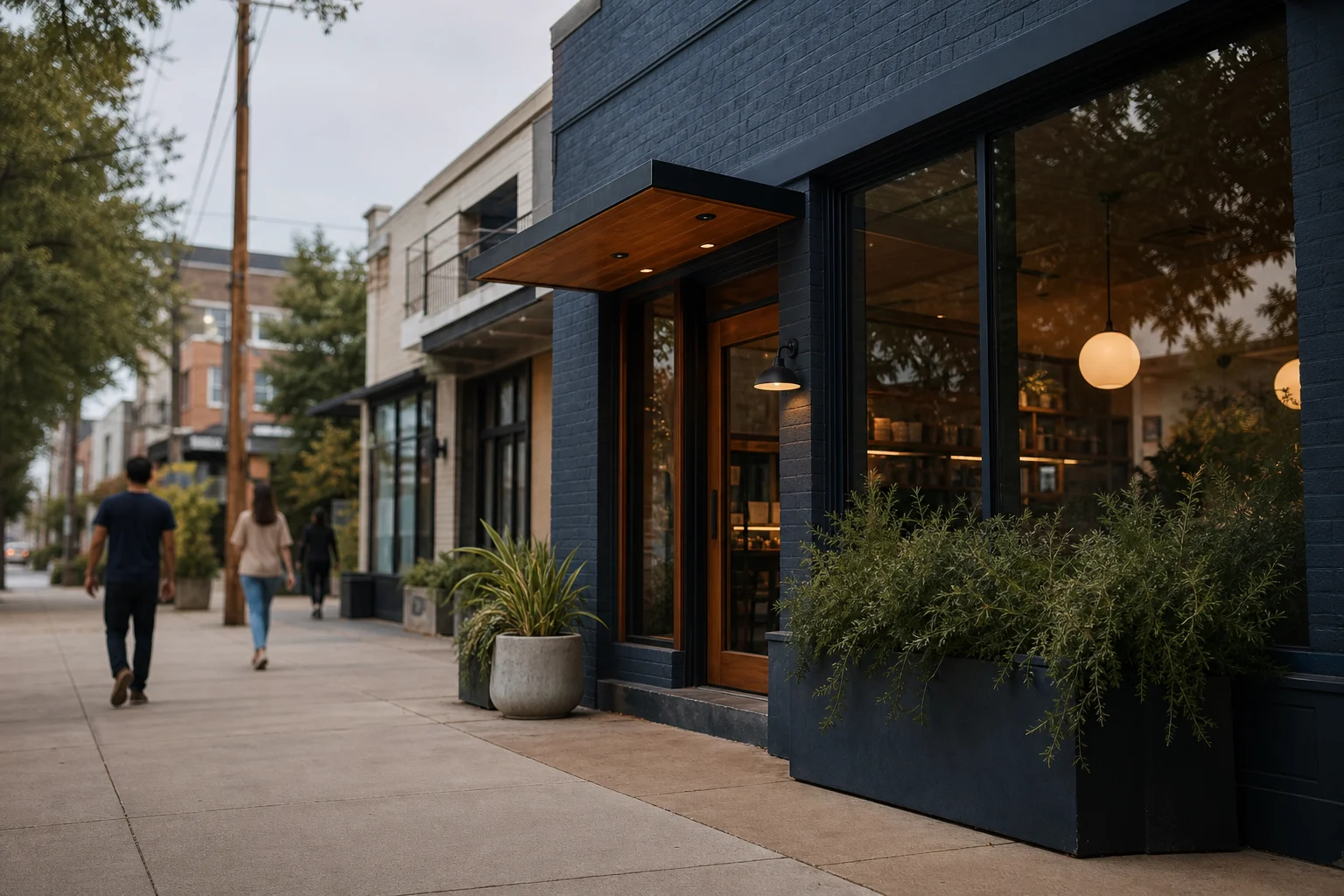
What equipment do you need to open a ice cream shop in Oakland?
The core equipment list for an ice cream shop in Oakland hinges on three factors: product type (hard vs. soft serve), storage, and customer experience. You'll need:
- Freezers: Commercial-grade reach-in or chest freezers for storing ice cream, sorbet, or gelato.
- Soft-serve machines: If offering soft serve, a reliable unit that handles high volume.
- Display cases: Glass-front cases to showcase products, critical for attracting foot traffic in busy Oakland neighborhoods like Uptown or Old Oakland.
- Mixers/blenders: For in-house batches or custom flavors.
- Dipping cabinets: For hard ice cream, with temperature control to prevent melting.
- ** POS system**: Integrated with order tracking, especially if you offer app ordering like Miharu Ice Cream.
- Cleaning supplies: Sanitizers and tools for maintaining equipment, a must for health inspections.
Oakland's climate and customer expectations (e.g., vegan options, signature drinks) mean equipment must handle temperature stability and flexibility. For example, Miharu Ice Cream's 4.9-star rating partly stems from its ability to serve premium flavors-requiring equipment that preserves texture and taste.
Buildout cost categories
Buildout costs in Oakland's top neighborhoods (Uptown, Old Oakland, Chinatown, Downtown, Lake Merritt) aren't just about construction-they're about aligning with local rent bands and utility infrastructure. Here's how to break them down:
Plumbing and electrical
Ice cream equipment demands precise plumbing (for cleaning, water access) and electrical (for freezers, mixers). Oakland's older buildings in Old Oakland or Chinatown may require upgrades to handle 220V circuits for commercial freezers. Always verify with a licensed electrician that your space can support the load-unexpected rewiring can derail timelines.
HVAC and ventilation
Ventilation is non-negotiable for ice cream shops, especially with soft-serve machines or open kitchens. Oakland's mild climate helps, but you still need a system that removes heat and odors. In Uptown, where foot traffic is high, a robust HVAC setup prevents customer discomfort and equipment overheating.
Flooring and finishes
Durable, slip-resistant flooring is key. In Lake Merritt, where customers might linger (e.g., studying at tables), easy-to-clean surfaces reduce maintenance. Finishes should also reflect the neighborhood's vibe-cozy in Uptown, industrial in Old Oakland.
Permits-driven items
Permits in Oakland involve health, building, and fire codes. For example, fire suppression systems may be required if you're adding a kitchen. Always check with the City of Oakland's Planning and Building Department-delays here are common overruns.
Furniture and signage
Furniture (tables, chairs, counters) and signage must fit the space. In Downtown Oakland, where visibility matters, clear signage near transit hubs (like 12th St. Oakland City Center Station) boosts foot traffic. Miharu Ice Cream's Uptown location benefits from proximity to Uptown Transit Center, so signage there is strategic.
Equipment line items to validate in Oakland
Before buying, validate these line items against Oakland's context:
- Freezer capacity: Match to your menu-hard ice cream needs more storage than soft serve.
- POS integration: If you plan app orders (like Miharu), ensure the system syncs with kitchen equipment.
- Ventilation specs: Confirm your HVAC can handle the heat from multiple freezers.
- Energy efficiency: Oakland's utility costs mean efficient equipment saves long-term.
How established operators in Oakland configure their kitchens
Miharu Ice Cream (Uptown) and Star Light Donuts/Deli & Ice Cream (Old Oakland) offer clues. Miharu's 4.9-star rating comes from a cozy atmosphere and quick service-its kitchen likely prioritizes compact, efficient equipment to minimize wait times. Star Light, with 4.3 stars, balances donuts and ice cream, so its setup may separate equipment to avoid cross-contamination. Both use display cases front and center, a must in Oakland's competitive market.
Used vs. new vs. lease
- New: Best for reliability, but pricier. In Oakland's tight market, new equipment may have longer lead times.
- Used: Cheaper upfront, but inspect for wear-older buildings in Chinatown may have limited maintenance history.
- Lease: Reduces upfront costs, ideal for testing demand. Check if local suppliers offer lease-to-own for ice cream equipment.
Buildout timeline
A typical buildout in Oakland involves:
- Permit approval: a variable local timeline, depending on complexity.
- Contractor coordination: a variable local timeline for plumbing/electrical rough-ins.
- Equipment installation: a variable local timeline, post-permit.
- Inspections: a variable local timeline for health and building codes.
Delays often come from permit backlogs or unexpected utility upgrades-plan for buffer time.
Common buildout overruns
- Plumbing surprises: Older buildings in Old Oakland may have outdated pipes, requiring rerouting.
- Electrical upgrades: If your space lacks 220V circuits, rewiring adds cost.
- Permit revisions: Changes to layout (e.g., adding a counter) trigger reapproval.
| Neighborhood | Locavisor score | Rent band | Local operator signal | Founder validation check |
|---|---|---|---|---|
| Uptown Oakland | 7.2/10 | $35-$55/sqft/yr NNN | Miharu Ice Cream | Check utility capacity, ventilation, plumbing, storage, and fixture layout. |
| Old Oakland | 7.1/10 | $35-$55/sqft/yr NNN | Star Light Donuts/Deli & Ice Cream | Check utility capacity, ventilation, plumbing, storage, and fixture layout. |
| Chinatown Oakland | 6.9/10 | $35-$55/sqft/yr NNN | No direct operator listed | Check utility capacity, ventilation, plumbing, storage, and fixture layout. |
| Downtown Oakland | 6.7/10 | $35-$55/sqft/yr NNN | Miharu Ice Cream | Check utility capacity, ventilation, plumbing, storage, and fixture layout. |
| Lake Merritt | 6.7/10 | $35-$55/sqft/yr NNN | No direct operator listed | Check utility capacity, ventilation, plumbing, storage, and fixture layout. |
FAQ
Q: What equipment do I need to open an ice cream shop in Oakland?
A: Core equipment includes freezers, display cases, mixers, and a POS system. Validate capacity and ventilation for Oakland's climate and customer expectations (e.g., vegan options).
Q: How do Oakland's rent bands affect equipment choices?
A: Rent bands of $35-$55/sqft/yr NNN mean space is premium. Opt for compact, multi-functional equipment to maximize square footage-critical in Uptown or Old Oakland.
Q: Where can I find used ice cream equipment in Oakland?
A: Check local restaurant supply stores or online marketplaces. Verify condition and compatibility with your space's electrical/plumbing.
Last reviewed: 2026-05-30
Sources: U.S. Census Bureau ACS, LEHD LODES, Google Places, OpenStreetMap, Locavisor neighborhood scoring.
Methodology: Locavisor scores neighborhoods across demand, competition fit, rent fit, accessibility, and customer match. Scores reflect a snapshot of recent data and should be combined with on-the-ground research before lease decisions.
Disclaimer: This article provides informational content only and does not constitute legal, financial, accounting, or real-estate advice. Verify lease terms, licensing, local regulations, costs, and professional requirements with qualified local professionals before making business decisions.
Free preview shows top 3 neighborhoods. Full $9.99 report covers all 10 areas with personalized scoring + 90-day check-ins.
Informational only. Verify lease, licensing, local regulations, costs, and professional requirements with qualified local professionals.