Philadelphia, PA · ice cream shop
Ice cream shop equipment costs Philadelphia
Opening an ice cream shop in Philadelphia means balancing equipment choices with the city's tight rent bands and neighborhood dynamics. Equipment and buildout planning are critical-mistakes here can derail a startup before it even opens. Philadelphia's top neighborhoods for ice cream shops, like Mt Airy (score 6.0/10, rent $21-$70/sqft/yr NNN) and Chestnut Hill (score 6.0/10, rent $21-$70/sqft/yr NNN), demand efficient use of space and smart equipment selection to fit within budget constraints. Local operators like Scoopful Delights in Mt Airy and Bredenbeck's Bakery and Ice Cream Parlor in Chestnut Hill have already navigated these challenges, offering clues about what works in Philly's market.
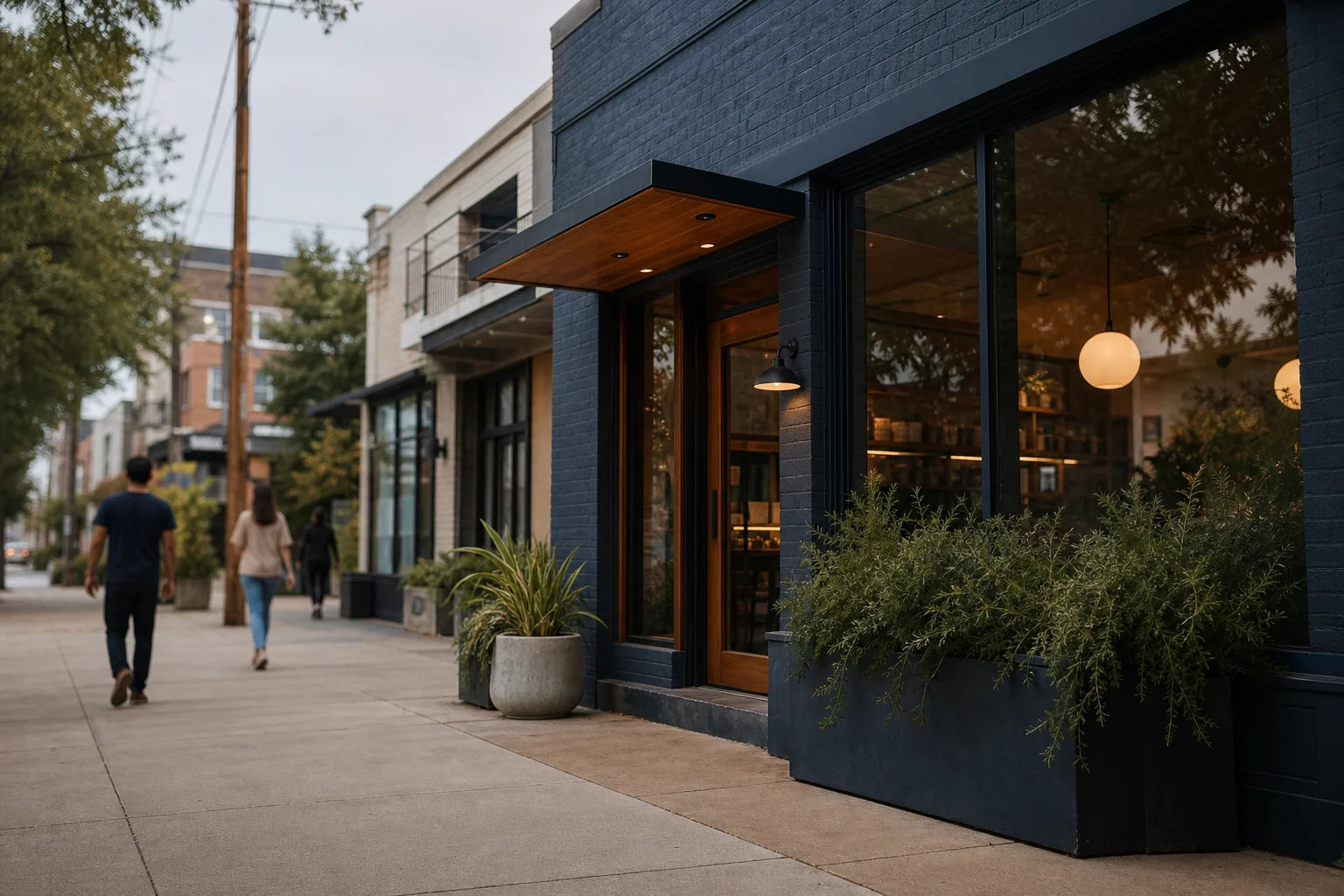
What equipment do you need to open a ice cream shop in Philadelphia?
The core equipment for an ice cream shop in Philadelphia hinges on two factors: product type (hard vs. soft serve, gelato, water ice) and space efficiency. Essential items include freezers (display and storage), a soft-serve machine (if offering that), a batch freezer (for hard ice cream), dipping cabinets, a pasteurizer (for in-house mix), and a display case. Local operators like Surreal Creamery in University City and Van Leeuwen Ice Cream in University City rely on these basics, but their configurations vary based on neighborhood foot traffic and layout. For example, University City's high student and office worker density means prioritizing quick-serve equipment like soft-serve machines to handle rush hours, while Mt Airy's family-friendly vibe might lean toward traditional dipping cabinets for a more relaxed experience.
Buildout cost categories
Plumbing and electrical
Plumbing and electrical work are often the biggest hidden costs in a buildout. Ice cream shops need dedicated water lines for cleaning, three-phase power for large equipment (like batch freezers), and proper drainage for sanitization. Philadelphia's older buildings, common in neighborhoods like Brewerytown (score 5.6/10, rent $21-$70/sqft/yr NNN), may require upgrades to meet code-something to budget for even if not visible upfront. Local contractors familiar with food service setups can help, but always verify with the Philadelphia Department of Licenses and Inspections (L&I) for requirements.
HVAC and ventilation
Ice cream shops generate significant heat and moisture, so HVAC and ventilation are non-negotiable. A commercial-grade system that maintains consistent temperatures (critical for ice cream quality) and removes humidity prevents equipment failure and product spoilage. In Fairmount/Art Museum Area (score 5.7/10, rent $21-$70/sqft/yr NNN), where many shops have patios, ventilation must also handle outdoor seating. Operators like Pink Flamingo Ice Cream Bar in Fairmount note that poor ventilation leads to faster melting and customer complaints-proof of how critical this is.
Flooring and finishes
Flooring must be slip-resistant, easy to clean, and durable. Epoxy or commercial tile are common choices, but in high-rent areas like Chestnut Hill, where Bredenbeck's operates, aesthetics matter too-customers expect a clean, inviting space. Finishes should align with the neighborhood's vibe: University City's student-heavy crowd might prefer a modern look, while Mt Airy's family focus could lean toward warmer, more traditional materials.
Permits-driven items
Permits for food service, plumbing, and electrical are mandatory. In Philadelphia, L&I handles these, but timelines vary. Equipment like grease traps (even for ice cream shops, if serving food) or fire suppression systems may be required. Always check with L&I early-delays here can push back opening dates, especially in competitive neighborhoods like University City.
Furniture and signage
Furniture (tables, chairs, counters) and signage must fit the space and comply with local regulations. In Brewerytown (score 5.6/10, rent $21-$70/sqft/yr NNN), where All Day Hoagies/I Scream For Ice Cream operates, outdoor seating signage must follow city rules. Signage visibility is key in high-foot-traffic areas like University City, where James G. Kaskey Memorial Park draws crowds-make sure it's visible from the street without violating zoning.
Equipment line items to validate in Philadelphia
Beyond basics, validate these line items for Philly's market:
- Pasteurizer: For in-house mix, critical for quality. University City's operators like Surreal Creamery use this to stand out.
- Batch freezer: Hard ice cream requires one; size depends on output. Mt Airy's Scoopful Delights likely uses a smaller model for their neighborhood focus.
- Soft-serve machine: If offering, ensure it's sized for peak demand. Van Leeuwen Ice Cream in University City uses this for quick service.
- Dipping cabinets: Traditional hard ice cream needs these; temperature control is key. Bredenbeck's in Chestnut Hill uses multiple to display flavors.
- Display case: For impulse buys; visibility matters in high-traffic areas like Chestnut Hill's Market at the Fareway.
| Equipment Type | Key Consideration for Philadelphia | Neighborhood Example |
|---|---|---|
| Pasteurizer | In-house mix quality; verify with L&I for water lines | University City (Surreal Creamery) |
| Batch Freezer | Size based on output; energy efficiency for high rent areas | Mt Airy (Scoopful Delights) |
| Soft-Serve Machine | Quick-serve demand; maintenance in busy neighborhoods | University City (Van Leeuwen Ice Cream) |
| Dipping Cabinets | Temperature control; visibility in family-friendly areas | Chestnut Hill (Bredenbeck's) |
| Display Case | Impulse buys; compliance with local signage rules | Fairmount (Pink Flamingo Ice Cream Bar) |
How established operators in Philadelphia configure their kitchens
Local operators offer real-world insights:
- Bredenbeck's Bakery and Ice Cream Parlor (Chestnut Hill): Uses traditional dipping cabinets and a batch freezer, aligning with the neighborhood's family vibe. Their setup prioritizes visibility-key for a mall-adjacent location.
- Surreal Creamery (University City): Focuses on soft-serve and gelato, using compact equipment to fit a smaller space. Their kitchen is designed for speed, catering to students and office workers.
- Van Leeuwen Ice Cream (University City): Blends hard ice cream and soft-serve, with a display case near the entrance to attract passersby. Their layout maximizes foot traffic from 30th St transit.
These setups reflect neighborhood dynamics: family areas (Chestnut Hill) lean traditional, while student-heavy areas (University City) prioritize speed and compactness.
Used vs. new vs. lease
Used equipment is common in Philadelphia, especially for startups. Local suppliers or online marketplaces (like Restaurant Equipment World) offer deals, but inspect thoroughly-older models may have hidden issues. Leasing is an option for high-cost items (like batch freezers), but compare total costs over time. New equipment guarantees reliability, which is critical in Philly's competitive market where downtime hurts reputation.
Buildout timeline
A typical buildout follows phases: design (a variable local timeline), permits (a variable local timeline), construction (a variable local timeline), equipment installation (a variable local timeline), and inspections (a variable local timeline). Delays often come from permit reviews or unexpected plumbing/electrical issues-common in older Philly buildings. Start early, especially in high-demand neighborhoods like University City, where contractors may be booked.
Common buildout overruns
- Plumbing/electrical upgrades: Older buildings (e.g., Brewerytown) may need rewiring or new water lines.
- Permit delays: L&I reviews can take longer than expected; factor in buffer time.
- Equipment size mismatches: Buying too large a freezer for a small space (like Mt Airy's $21-$70/sqft/yr NNN rent) wastes money and space.
- Finishing touches: Signage or flooring that goes over budget-stick to neighborhood norms (e.g., modern in University City, traditional in Chestnut Hill).
FAQ
Q: Do I need a pasteurizer for my ice cream shop in Philadelphia?
A: If making in-house mix, yes. Philadelphia's health codes require pasteurization for dairy products. University City's Surreal Creamery uses one to ensure compliance and quality.
Q: How do I choose between hard ice cream and soft-serve in Philadelphia?
A: Hard ice cream suits family-friendly areas like Chestnut Hill (Bredenbeck's), while soft-serve works for high-traffic spots like University City (Van Leeuwen Ice Cream). Test demand with pop-ups first.
Q: What permits do I need for an ice cream shop in Philadelphia?
A: Food service, plumbing, and electrical permits from L&I. Check for additional requirements like grease traps (if serving food) or outdoor seating signage. Always verify with L&I early.
Last reviewed: 2026-05-30
Sources: U.S. Census Bureau ACS, LEHD LODES, Google Places, OpenStreetMap, Locavisor neighborhood scoring.
Methodology: Locavisor scores neighborhoods across demand, competition fit, rent fit, accessibility, and customer match. Scores reflect a snapshot of recent data and should be combined with on-the-ground research before lease decisions.
Disclaimer: This article provides informational content only and does not constitute legal, financial, accounting, or real-estate advice. Verify lease terms, licensing, local regulations, costs, and professional requirements with qualified local professionals before making business decisions.
Free preview shows top 3 neighborhoods. Full $9.99 report covers all 10 areas with personalized scoring + 90-day check-ins.
Informational only. Verify lease, licensing, local regulations, costs, and professional requirements with qualified local professionals.