San Diego, CA · ice cream shop
Ice cream shop equipment costs San Diego
Planning your ice cream shop equipment costs in San Diego requires understanding both your operational needs and local market conditions. The San Diego ice cream market shows promising temperature with medium competition density and low rent levels, according to Locavisor neighborhood scoring. This combination suggests opportunities for new entrants, but equipment planning must align with your specific location and business model.
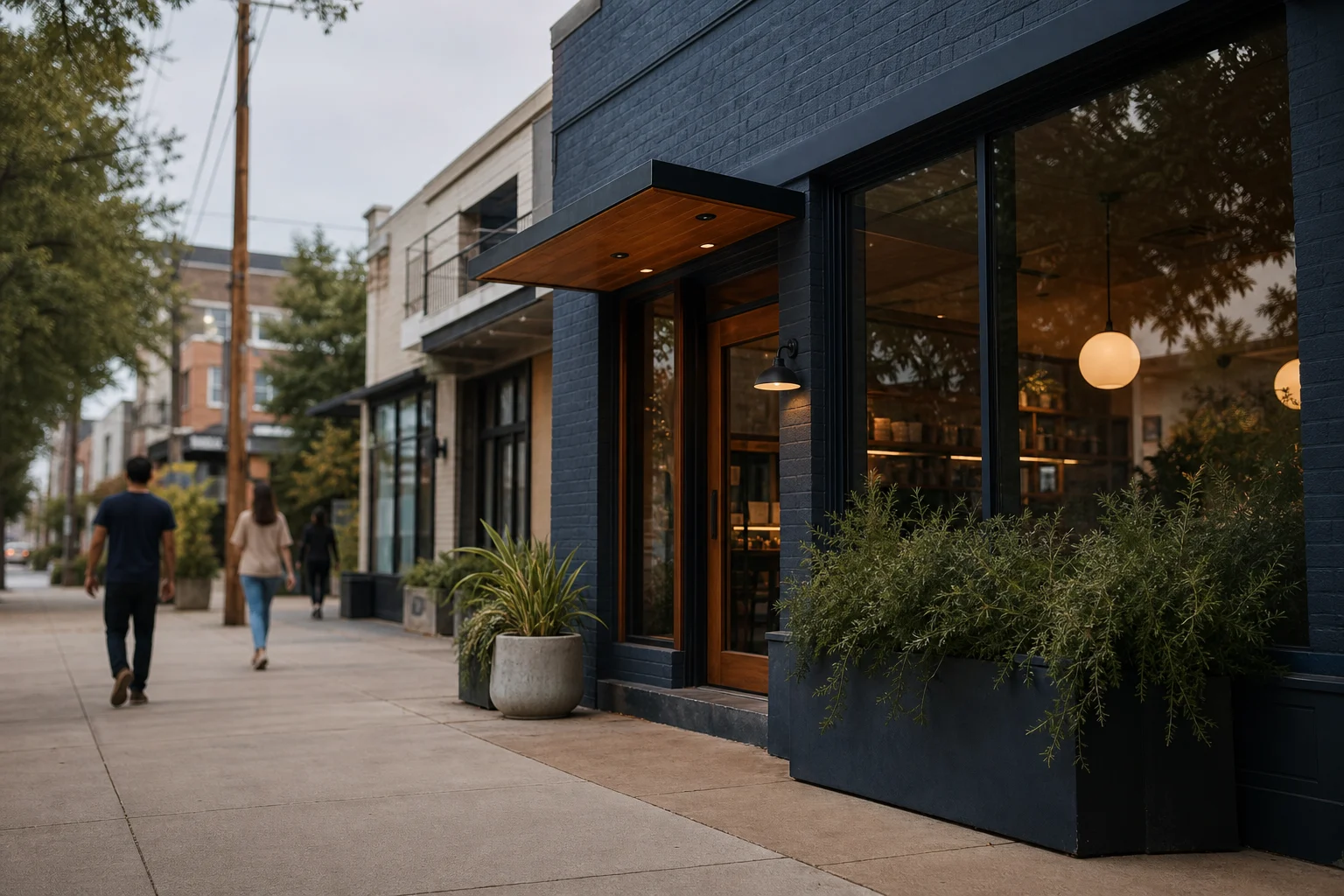
Equipment categories by launch format
Your equipment needs will vary significantly based on your chosen format. A full-service ice cream shop with seating requires different equipment than a counter-service operation or a mobile kiosk. In San Diego's competitive landscape, your format choice directly impacts both initial investment and ongoing operational costs.
University City / UTC presents an interesting challenge with its premium ice cream battleground status. With Salt & Straw (4.7★), Van Leeuwen (4.9★), and Hanna's Creamery (4.5★) all within 300m, you'll need equipment that supports premium production and service to compete effectively. This area's UCSD-adjacent location with maxed-out walkability, office density, and student presence demands equipment that can handle high-volume periods while maintaining quality.
Old Town's tourist-anchored historic district offers a different dynamic. With Cold Stone (4.1★), Korky's (4.2★), and Old Town Ice Cream (3.7★) already established, there's room for a premium independent concept. Your equipment should reflect this positioning while accommodating tourist traffic patterns. The moderate rent level of roughly $30-50/sqft NNN in this neighborhood corridor allows for more substantial equipment investment compared to higher-rent areas.
Downtown / Gaslamp Quarter presents a unique opportunity with its strong evening daypart and late-night potential. Equipment here must support extended hours and potentially a late-night ice cream window (10pm-1am). With competitors like Cali Cream (4.7★), Ghirardelli (4.6★), Galata Turkish (4.8★), and Insomnia Cookies (3.8★) within 600m, your equipment should enable efficient operations during peak evening hours.
Buildout assumptions that change the budget
Buildout requirements significantly impact your overall equipment budget. The extent of construction needed depends heavily on your chosen space and its existing conditions. San Diego's rent levels vary by location, directly affecting how much you can allocate to equipment versus buildout.
In University City / UTC, where rent levels are low, you might have more budget flexibility for premium equipment. However, the area's premium ice cream battleground status suggests that buildout should create an environment that justifies premium pricing. The existing competitors within 300m set a high bar for both ambiance and product quality.
Old Town's moderate rent level of roughly $30-50/sqft NNN presents a balanced approach. You can invest in quality equipment while maintaining an attractive buildout that appeals to tourists. The neighborhood's historic character might require specific buildout elements that could impact equipment placement and utility requirements.
Downtown / Gaslamp Quarter's moderate rent of roughly $30-50/sqft NNN for a downtown corridor requires careful budget allocation. The area's nightlife focus means your buildout must support both daytime and evening operations. Equipment placement should consider flow patterns during different dayparts, potentially requiring more flexible installations than in other areas.
New vs used equipment tradeoffs
The decision between new and used equipment affects both initial investment and long-term reliability. In San Diego's promising market, this tradeoff requires careful consideration of your budget constraints and operational needs.
New equipment offers the latest technology, energy efficiency, and warranty protection. In competitive areas like University City / UTC with its three established premium ice cream competitors, new equipment can provide consistency and quality advantages. However, the higher upfront cost might strain your budget, especially when combined with buildout expenses.
Used equipment presents significant cost savings but comes with potential reliability concerns. In areas like Old Town, where you're positioning as a premium independent concept among mid-tier operators, carefully selected used equipment might suffice while freeing budget for other aspects of your business. The key is thorough inspection and understanding the equipment's history and maintenance records.
The market temperature and competition density should guide your decision. In a promising market with medium competition, investing in reliable equipment that ensures consistent product quality might outweigh the cost savings of used equipment. However, in areas with higher rent levels, the budget constraints might make used equipment a more practical choice.
What to inspect in a second-generation space
When evaluating existing spaces for your ice cream shop, thorough inspection of existing infrastructure can save significant equipment costs. The specific conditions of each location in San Diego's top three areas present different opportunities and challenges.
In University City / UTC, look for existing refrigeration and electrical systems that might support ice cream operations. The area's premium ice cream battleground status means previous tenants might have installed quality equipment that could be repurposed. However, verify that any existing equipment meets current health codes and can support your specific production needs.
Old Town's tourist-anchored historic district might present spaces with unique character but potentially outdated infrastructure. When inspecting second-generation spaces, pay special attention to electrical capacity for multiple freezers and refrigeration units. The area's moderate rent level suggests that previous tenants might not have invested heavily in premium equipment, creating opportunities for strategic upgrades.
Downtown / Gaslamp Quarter's nightlife corridor requires special attention to ventilation and exhaust systems. Existing spaces might have been configured for different types of food service, requiring modifications for ice cream production. The area's extended operating hours mean equipment must be robust enough to handle continuous use, so inspect motors, compressors, and other critical components carefully.
Regardless of location, always verify that existing equipment can be serviced locally. San Diego's market conditions might change, but reliable local support for your equipment remains essential for long-term operations.
FAQ
What equipment do I need for An Ice Cream Shop in San Diego?
Your ice cream shop will require several categories of equipment: refrigeration (reach-in freezers, display cases), preparation equipment (batch freezers, pasteurizers, mixers), serving equipment (scoops, dipping cabinets), point-of-sale systems, and ancillary items (storage shelving, worktables). The specific equipment needs depend on your chosen format and production volume.
How does location affect my equipment budget in San Diego?
Location impacts equipment budget through rent levels and competition density. Areas with lower rent levels like University City / UTC allow more budget for premium equipment, while higher-rent areas might require more cost-effective solutions. Competition density also influences equipment needs, as premium areas may require more sophisticated equipment to compete effectively.
Should I buy new or used equipment for my San Diego ice cream shop?
The new vs used equipment decision depends on your budget constraints and operational needs. New equipment offers reliability and warranty protection but comes with higher upfront costs. Used equipment provides cost savings but requires careful inspection and potential maintenance. Consider San Diego's promising market temperature when making this decision.
What buildout considerations affect my equipment planning?
Buildout requirements significantly impact equipment planning. Electrical capacity, ventilation systems, floor drainage, and utility connections all influence equipment placement and selection. The specific conditions of your chosen space in San Diego's top three areas will determine buildout needs and associated equipment requirements.
How does San Diego's market temperature affect my equipment investment?
San Diego's promising market temperature suggests growth potential, which might justify investing in higher-quality equipment that can scale with your business. However, the medium competition density means you must carefully balance equipment quality with budget constraints to maintain competitive pricing while ensuring product quality.
Last reviewed: 2026-05-08
Sources: U.S. Census Bureau ACS, LEHD LODES, Google Places, OpenStreetMap, Locavisor neighborhood scoring.
Methodology: Locavisor scores neighborhoods across demand, competition fit, rent fit, accessibility, and customer match. Scores reflect a snapshot of recent data and should be combined with on-the-ground research before lease decisions.
Disclaimer: This article provides informational content only and does not constitute legal, financial, accounting, or real-estate advice. Verify lease terms, licensing, local regulations, costs, and professional requirements with qualified local professionals before making business decisions.
Free preview shows top 3 neighborhoods. Full $9.99 report covers all 10 areas with personalized scoring + 90-day check-ins.
Informational only. Verify lease, licensing, local regulations, costs, and professional requirements with qualified local professionals.