San Jose, CA · ice cream shop
Ice cream shop equipment costs San Jose
For ice cream shop founders in San Jose, understanding equipment costs is crucial for planning your startup budget. The right equipment decisions impact both initial investment and ongoing operational efficiency. San Jose's market temperature is mixed with medium competition density and low rent levels, creating an interesting landscape for new ice cream businesses. 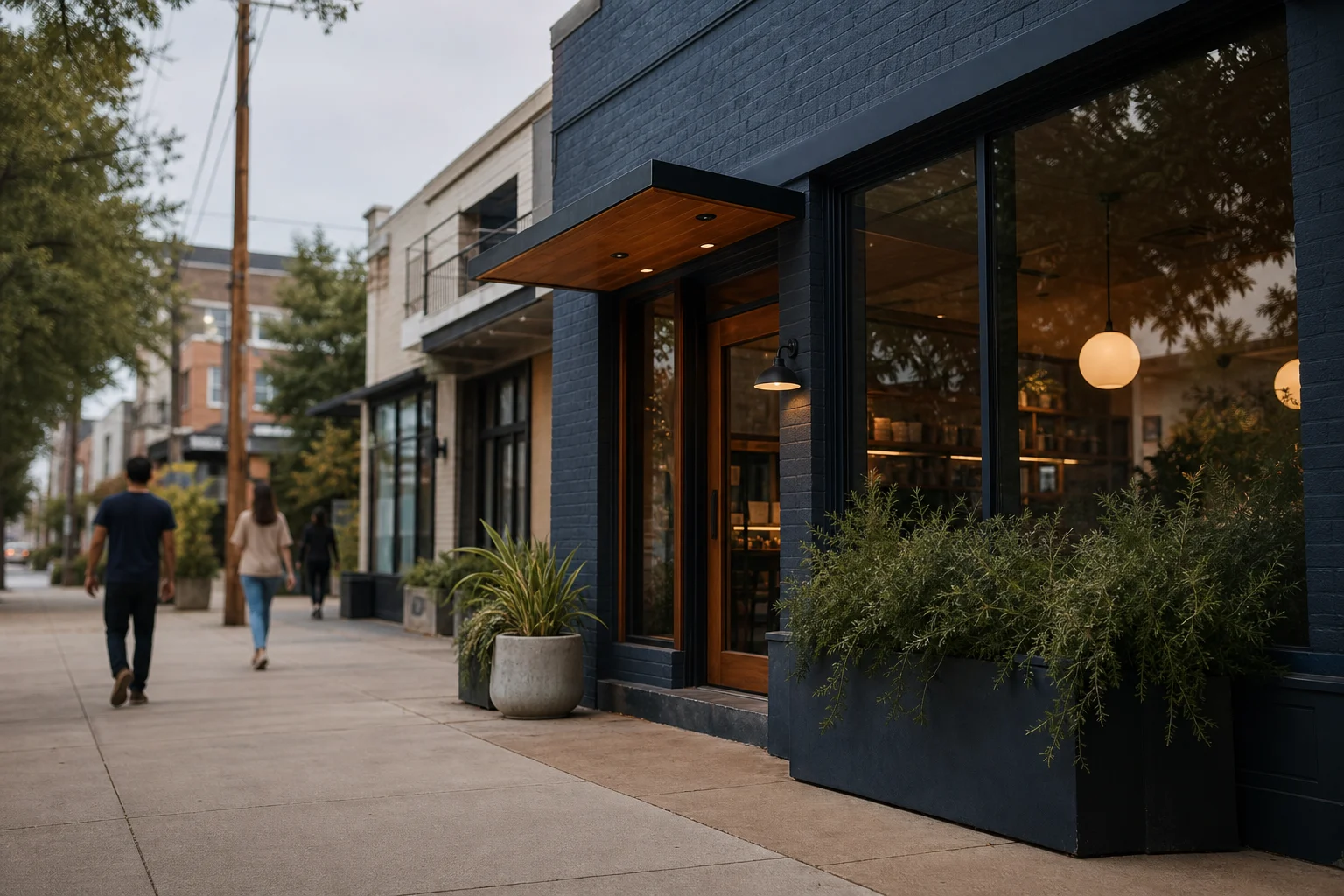
Equipment categories by launch format
Ice cream shop equipment needs vary significantly based on your chosen format. A full-service shop with seating requires different equipment than a counter-service operation or a mobile ice cream cart. The equipment categories generally include refrigeration, preparation, serving, and storage systems.
Refrigeration represents one of the largest capital expenditures. Commercial freezers and display cases must meet health department requirements while maintaining optimal temperatures for ice cream quality. In San Jose's Downtown area, where rent levels are low at $45-70/sqft NNN, you might allocate more budget to premium refrigeration that enhances customer experience.
Preparation equipment includes batch freezers for making ice cream, pasteurizers, and mixers. The scale of your operation determines whether you'll need small batch units for artisanal production or larger commercial systems. Japantown's strong evening vibrancy suggests potential for higher-volume operations during peak hours.
Serving equipment encompasses everything from POS systems to dipping cabinets and serving utensils. Little Saigon's existing ice cream competitors—Marco Polo Italian Ice Cream (4.6★, 297 reviews) and a Baskin-Robbins (4.5★, 221 reviews)—indicate that quality serving equipment can help differentiate your business in a competitive market.
Storage solutions include walk-in coolers, dry storage areas, and shelving systems. The highest retail anchor score in Little Saigon means you'll need efficient storage to handle potentially higher inventory volumes.
Buildout assumptions that change the budget
Buildout requirements vary dramatically based on your location's condition and your chosen aesthetic. Downtown San Jose's San Pedro Square Market and SJSU provide built-in foot traffic, but the space condition will significantly impact your buildout budget.
A ground-up buildout in a raw space requires substantial investment in plumbing, electrical work, flooring, walls, and ceilings. Japantown's historic Jackson St corridor might present unique challenges with older building infrastructure that could increase renovation costs.
Second-generation spaces often come with existing infrastructure that can reduce buildout expenses. However, you'll need to evaluate whether the existing layout supports your operational flow and customer experience goals. Downtown San Jose's zero direct ice-cream competitors within the core suggest an opportunity to create a distinctive environment that attracts customers.
Health department requirements impact buildout decisions, particularly regarding flooring, wall surfaces, and ventilation systems. These non-negotiable elements affect your budget regardless of location. Japantown's zero direct ice-cream competitors means you'll be establishing new health department protocols for your specific operation.
Front-of-house elements like seating, lighting, and decor significantly influence customer perception and dwell time. Downtown San Jose's strong evening and late-night daypart scores suggest that creating an inviting atmosphere could extend customer visits during these periods.
New vs used equipment tradeoffs
New equipment offers the latest technology, energy efficiency, and full manufacturer warranties. In San Jose's low rent environment, investing in energy-efficient equipment could provide long-term operational savings. Downtown San Jose's neighborhood-corridor pricing of $45-70/sqft NNN might allow for higher equipment quality without excessive space costs.
Used equipment represents significant cost savings but comes with potential reliability concerns. Japantown's excellent walkability and strong evening vibrancy might justify investing in newer equipment that can handle peak demand periods without breakdowns.
Lease-purchase arrangements spread equipment costs over time, improving cash flow. Little Saigon's high retail anchor score and family density suggest steady customer traffic that could support this financing approach.
Equipment financing options vary based on your credit profile and business plan strength. The mixed market temperature in San Jose means lenders may have varying comfort levels with ice cream shop investments.
Maintenance costs should factor into your equipment decisions, regardless of whether you choose new or used options. Downtown San Jose's zero direct ice-cream competitors within the core means you'll be establishing maintenance protocols without direct competitor benchmarks.
What to inspect in a second-generation space
When evaluating existing ice cream shop spaces, focus on the condition of critical infrastructure. Plumbing for ice cream equipment requires specific water pressure and drainage capabilities. Japantown's historic Jackson St corridor might have older plumbing systems that need evaluation.
Electrical systems must handle the power demands of commercial refrigeration and freezing equipment. Little Saigon's existing ice cream shops indicate that the electrical infrastructure can support these operations, but you should verify capacity for your specific needs.
Flooring must withstand constant moisture and temperature fluctuations. Downtown San Jose's San Pedro Square Market likely has commercial-grade flooring, but condition varies between spaces.
Refrigeration infrastructure in existing spaces may or may not meet your needs. Japantown's zero direct ice-cream competitors means you'll likely need to install new refrigeration regardless of the space condition.
Storage capacity should align with your inventory requirements. Little Saigon's family density suggests potential for higher product volume, requiring adequate storage space.
Ventilation systems must handle both customer comfort and equipment heat output. Downtown San Jose's strong evening and late-night daypart scores indicate longer operating hours, making ventilation critical.
Health department compliance history should be reviewed for any existing space. Japantown's historic buildings might have specific requirements that impact your buildout plans.
FAQ
What equipment do I need for An Ice Cream Shop in San Jose?
Essential equipment for an ice cream shop in San Jose includes commercial refrigeration units, batch freezers, pasteurizers, mixers, display cases, POS systems, serving utensils, and storage solutions. The specific equipment needs depend on your chosen format—whether you're making ice cream on-site, offering pre-made products, or focusing on specialty items. Downtown San Jose's zero direct ice-cream competitors within the core suggests an opportunity to customize your equipment selection based on your unique product offering.
How does location affect equipment needs in San Jose?
Location impacts equipment needs through customer volume, operating hours, and competition. Downtown San Jose's strong evening and late-night daypart scores indicate potential for higher-volume operations during these periods, requiring more robust equipment. Japantown's excellent walkability suggests steady foot traffic that could support smaller batch production. Little Saigon's existing ice cream competitors mean you'll need equipment that can differentiate your products in a crowded market.
What buildout factors should I consider before signing a lease?
Before signing a lease, evaluate the existing infrastructure including plumbing, electrical systems, flooring, and ventilation. Consider how the space layout supports your operational flow and customer experience goals. Downtown San Jose's $45-70/sqft NNN rent levels provide budget flexibility for buildout, but Japantown's historic buildings might present unique renovation challenges. Health department requirements must be factored into all buildout decisions, regardless of location.
Should I buy new or used equipment for my San Jose ice cream shop?
New equipment offers the latest technology and energy efficiency but comes with higher upfront costs. Used equipment provides cost savings but may require more maintenance. In San Jose's low rent environment, investing in energy-efficient new equipment could provide long-term operational savings. Japantown's strong evening vibrancy suggests that reliable equipment that can handle peak demand periods is worth the investment.
How does San Jose's market temperature affect equipment planning?
San Jose's mixed market temperature means equipment decisions should balance initial investment with operational flexibility. The medium competition density suggests opportunities for differentiation through specialized equipment. Downtown San Jose's neighborhood-corridor pricing of $45-70/sqft NNN allows for equipment investments that enhance customer experience without excessive space costs. Little Saigon's high retail anchor score indicates potential for steady customer traffic that supports quality equipment investments.
Last reviewed: 2026-05-08
Sources: U.S. Census Bureau ACS, LEHD LODES, Google Places, OpenStreetMap, Locavisor neighborhood scoring.
Methodology: Locavisor scores neighborhoods across demand, competition fit, rent fit, accessibility, and customer match. Scores reflect a snapshot of recent data and should be combined with on-the-ground research before lease decisions.
Disclaimer: This article provides informational content only and does not constitute legal, financial, accounting, or real-estate advice. Verify lease terms, licensing, local regulations, costs, and professional requirements with qualified local professionals before making business decisions.
Free preview shows top 3 neighborhoods. Full $9.99 report covers all 10 areas with personalized scoring + 90-day check-ins.
Informational only. Verify lease, licensing, local regulations, costs, and professional requirements with qualified local professionals.