Seattle, WA · ice cream shop
Ice cream shop equipment costs Seattle
Opening an ice cream shop in Seattle requires careful planning of equipment and buildout to match your concept and budget. The ice cream shop equipment costs Seattle market varies significantly based on location, format, and equipment quality. Before diving into equipment specifics, it's crucial to understand the local market dynamics that will influence your decisions.
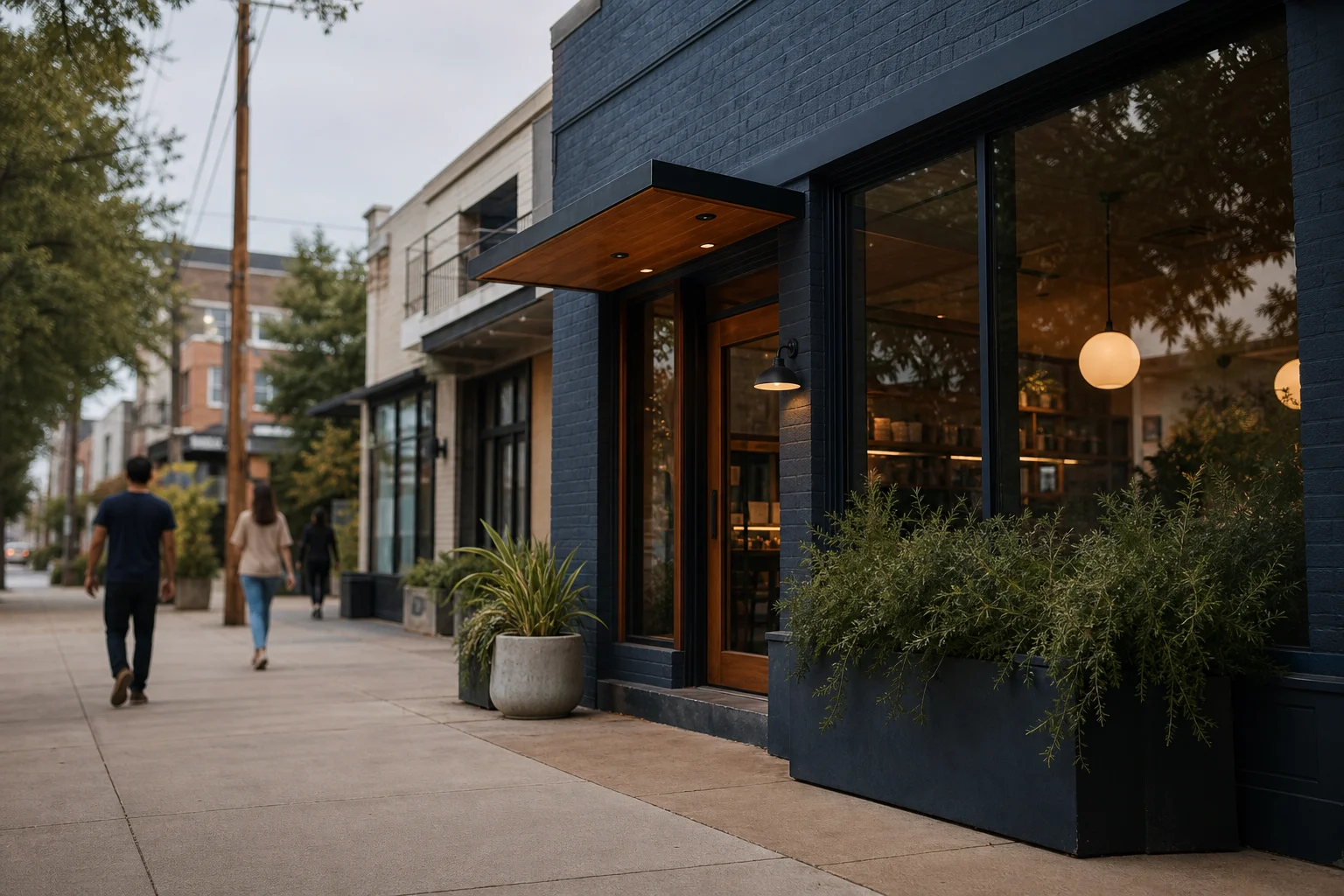
Equipment categories by launch format
Your ice cream shop equipment needs will vary based on your chosen format. A full-service shop with seating requires different equipment than a counter-service operation or a mobile cart. The International District / Chinatown-ID area presents an opportunity for a format that leverages the heavy foot traffic from Uwajimaya, light rail, and tourist draws like the Historic Chinatown Gate. With zero direct competitors within the district, you can choose a format that best utilizes the space and customer flow.
Core equipment categories include refrigeration units, preparation stations, serving equipment, and storage solutions. Each category has multiple options that affect both functionality and budget. For instance, in Pioneer Square, where competition density is medium with three existing ice cream shops within 800m (Molly Moon's at 4.4★/160 reviews, Seattle Bay Creamery at 2.7★/127 reviews, Ben & Jerry's at 4.6★/5 reviews), your equipment choices should help differentiate your offering while managing costs.
Capitol Hill's strong evening/bar culture suggests equipment that supports efficient service during peak hours. While no dedicated ice cream shops were found in the immediate search area, adjacent dessert operators like Yumm Mochi (4.6★, 304 reviews) and Top Pot Doughnuts (4.6★, 472 reviews) indicate a market that values quality and quick service.
Buildout assumptions that change the budget
Buildout requirements significantly impact your ice cream shop equipment costs Seattle planning. The rent level in your chosen location directly affects how much you can allocate to buildout. In International District / Chinatown-ID, rent is moderate for Seattle — expect roughly $30-50/sqft NNN — which allows for more substantial buildout compared to higher-rent areas.
Pioneer Square's high office density creates strong weekday lunch dessert demand from the 9-5 workforce. This suggests a buildout that prioritizes efficient service during lunch hours while maintaining appeal for after-work customers. The existing competition in this area means your buildout should create a distinct customer experience.
Capitol Hill's maxed-out office density and strong evening/bar culture require a buildout that can handle both daytime office workers and evening bar crowds. The absence of dedicated ice cream shops in this area presents an opportunity to create a space that specifically addresses the needs of this customer base.
When planning your buildout, consider how the physical layout will impact equipment placement and workflow efficiency. A well-designed space reduces the need for expensive modifications later and ensures smooth operations once you're open.
New vs used equipment tradeoffs
The decision between new and used equipment affects your ice cream shop equipment costs Seattle budget in significant ways. New equipment offers the latest technology, full warranties, and energy efficiency, but comes with a higher upfront cost. Used equipment can reduce initial expenses but may require more maintenance and lack warranty coverage.
In the International District / Chinatown-ID area, with a promising market temperature and zero direct competitors, investing in new equipment might be justified to establish quality standards from the start. The moderate rent level provides some budget flexibility for this approach.
Pioneer Square's competitive field suggests a more balanced approach. With three existing ice cream shops nearby, using a mix of new and used equipment could help manage costs while still delivering quality. The high office density creates consistent demand that can support this approach.
Capitol Hill's strong dessert demand from adjacent operators indicates that customers value quality. In this market, investing in key new equipment items that directly impact product quality might be worth the additional cost, while using used equipment for less critical items.
When evaluating used equipment, consider its age, maintenance history, and compatibility with your specific needs. Some equipment categories, like refrigeration units, may be worth the investment in new units due to energy efficiency and reliability concerns.
What to inspect in a second-generation space
If you're considering taking over an existing ice cream shop, thorough inspection of the space and existing equipment is crucial. In Pioneer Square, where competition density is medium, evaluating the existing setup can help you understand what works and what needs improvement.
When inspecting a second-generation space, check the condition of existing equipment, including refrigeration units, preparation surfaces, and electrical systems. Verify that the layout supports your intended operations and customer flow. The existing infrastructure may save you significant buildout costs, but only if it meets your needs.
In International District / Chinatown-ID, where zero direct competitors exist within the district, a second-generation space might offer established foot traffic while allowing you to differentiate through equipment upgrades and operational changes. The moderate rent level provides budget room for strategic improvements.
Capitol Hill's strong evening/bar culture means that any second-generation space should be evaluated for its ability to handle peak hours. Check if the existing equipment can maintain efficiency during busy periods and if the layout supports both daytime and evening operations.
Before committing to a second-generation space, consider the cost of necessary upgrades and how they fit into your overall budget. Sometimes, starting fresh in a space that requires complete buildout may be more cost-effective in the long run.
FAQ
What equipment do I need for An Ice Cream Shop in Seattle?
Your ice cream shop will require several categories of equipment: refrigeration units (for storage and display), preparation stations, freezing equipment (batch freezers or soft-serve machines), serving equipment (scoops, cones, cups), and storage solutions. The specific equipment needs depend on your format, menu, and volume expectations.
How does location affect equipment planning for an ice cream shop in Seattle?
Location impacts equipment planning through space constraints, customer expectations, and operational demands. For example, the International District / Chinatown-ID area's heavy foot traffic requires equipment that supports efficient service, while Pioneer Square's office lunch crowd demands equipment optimized for quick turnover during peak hours.
What's the most important equipment investment for a new ice cream shop?
The most critical equipment investment typically involves your freezing and refrigeration systems. These directly impact product quality and consistency. In Seattle's competitive market, reliable freezing equipment that maintains proper temperatures is essential for delivering consistent product quality.
How can I reduce equipment costs without compromising quality?
Consider a strategic mix of new and used equipment, focusing new purchases on items that directly impact product quality and customer experience. Used equipment for less critical items like storage shelving or some preparation surfaces can reduce costs while maintaining quality standards.
What should I look for when evaluating used ice cream shop equipment?
When evaluating used equipment, check for signs of wear, maintenance history, energy efficiency ratings, and compatibility with your needs. Test equipment thoroughly before purchase and verify that replacement parts are readily available. Professional inspection is recommended for major equipment items like batch freezers or refrigeration units.
Last reviewed: 2026-05-08
Sources: U.S. Census Bureau ACS, LEHD LODES, Google Places, OpenStreetMap, Locavisor neighborhood scoring.
Methodology: Locavisor scores neighborhoods across demand, competition fit, rent fit, accessibility, and customer match. Scores reflect a snapshot of recent data and should be combined with on-the-ground research before lease decisions.
Disclaimer: This article provides informational content only and does not constitute legal, financial, accounting, or real-estate advice. Verify lease terms, licensing, local regulations, costs, and professional requirements with qualified local professionals before making business decisions.
Free preview shows top 3 neighborhoods. Full $9.99 report covers all 10 areas with personalized scoring + 90-day check-ins.
Informational only. Verify lease, licensing, local regulations, costs, and professional requirements with qualified local professionals.