Atlanta, GA · juice and smoothie bar
Juice and smoothie bar equipment costs Atlanta
Planning your juice and smoothie bar equipment costs in Atlanta requires careful consideration of format, location, and buildout approach. The juice and smoothie bar equipment costs in Atlanta vary significantly based on your chosen business model and the specific neighborhood you select. Understanding these variables is crucial for creating a realistic budget that aligns with Atlanta's competitive market landscape and your business goals.
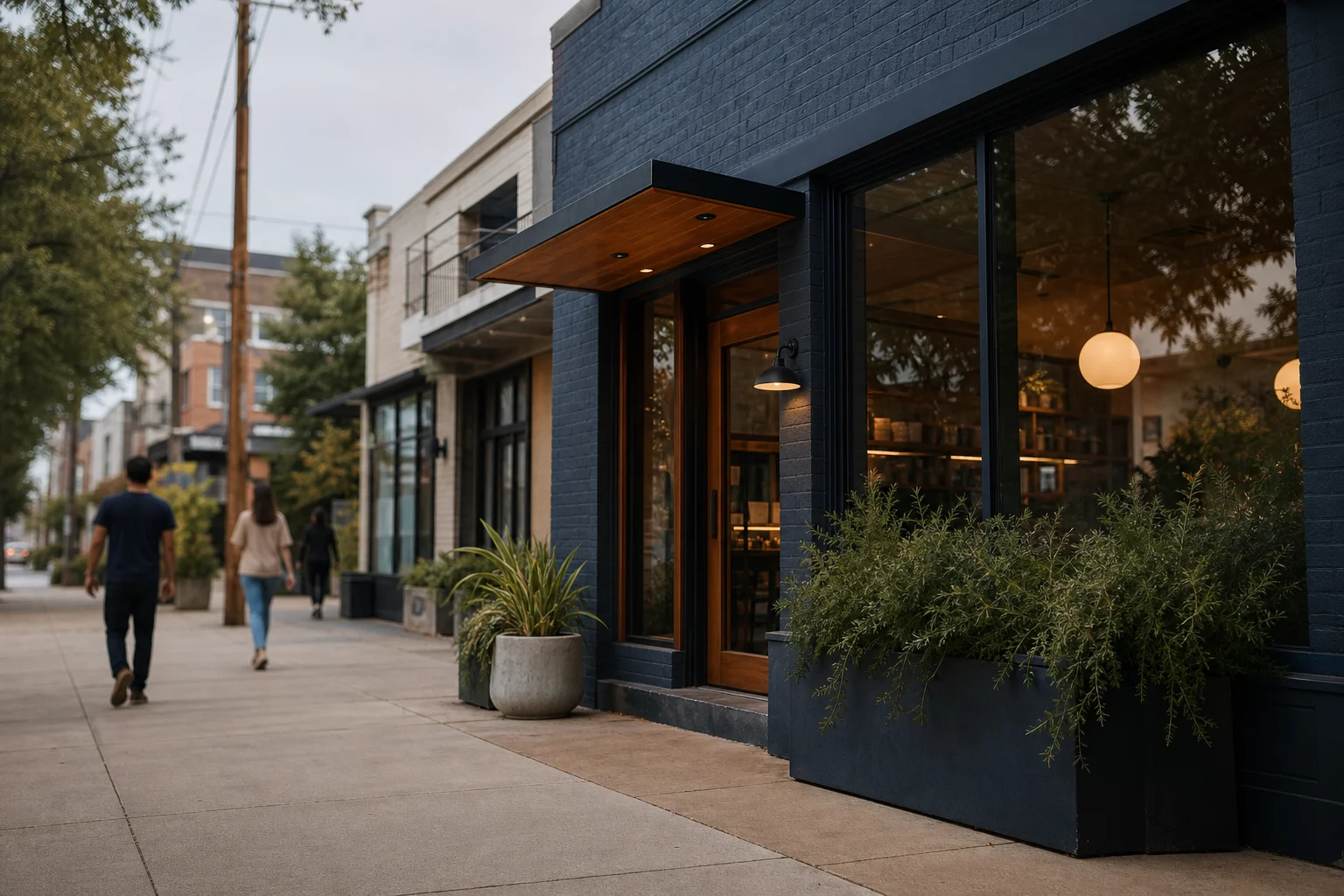
Equipment categories by launch format
When planning your juice and smoothie bar in Atlanta, your equipment needs will largely depend on your chosen format. The three primary formats—full-service bar, kiosk, and grab-and-go—each require different equipment investments that impact your initial startup costs.
A full-service juice and smoothie bar typically requires commercial-grade blenders, juicers, refrigeration units, point-of-sale systems, and customer seating. This format allows for the widest menu variety but demands the highest equipment investment. In Atlanta's high-rent areas like Atlantic Station and Downtown, where rent reaches $90-140/sqft NNN, the equipment budget becomes even more critical to your unit economics.
A kiosk format reduces space requirements and therefore equipment needs. You'll still need quality blenders and juicers, but refrigeration can be smaller, and seating isn't required. This format works well in locations like Smyrna/Vinings where rent is moderate at $45-70/sqft NNN, allowing for a more focused equipment budget.
Grab-and-go operations require minimal equipment—primarily high-performance blenders, refrigeration for pre-made items, and efficient packaging systems. This format is ideal for high-traffic areas with limited space, such as near Georgia State University in Downtown Atlanta where you can serve the 30,000+ student population without the overhead of a full-service operation.
Buildout assumptions that change the budget
Your buildout approach significantly impacts equipment costs for a juice and smoothie bar in Atlanta. New construction allows for optimal equipment placement and workflow but comes with higher initial costs. In Atlanta's competitive market, particularly in high-rent areas like Atlantic Station, new buildout can represent 20-30% of your total startup investment.
Retrofitting an existing space often reduces buildout costs but may require compromises on equipment placement and workflow. When evaluating second-generation spaces in Atlanta's established juice markets like Downtown—where five existing juice-smoothie operators already operate within 800m—you'll need to assess whether existing equipment meets your quality standards or if a complete replacement is necessary.
The physical constraints of your chosen location will also dictate equipment needs. In walkable areas like Atlantic Station with 10,500+ weekday office workers within 800m, customer flow considerations may influence your equipment layout and capacity needs. Conversely, in car-dependent locations like Smyrna/Vinings, equipment efficiency becomes more important than customer-facing aesthetics.
New vs used equipment tradeoffs
The decision between new and used equipment represents a significant consideration for juice and smoothie bar startup costs in Atlanta. New equipment offers reliability, warranty protection, and energy efficiency but comes with a higher price tag. In Atlanta's high-rent markets, where every dollar counts, this upfront investment may strain your capital reserves.
Used equipment can reduce initial costs by 30-50% but carries risks of shorter lifespan and potential maintenance issues. When considering used equipment in Atlanta's competitive juice market—particularly in areas like Downtown with established operators like Smoothie King (4.0★, 293 reviews) and Centennial Juice Bar (4.8★, 17 reviews)—you must balance cost savings against potential downtime and inconsistent product quality.
The age and condition of used equipment require careful evaluation. In Atlanta's promising market temperature, where consumer expectations for quality are high, equipment reliability directly impacts your ability to build a positive reputation. A single equipment failure during peak hours could damage customer perception and affect your ability to compete with established players.
What to inspect in a second-generation space
When considering a second-generation space for your juice and smoothie bar in Atlanta, a thorough equipment inspection is essential. The existing equipment may offer cost savings, but only if it meets your operational standards and menu requirements.
Begin by evaluating the age and maintenance history of refrigeration units, which are critical for maintaining ingredient freshness. In Atlanta's warm climate, refrigeration reliability is non-negotiable. Check for proper insulation, door seals, and compressor performance—factors that directly impact your ability to maintain product quality.
Blenders and juicers require particular attention. Test all equipment under load conditions to assess performance and noise levels. In competitive Atlanta markets like Atlantic Station, where zero direct competitors exist within the master-planned mixed-use hub, equipment reliability becomes even more critical as you establish your brand from scratch.
Plumbing and electrical infrastructure supporting the equipment should be thoroughly inspected. In older Atlanta buildings, particularly in areas like Downtown, outdated systems may not support modern juice and smoothie bar equipment demands. The cost of upgrading these systems could offset any equipment-related savings.
FAQ
What equipment do I need for a juice and smoothie bar in Atlanta?
The essential equipment for a juice and smoothie bar in Atlanta includes commercial-grade blenders, juicers (centrifugal or masticating depending on your menu), refrigeration units (reach-in and possibly walk-in), ice machines, sinks with both hand washing and ingredient preparation stations, a point-of-sale system, and packaging supplies. Your specific needs will vary based on your chosen format and menu complexity.
How does Atlanta's market temperature affect equipment planning?
Atlanta's promising market temperature suggests strong consumer demand for juice and smoothie options, which may justify investing in higher-quality equipment that can handle increased volume. However, the medium competition density means you'll need equipment that allows you to differentiate your offerings from existing players.
Should I prioritize equipment quality in high-rent Atlanta areas?
In high-rent areas like Atlantic Station and Downtown where rent reaches $90-140/sqft NNN, equipment quality becomes even more critical. Reliable equipment minimizes downtime and maintenance costs, which is essential when every square foot of expensive space must generate maximum revenue.
How does location affect my equipment needs in Atlanta?
Your location significantly impacts equipment needs. In walkable areas like Atlantic Station with high foot traffic, you may prioritize customer-facing equipment and presentation. In car-dependent areas like Smyrna/Vinings, equipment efficiency and speed become more important than aesthetics.
Can I reduce equipment costs by choosing a suburban Atlanta location?
Suburban locations like Smyrna/Vinings with moderate rent at $45-70/sqft NNN may allow for equipment cost reductions, but you must balance this with potential differences in customer expectations and menu preferences. Suburban customers may expect different equipment capabilities than their urban counterparts.
Last reviewed: 2026-05-08
Sources: U.S. Census Bureau ACS, LEHD LODES, Google Places, OpenStreetMap, Locavisor neighborhood scoring.
Methodology: Locavisor scores neighborhoods across demand, competition fit, rent fit, accessibility, and customer match. Scores reflect a snapshot of recent data and should be combined with on-the-ground research before lease decisions.
Disclaimer: This article provides informational content only and does not constitute legal, financial, accounting, or real-estate advice. Verify lease terms, licensing, local regulations, costs, and professional requirements with qualified local professionals before making business decisions.
Free preview shows top 3 neighborhoods. Full $9.99 report covers all 10 areas with personalized scoring + 90-day check-ins.
Informational only. Verify lease, licensing, local regulations, costs, and professional requirements with qualified local professionals.