Austin, TX · juice and smoothie bar
Juice and smoothie bar equipment costs Austin
Opening a juice and smoothie bar in Austin requires careful equipment planning that balances functionality with the city's competitive market. The equipment you choose directly impacts your operational efficiency, customer experience, and long-term profitability. Austin's vibrant food scene demands high-quality, reliable equipment that can handle the city's health-conscious consumer base while fitting within your specific location constraints.
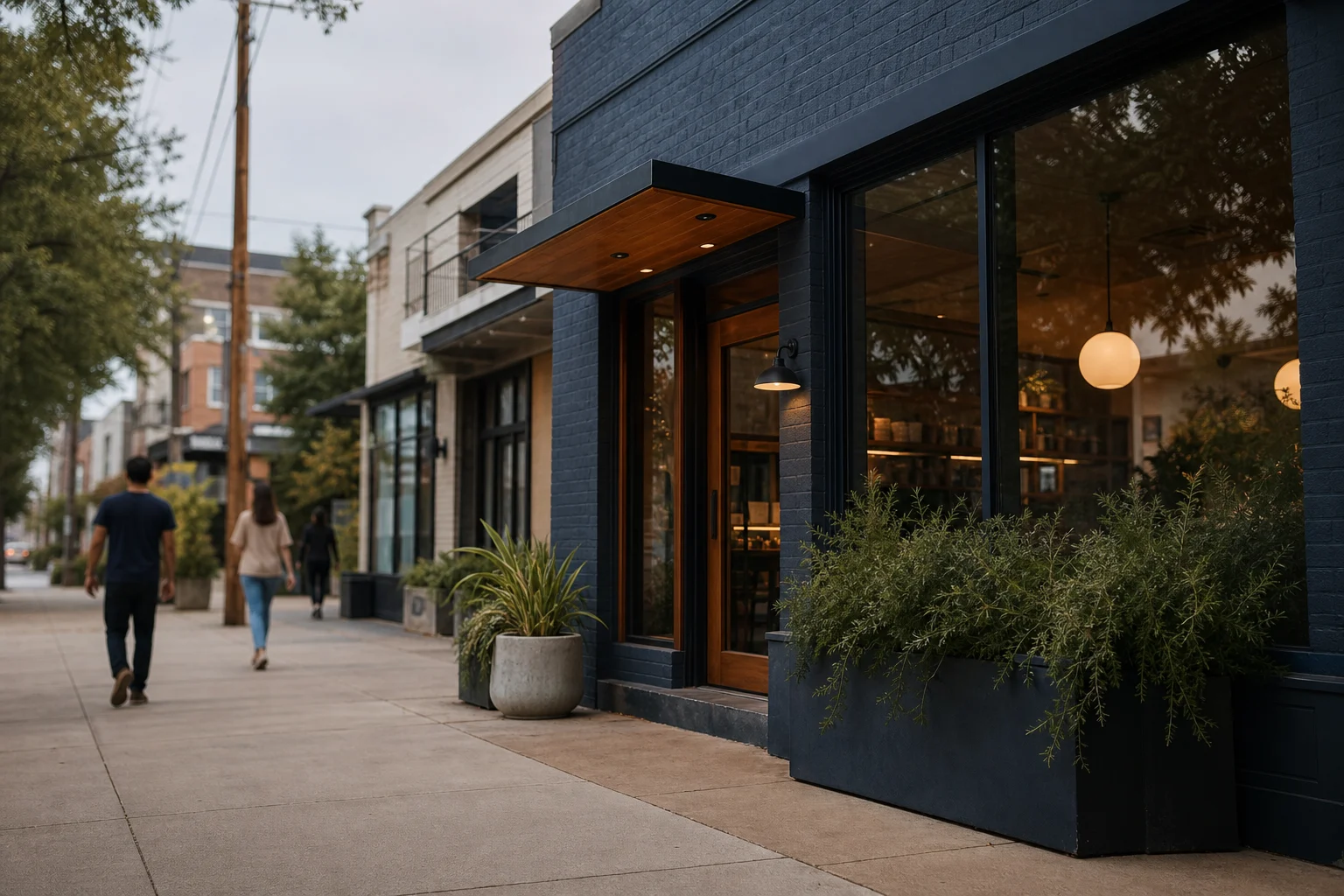
What equipment do you need to open a juice and smoothie bar in Austin?
The core equipment for a juice and smoothie bar typically includes commercial-grade blenders, juicers, refrigeration units, and point-of-sale systems. However, Austin's specific market demands additional considerations. The city's health-focused demographic expects fresh, high-quality ingredients, which means investing in equipment that preserves nutritional value and maintains consistent product quality. You'll need to validate whether your chosen equipment can handle the volume demands of Austin's busy neighborhoods like Domain / North Austin (score 6.8/10, rent band $31-$60/sqft/yr NNN) or Downtown Austin (score 6.1/10, rent band $60/sqft/yr NNN).
When planning your equipment list, consider how Austin's climate affects your refrigeration needs. The city's hot summers mean your cooling equipment must work harder and more efficiently than in cooler climates. Additionally, Austin's focus on sustainability may influence your equipment choices toward energy-efficient models that align with local consumer values.
Buildout cost categories
Your buildout costs will vary significantly based on Austin's neighborhood rent bands and local regulations. The Domain / North Austin area offers rent bands of $31-$60/sqft/yr NNN, while Downtown Austin commands $60/sqft/yr NNN. These differences impact not just your lease costs but also your buildout budget, as higher-rent areas often have more stringent landlord requirements and building codes.
Plumbing and electrical
Austin's building codes require specific plumbing and electrical configurations for food service establishments. You'll need to budget for commercial-grade plumbing that can handle the high volume of produce washing and equipment cleaning. Electrical systems must support multiple high-wattage appliances running simultaneously, which often requires dedicated circuits and possibly electrical panel upgrades.
HVAC and ventilation
Austin's climate makes proper HVAC and ventilation systems non-negotiable. Your ventilation must handle the heat generated by blenders and juicers while maintaining a comfortable customer environment. The city's energy efficiency standards may also influence your HVAC choices, potentially requiring more expensive but long-term cost-effective systems.
Flooring and finishes
Your flooring must withstand constant moisture and heavy foot traffic typical of juice and smoothie bars. Austin's health department will have specific requirements for non-porous, easy-to-clean surfaces. The finishes you choose should also reflect the aesthetic of your chosen neighborhood - whether you're in the trendy East 6th area (score 6.0/10, rent band $42/sqft/yr NNN) or the more established Hyde Park (score 6.5/10, rent band $31-$60/sqft/yr NNN).
Permits-driven items
Austin's permitting process for food service establishments requires specific equipment installations. You'll need to budget for items that satisfy health department requirements, such as hand sinks, three-compartment sinks, and potentially grease traps depending on your menu. These items aren't optional - they're mandatory for operation.
Furniture and signage
While not strictly equipment, your furniture and signage choices impact both customer experience and operational flow. Austin's competitive market means your interior design and branding must stand out. Consider how your seating arrangement affects order flow and how your signage communicates your value proposition to health-conscious Austin consumers.
Equipment line items to validate in Austin
When selecting equipment for your Austin juice and smoothie bar, focus on items that address local market needs. High-powered blenders that can handle tough ingredients like kale and ginger are essential, as are commercial juicers that maintain nutrient quality. Refrigeration systems must be sized appropriately for your ingredient volume and Austin's climate.
Table: Essential Juice and Smoothie Bar Equipment Categories
| Equipment Category | Key Considerations for Austin Market | Austin-Specific Factors |
|---|---|---|
| Blenders | Power, speed, jar size, noise level | Must handle tough Austin-favorite ingredients |
| Juicers | Type (masticating vs centrifugal), yield | Preserve nutrients in hot climate |
| Refrigeration | Size, energy efficiency, temperature control | Austin's hot summers demand reliability |
| POS System | Speed, inventory management, mobile ordering | Tech-savvy Austin customers expect efficiency |
| Storage Solutions | Shelving, prep tables, ingredient organization | Maximize limited space in high-rent areas |
How established operators in Austin configure their kitchens
Looking at successful Austin operators provides valuable insights into equipment configuration. JuiceLand in Hyde Park and JuiceLand Frost Tower in Downtown Austin both use commercial-grade blenders and juicers that can handle high volume while maintaining product quality. These established businesses have optimized their layouts to create efficient workflows that minimize wait times - a critical factor in Austin's fast-paced environment.
Pressed Juicery in Domain / North Austin demonstrates how equipment choices can support a premium brand positioning. Their setup likely includes high-end blenders and specialized juicers that justify their pricing point. Meanwhile, Juiced Up Cafe Downtown shows how efficient equipment can support quick service, which is valued by busy downtown professionals.
These operators have also likely invested in equipment that addresses Austin's specific challenges, such as climate-controlled storage for sensitive ingredients and efficient cleaning systems that comply with local health regulations.
Used vs. new vs. lease
Austin's equipment market offers multiple acquisition strategies. New equipment provides reliability and warranty coverage but comes with higher upfront costs. Used equipment can reduce initial investment but requires careful inspection for Austin's demanding usage patterns. Leasing offers flexibility but may have long-term cost implications.
Consider Austin's rental rates when deciding on equipment acquisition. Higher rent bands in areas like Downtown Austin ($60/sqft/yr NNN) may make leasing more attractive for cash flow management. However, the reliability of used equipment in a high-volume operation like a juice and smoothie bar requires careful evaluation.
Buildout timeline
Austin's permitting process and contractor availability affect your buildout timeline. The city's growth means construction demand is high, potentially extending lead times for contractors and equipment delivery. Factor in time for health department inspections and any required modifications based on their feedback.
Your timeline should also account for Austin's seasonal variations. Summer construction can be challenging due to heat, potentially slowing progress. Planning your buildout during milder months might be more efficient, though this depends on your lease start date and other business considerations.
Common buildout overruns
Austin-specific factors can lead to buildout cost overruns. Unforeseen structural issues in older buildings, particularly in established neighborhoods like Hyde Park, can increase costs. Additionally, Austin's strict environmental regulations may require unexpected upgrades to plumbing or electrical systems.
Another common overrun source is equipment delivery delays. Austin's distance from major equipment distribution centers can extend lead times, especially for specialized juice and smoothie bar equipment. Building buffer time into your schedule can help mitigate these risks.
FAQ
Q: What's the minimum square footage needed for a juice and smoothie bar in Austin? A: Austin juice and smoothie bars typically require 500-1,200 square feet, depending on your concept and neighborhood. Downtown Austin spaces may be smaller but command higher rent ($60/sqft/yr NNN), while areas like Domain / North Austin offer more space at $31-$60/sqft/yr NNN.
Q: How do Austin's health department requirements affect equipment choices? A: Austin's health department requires commercial-grade equipment that meets specific sanitation standards. This includes NSF-certified equipment, proper refrigeration temperatures, and easy-to-clean surfaces. Equipment must also accommodate the required number of hand sinks and three-compartment sinks.
Q: Can I use residential equipment in my Austin juice and smoothie bar? A: No, Austin's health codes and building regulations prohibit residential equipment in commercial food service establishments. You must use equipment rated for commercial use, which is designed to handle the volume and durability requirements of a business environment.
Last reviewed: 2026-05-30
Sources: U.S. Census Bureau ACS, LEHD LODES, Google Places, OpenStreetMap, Locavisor neighborhood scoring.
Methodology: Locavisor scores neighborhoods across demand, competition fit, rent fit, accessibility, and customer match. Scores reflect a snapshot of recent data and should be combined with on-the-ground research before lease decisions.
Disclaimer: This article provides informational content only and does not constitute legal, financial, accounting, or real-estate advice. Verify lease terms, licensing, local regulations, costs, and professional requirements with qualified local professionals before making business decisions.
Free preview shows top 3 neighborhoods. Full $9.99 report covers all 10 areas with personalized scoring + 90-day check-ins.
Informational only. Verify lease, licensing, local regulations, costs, and professional requirements with qualified local professionals.