Boston, MA · juice and smoothie bar
Juice and smoothie bar equipment costs Boston
Planning a juice and smoothie bar in Boston requires careful consideration of equipment costs and buildout requirements. The city's competitive market and high rent levels mean your equipment decisions will directly impact your budget and operational efficiency. Understanding the specific equipment needs for different formats and how location affects your buildout strategy is crucial for success.
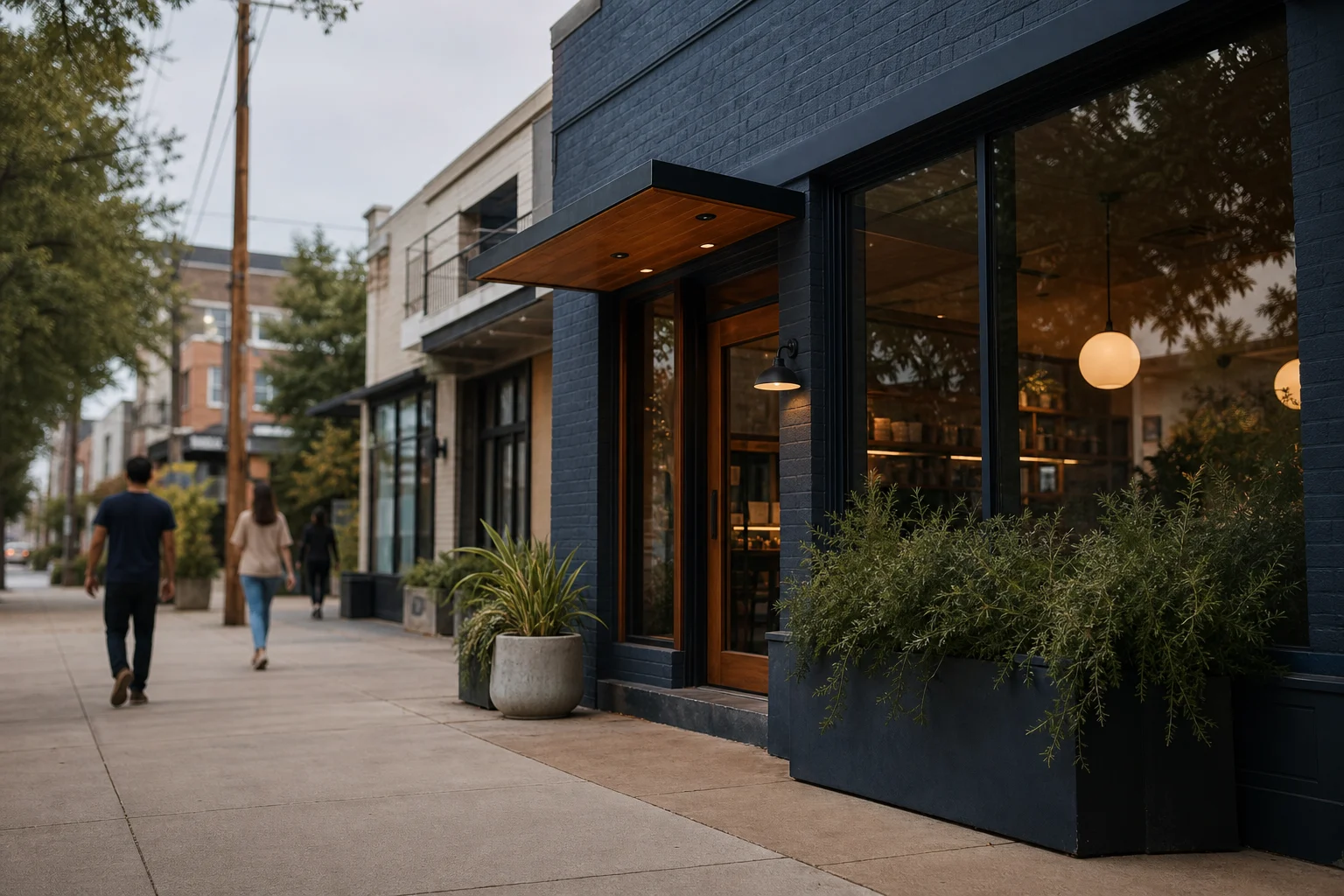
Equipment categories by launch format
Juice and smoothie bar equipment costs Boston vary significantly based on your chosen format. A full-service juice bar with cold-pressed offerings requires different equipment than a smoothie-focused operation or a grab-and-go model. Your format choice determines which equipment categories become priorities and where you can potentially save on initial investment.
Cold-press juicers represent one of the largest equipment investments for juice-focused operations. These machines extract maximum juice from produce with minimal oxidation, but come at premium prices. For smoothie bars, high-speed blenders take center stage, with commercial-grade models capable of handling frozen ingredients and high-volume production. Consider whether your format requires multiple units of these core machines or if a single high-capacity model can meet your needs.
Support equipment forms the backbone of efficient operations. This category includes refrigeration units for produce storage, prep stations for ingredient preparation, and POS systems for order management. Each format has different support requirements. A juice bar needs substantial refrigeration for produce inventory, while a smoothie bar might prioritize freezer space for frozen ingredients. Grab-and-go formats often invest more in display refrigeration for pre-packaged items.
Buildout assumptions that change the budget
Boston's high rent level significantly impacts your buildout budget, especially when considering the Top 3 areas identified by Locavisor neighborhood scoring. Quincy Center / North Quincy (7.8/10) offers the most budget-friendly option with rent roughly $30-50/sqft NNN, making it the only area where rent won't squeeze your medium budget. This location's zero direct juice-smoothie competitors and strong morning and lunch daypart scores provide an opportunity to allocate more of your budget to quality equipment rather than premium real estate.
Cambridge (Kendall Square / MIT) (7.3/10) presents a different challenge. While scoring highest on demand (9.7) and customer match (9.3) with its biotech/tech workforce and student population being your ideal juice-and-smoothie demographic, the trophy-tier rent of roughly $90-140/sqft NNN and a rentFit score of 0 is a hard warning for a medium-budget operator. In this area, your buildout budget will face significant pressure, potentially requiring equipment compromises or a smaller footprint.
Back Bay (7.1/10) offers Boston's premier retail corridor with maxed-out walkability, strong tourist and student indexes. However, the presence of two direct juice competitors (Mother Juice at 4.5★/338 reviews and Pressed Juicery at 3.5★/143 reviews) validates demand but also sets a quality bar that may require higher equipment investment to compete. The market temperature is promising with medium competition density, but your equipment choices will need to match the established quality standards in this premium location.
New vs used equipment tradeoffs
When planning your juice and smoothie bar equipment costs Boston, the new versus used equipment decision requires careful evaluation of your budget constraints and risk tolerance. New equipment offers the advantage of warranties, latest technology, and energy efficiency, but comes with a higher upfront cost. Used equipment can significantly reduce initial investment but carries risks of maintenance issues and shorter useful life.
The market temperature in Boston's Top 3 areas influences this decision. Quincy Center / North Quincy's promising market temperature and lack of direct competitors might justify investing in new equipment to establish quality from the start. The biotech/tech workforce in Cambridge (Kendall Square / MIT) may appreciate modern equipment and technology, potentially making new equipment a worthwhile investment despite the high rent pressure. In Back Bay, where established competitors have set quality standards, new equipment might be necessary to meet customer expectations.
Consider the useful life of different equipment categories when making this decision. Cold-press juicers and high-speed blenders have different longevity profiles and maintenance requirements. While refrigeration units might be available as quality used options, blenders and juicers often benefit from new purchases to avoid operational disruptions. Your equipment maintenance plan should factor into this decision, as the cost of maintaining older equipment might offset initial savings.
What to inspect in a second-generation space
When evaluating existing spaces for your juice and smoothie bar, certain inspections can prevent unexpected costs that impact your equipment budget. The Top 3 areas identified by Locavisor neighborhood scoring each present different considerations for second-generation spaces.
In Quincy Center / North Quincy, where rent is roughly $30-50/sqft NNN, inspect the existing electrical infrastructure to ensure it can handle commercial kitchen equipment loads. The dense residential base near the Red Line means potential for high-volume operations, so verify that utilities can support increased demand. The zero direct juice-smoothie competitors in this area means you won't benefit from existing juice-specific infrastructure, but you also won't face the same quality expectations as more competitive markets.
Cambridge (Kendall Square / MIT) spaces require inspection of ventilation systems, especially if the previous tenant wasn't a food service operation. The biotech/tech workforce and student population expect high-quality products, so ensure the space can accommodate the equipment needed to meet those expectations. The trophy-tier rent of roughly $90-140/sqft NNN means you'll want to maximize the utility of every square foot, so evaluate the existing layout for efficient equipment placement.
In Back Bay, inspect the existing refrigeration and plumbing systems carefully. The presence of Mother Juice at 4.5★/338 reviews and Pressed Juicery at 3.5★/143 reviews means customers have established quality expectations. The maxed-out walkability and strong tourist indexes suggest high foot traffic, so verify that the space can handle high-volume equipment needs. The premier retail corridor status means presentation matters, so evaluate whether the existing aesthetic can support your brand with minimal investment.
FAQ
What equipment do I need for A Juice and Smoothie Bar in Boston?
The core equipment for a juice and smoothie bar in Boston includes cold-press juicers or high-speed blenders depending on your menu focus, refrigeration units for produce and ingredients, prep stations for preparation, and POS systems for order management. Your specific equipment needs will vary based on your format—whether you're operating a full-service juice bar, smoothie-focused establishment, or grab-and-go model. Boston's high rent level means space efficiency is crucial, so consider multi-functional equipment that can perform multiple tasks to maximize your limited square footage.
How does location affect my equipment budget in Boston?
Location significantly impacts your equipment budget through rent levels and market expectations. Quincy Center / North Quincy offers the most budget-friendly option with rent roughly $30-50/sqft NNN, allowing more investment in quality equipment. Cambridge (Kendall Square / MIT) has trophy-tier rent of roughly $90-140/sqft NNN, creating budget pressure that may require equipment compromises. Back Bay's premier retail status and established competitors like Mother Juice and Pressed Juicery may necessitate higher equipment investment to meet quality standards.
Should I buy new or used equipment for my Boston juice bar?
The new versus used equipment decision depends on your budget constraints, risk tolerance, and location-specific factors. New equipment offers warranties and energy efficiency but comes with higher upfront costs. Used equipment reduces initial investment but carries maintenance risks. Quincy Center / North Quincy's promising market and lack of direct competitors might justify new equipment investment. Cambridge's tech-savvy demographic may appreciate modern equipment, while Back Bay's established quality standards likely require new equipment to compete effectively.
What should I inspect in a second-generation space for my juice bar?
When evaluating existing spaces, inspect electrical infrastructure for commercial kitchen equipment capacity, ventilation systems, refrigeration and plumbing functionality, and layout efficiency for equipment placement. In Quincy Center / North Quincy, verify utilities can handle increased demand from the dense residential base. Cambridge spaces need special attention to ventilation if previous tenants weren't food service operators. In Back Bay, carefully evaluate existing refrigeration systems and whether the aesthetic can support your brand given the presence of established competitors with high ratings.
Last reviewed: 2026-05-08
Sources: U.S. Census Bureau ACS, LEHD LODES, Google Places, OpenStreetMap, Locavisor neighborhood scoring.
Methodology: Locavisor scores neighborhoods across demand, competition fit, rent fit, accessibility, and customer match. Scores reflect a snapshot of recent data and should be combined with on-the-ground research before lease decisions.
Disclaimer: This article provides informational content only and does not constitute legal, financial, accounting, or real-estate advice. Verify lease terms, licensing, local regulations, costs, and professional requirements with qualified local professionals before making business decisions.
Free preview shows top 3 neighborhoods. Full $9.99 report covers all 10 areas with personalized scoring + 90-day check-ins.
Informational only. Verify lease, licensing, local regulations, costs, and professional requirements with qualified local professionals.