Charlotte, NC · juice and smoothie bar
Juice and smoothie bar equipment costs Charlotte
Opening a juice and smoothie bar in Charlotte requires careful planning around equipment and buildout costs. The equipment choices you make will directly impact your operational efficiency, customer experience, and long-term profitability. Charlotte's competitive market demands thoughtful investment in the right tools for your specific concept and location.
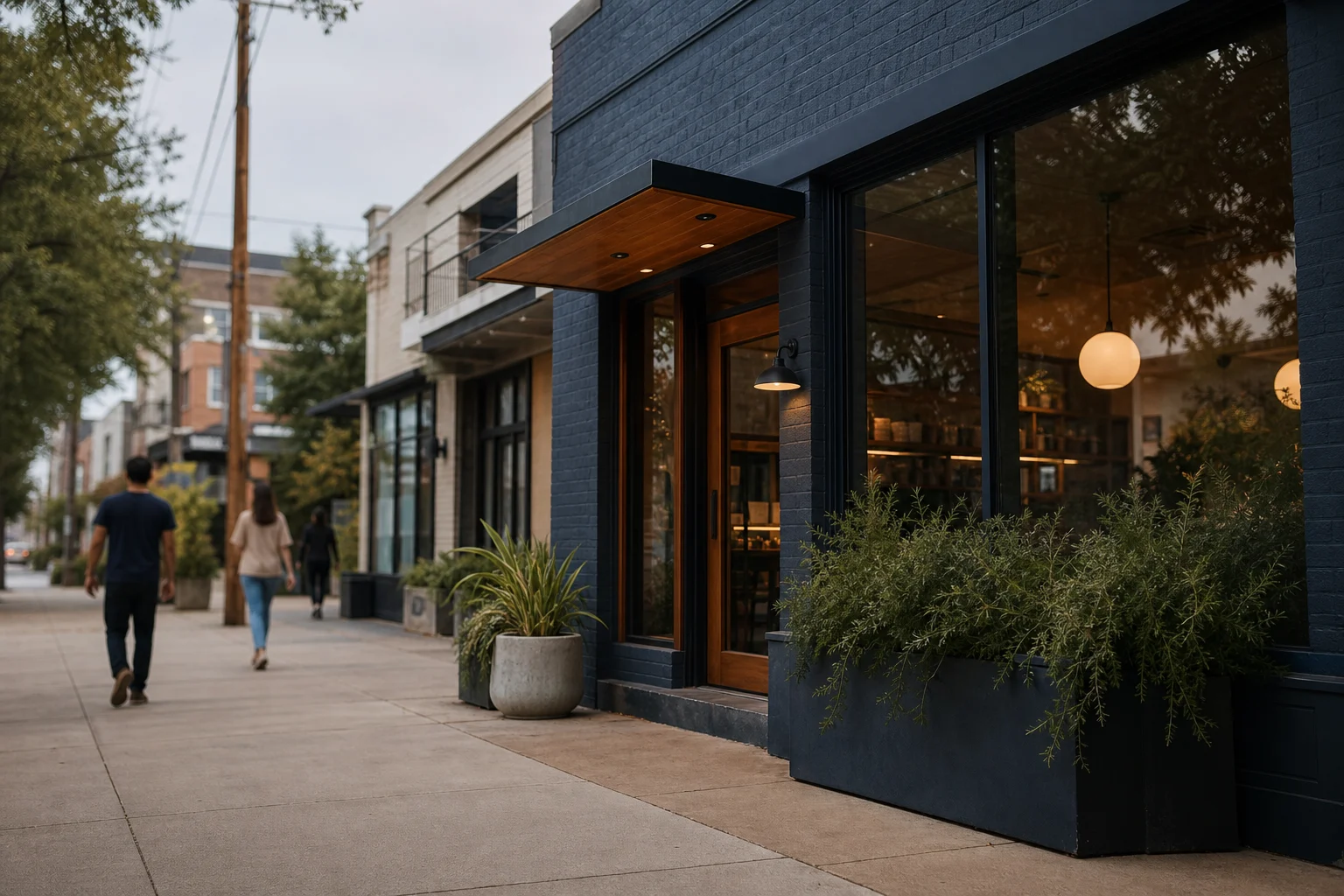
What equipment do you need to open a juice and smoothie bar in Charlotte?
The core equipment for a juice and smoothie bar typically includes blenders, juicers, refrigeration units, point-of-sale systems, and food preparation tools. However, the specific configuration depends heavily on your menu, service model, and location within Charlotte's neighborhoods. For example, a location in Wesley Heights with high foot traffic near Johnson C. Smith University might prioritize speed and volume, while a spot in NoDa could focus on artisanal, small-batch production.
Your equipment selection should align with Charlotte's local market characteristics. The top neighborhoods for juice and smoothie bars in Charlotte, according to Locavisor research, include Wesley Heights (score 6.7/10, rent band $16-$44/sqft/yr NNN), Optimist Park/Belmont (score 6.7/10, rent band $16-$44/sqft/yr NNN), and Camp North End (score 6.6/10, rent band $16-$44/sqft/yr NNN). Each of these areas presents different customer demographics and operational demands that should influence your equipment strategy.
Buildout cost categories
Plumbing and electrical
Charlotte's building codes require specific plumbing and electrical configurations for food service establishments. Juice and smoothie bars need dedicated water lines for cleaning equipment, proper drainage for juicers and blenders, and sufficient electrical capacity for multiple high-wattage appliances running simultaneously. The electrical load calculation must account for blenders, refrigeration units, POS systems, and any specialized equipment like cold-press juicers.
HVAC and ventilation
Proper ventilation is critical for juice and smoothie bars, especially when working with fresh produce and blending ingredients. Charlotte's climate requires efficient HVAC systems that can handle both cooling needs and air circulation. The ventilation system must meet local health department requirements and effectively remove odors and moisture from the preparation area.
Flooring and finishes
The flooring in your juice and smoothie bar must be durable, slip-resistant, and easy to clean. Charlotte's health codes mandate specific materials that can withstand constant foot traffic and frequent cleaning. The finishes you choose should also consider the neighborhood context - a location in Park Road/Madison Park near Pfeiffer University might benefit from a more contemporary aesthetic, while a spot in Camp North End could embrace industrial design elements.
Permits-driven items
Charlotte requires specific permits for food service establishments, including health department approvals, building permits, and potentially alcohol permits if you plan to serve add-ons. These permits often dictate specific equipment requirements, such as commercial-grade refrigeration, handwashing stations, and proper storage solutions. Always verify requirements with Mecklenburg County Health Department and Charlotte Building Standards.
Furniture and signage
Your furniture selection impacts both customer experience and operational flow. Charlotte juice and smoothie bars like Smoothie King in Park Road/Madison Park and Jamba in the same area demonstrate how seating arrangements and counter design affect service efficiency. Signage must comply with Charlotte's zoning regulations while effectively communicating your brand to passersby in neighborhoods like NoDa or Wesley Heights.
Equipment line items to validate in Charlotte
When planning your equipment purchases, consider these essential items validated by Charlotte's market:
- Commercial-grade blenders capable of handling high-volume production
- Multiple refrigeration units for ingredient storage and display
- Juicing equipment appropriate for your menu complexity
- POS system optimized for quick service
- Ice machines suitable for Charlotte's climate
- Storage solutions that maximize your limited space
- Cleaning and sanitation equipment meeting health codes
- Display cases for pre-packaged items or supplements
The equipment configuration should reflect your target customer base in Charlotte neighborhoods. For instance, a location near Central Piedmont Community College might prioritize speed and customization options, while a spot near Johnson & Wales University Charlotte Campus could focus on educational value and ingredient transparency.
How established operators in Charlotte configure their kitchens
Charlotte's existing juice and smoothie bar operators provide valuable insights into effective equipment layouts. Hip Hop Smoothies in Camp North End, Smoothie King in Park Road/Madison Park, and Jamba in the same area demonstrate different approaches to kitchen configuration that succeed in their respective neighborhoods.
Smoothie King and Jamba, both located in Park Road/Madison Park, utilize standardized equipment layouts that prioritize speed and consistency. Their configurations likely include multiple blenders, pre-portioned ingredient systems, and efficient refrigeration setups designed for high-volume, quick-service operations. These operators have optimized their spaces to handle the foot traffic near Park Road Shopping Center and Park Selwyn Terrace Shopping Center.
Hip Hop Smoothies in Camp North End, with its 5-star rating from 3 reviews, suggests a more personalized approach. Their equipment configuration might emphasize customization and quality, potentially featuring higher-end blenders and specialized juicing equipment that supports a more artisanal menu. The Camp North End location near Hygge Coworking and Venture X office spaces indicates a customer base that values premium ingredients and unique offerings.
| Operator | Neighborhood | Likely Equipment Focus | Customer Base |
|---|---|---|---|
| Smoothie King | Park Road/Madison Park | Speed and consistency | Families, students |
| Jamba | Park Road/Madison Park | Premium ingredients | Health-conscious professionals |
| Hip Hop Smoothies | Camp North End | Artisanal, customized | Young professionals, creatives |
Used vs. new vs. lease
Charlotte's market offers options for acquiring equipment through purchase (new or used) or leasing. Used equipment can provide significant cost savings, especially for startups operating in neighborhoods with higher rent bands like Wesley Heights ($16-$44/sqft/yr NNN) or Optimist Park/Belmont ($16-$44/sqft/yr NNN). However, used equipment may require more maintenance and could impact reliability.
New equipment offers the latest technology and warranty protection but comes with higher upfront costs. Leasing provides flexibility and predictable monthly expenses, which can be advantageous for businesses in Charlotte's competitive market where cash flow management is critical. The decision depends on your financial strategy, expected equipment lifespan, and the specific demands of your chosen Charlotte neighborhood.
Buildout timeline
Charlotte's permitting process and contractor availability influence your buildout timeline. The time required for equipment installation depends on the complexity of your layout, the availability of specialized contractors in Charlotte, and the specific requirements of your chosen neighborhood. Camp North End, with its mix of retail and office spaces, might have different contractor networks than Park Road/Madison Park.
The timeline should account for equipment ordering lead times, especially for specialized items. Charlotte's market may have limited local suppliers for certain equipment types, potentially extending delivery times. Coordination between contractors, equipment installers, and permitting authorities is crucial for staying on schedule.
Common buildout overruns
Several factors commonly cause buildout cost overruns in Charlotte juice and smoothie bar projects:
- Unforeseen structural issues discovered during renovation
- Delays in permit approvals from Charlotte Building Standards
- Equipment delivery complications
- Unexpected utility upgrades required by the city
- Changes in design or layout during construction
- Labor cost increases due to extended project timelines
Neighborhood-specific challenges can also impact your buildout. For example, locations in NoDa near Sugar Creek Station or 36th Street Station may face different construction constraints than spots in Wesley Heights near Tuckaseegee Rd & Wesley Heights Way. Understanding these local factors helps in budgeting and timeline planning.
| Neighborhood | Locavisor score | Rent band | Local operator signal | Founder validation check |
|---|---|---|---|---|
| Wesley Heights | 6.7/10 | $16-$44/sqft/yr NNN | No direct operator listed | Check utility capacity, ventilation, plumbing, storage, and fixture layout. |
| Optimist Park / Belmont | 6.7/10 | $16-$44/sqft/yr NNN | No direct operator listed | Check utility capacity, ventilation, plumbing, storage, and fixture layout. |
| Camp North End | 6.6/10 | $16-$44/sqft/yr NNN | Hip Hop Smoothies | Check utility capacity, ventilation, plumbing, storage, and fixture layout. |
| Park Road / Madison Park | 6.5/10 | $16-$44/sqft/yr NNN | Smoothie King, Jamba | Check utility capacity, ventilation, plumbing, storage, and fixture layout. |
| NoDa (North Davidson) | 6.3/10 | $16-$44/sqft/yr NNN | No direct operator listed | Check utility capacity, ventilation, plumbing, storage, and fixture layout. |
FAQ
Q: What's the minimum square footage needed for a juice and smoothie bar in Charlotte?
A: Charlotte juice and smoothie bars typically require 800-1,500 square feet, depending on your concept and neighborhood. Locations in high-traffic areas like Wesley Heights or Optimist Park/Belmont may need more space for customer flow, while spots in NoDa could operate efficiently in a smaller footprint. The rent bands in Charlotte ($16-$44/sqft/yr NNN) mean that square footage directly impacts your fixed costs.
Q: How do I choose between a cold-press juicer and a centrifugal juicer for my Charlotte location?
A: Cold-press juicers produce higher nutrient retention but operate slower, suitable for neighborhoods like Camp North End where customers may value quality over speed. Centrifugal juicers are faster and more efficient, better for high-volume locations near universities or office parks. Consider your target demographic in Charlotte neighborhoods and their priorities when making this decision.
Q: What are the biggest equipment-related challenges for new juice and smoothie bars in Charlotte?
A: New operators often underestimate the cooling requirements for Charlotte's climate and the electrical load needed for multiple high-wattage appliances. Additionally, selecting equipment that fits your specific menu and service model is critical - what works for Jamba in Park Road/Madison Park may not suit a concept in NoDa. Proper equipment sizing and layout planning can prevent operational bottlenecks.
Last reviewed: 2026-05-30
Sources: U.S. Census Bureau ACS, LEHD LODES, Google Places, OpenStreetMap, Locavisor neighborhood scoring.
Methodology: Locavisor scores neighborhoods across demand, competition fit, rent fit, accessibility, and customer match. Scores reflect a snapshot of recent data and should be combined with on-the-ground research before lease decisions.
Disclaimer: This article provides informational content only and does not constitute legal, financial, accounting, or real-estate advice. Verify lease terms, licensing, local regulations, costs, and professional requirements with qualified local professionals before making business decisions.
Free preview shows top 3 neighborhoods. Full $9.99 report covers all 10 areas with personalized scoring + 90-day check-ins.
Informational only. Verify lease, licensing, local regulations, costs, and professional requirements with qualified local professionals.