Dallas, TX · juice and smoothie bar
Juice and smoothie bar equipment costs Dallas
Opening a juice and smoothie bar in Dallas requires careful planning around equipment and buildout costs. The equipment choices you make will directly impact your operational efficiency, customer experience, and long-term profitability. Dallas offers several promising neighborhoods for this business model, each with distinct rent structures and local market dynamics that influence your equipment strategy.
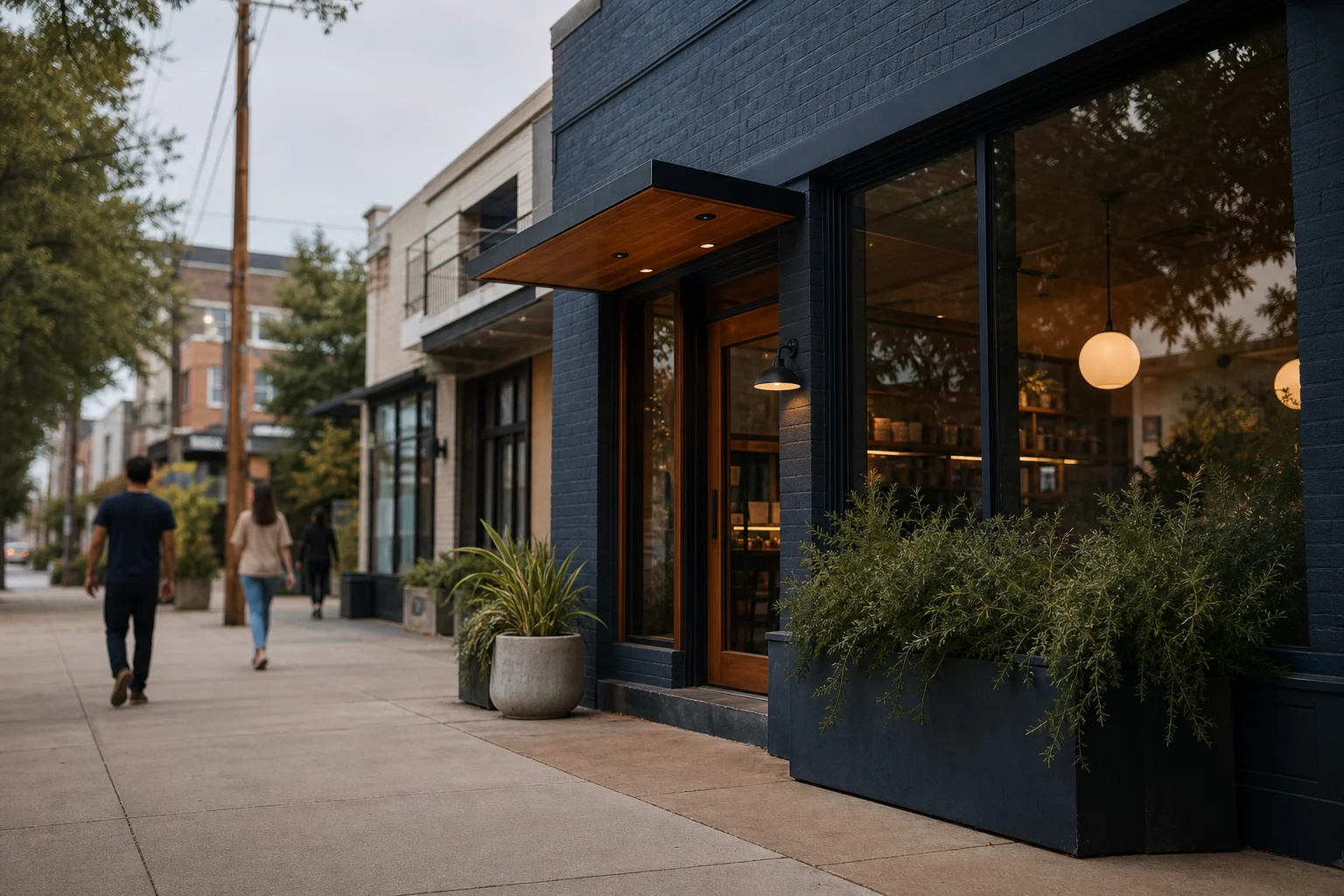
What equipment do you need to open a juice and smoothie bar in Dallas?
The core equipment for a juice and smoothie bar typically includes blenders, juicers, refrigeration units, POS systems, and food preparation tools. However, the specific configuration depends on your menu, service model, and location. In Dallas, you'll need to consider how your equipment fits within the constraints of your chosen neighborhood's layout and utility infrastructure.
For example, in high-rent areas like Plano Legacy West where the rent band is $55/sqft/yr NNN, space efficiency becomes critical. Your equipment selection should maximize output while minimizing footprint. Conversely, in areas with lower rent bands like Addison ($25-$85/sqft/yr NNN), you might have more flexibility to invest in specialized equipment that enhances your product differentiation.
Buildout cost categories
Plumbing and electrical
Your buildout will require significant plumbing and electrical work to support juice and smoothie operations. Juice bars typically need dedicated water lines for cleaning equipment, proper drainage for waste, and electrical circuits capable of handling multiple high-wattage appliances running simultaneously. In Dallas, you'll need to factor in local building codes and inspection requirements that may affect your plumbing and electrical specifications.
HVAC and ventilation
Proper ventilation is non-negotiable for juice and smoothie bars, especially when working with fresh produce and blending equipment. Dallas's climate means you'll need robust HVAC systems that can handle both cooling and air circulation while managing odors and moisture. The ventilation requirements will vary based on your specific equipment configuration and local health department standards.
Flooring and finishes
Your flooring choices impact both safety and durability in a high-moisture environment. Juice bars require slip-resistant, easy-to-clean surfaces that can withstand constant foot traffic and potential spills. The finishes you select should align with your brand aesthetic while meeting Dallas health code requirements for food service establishments.
Permits-driven items
Several equipment and buildout elements will be dictated by permit requirements. This includes grease traps, fire suppression systems, and accessibility features. In Dallas, you'll need to work with the city's permitting office to ensure your equipment layout and installation meet all local regulations before opening.
Furniture and signage
While not strictly "equipment," your furniture and signage choices impact customer flow and brand perception. In competitive Dallas neighborhoods like the Bishop Arts District (score 6.4/10, rent band $25-$85/sqft/yr NNN), your interior design and exterior signage can differentiate your business from established competitors like Tropical Smoothie Cafe.
Equipment line items to validate in Dallas
When planning your equipment budget, focus on these essential categories:
- Blending equipment: High-performance blenders capable of handling various textures and ingredients
- Juicing equipment: Cold-press or centrifugal juicers based on your product offering
- Refrigeration: Multiple units for ingredient storage and display
- ** POS system**: Integrated solution for orders and inventory management
- Cleaning equipment: Commercial-grade dishwashers and sanitizing systems
- Storage solutions: Shelving and refrigeration optimized for your workflow
How established operators in Dallas configure their kitchens
Looking at existing juice and smoothie bars provides valuable insights into equipment configurations that work in the Dallas market. Bondi Bowls in Plano Legacy West demonstrates a streamlined approach focused on efficiency, while Tropical Smoothie Cafe in Las Colinas shows how to balance variety with operational simplicity.
Customer reviews highlight the importance of equipment reliability. One reviewer noted issues with "smoothies lack[ing] flavor" and "inconsistent service," suggesting that equipment performance directly impacts customer satisfaction. Conversely, positive reviews emphasize "clean, welcoming atmosphere" and "excellent customer service," which are supported by well-maintained, efficient equipment.
Used vs. new vs. lease
Your equipment acquisition strategy will depend on your capital availability and risk tolerance. Used equipment can reduce upfront costs but may come with maintenance challenges. New equipment offers reliability and warranty protection but at a higher initial investment. Leasing provides flexibility but increases long-term costs.
In Dallas's competitive market, the right equipment strategy can provide a competitive edge. For instance, in neighborhoods with higher foot traffic like Addison (score 7.7/10), investing in reliable, efficient equipment can help manage peak demand periods.
Buildout timeline
The timeline for equipment installation and buildout completion varies based on several factors specific to Dallas. Permits, contractor availability, and equipment delivery times all impact your opening schedule. Working with local contractors familiar with Dallas building codes can help streamline this process.
Common buildout overruns
Several factors commonly lead to budget overruns in juice and smoothie bar buildouts:
- Unexpected utility upgrades required by the city
- Delays in equipment delivery
- Changes in permit requirements during the process
- Unforeseen structural issues in your chosen space
Being aware of these potential pitfalls allows for better contingency planning in your Dallas location.
| Neighborhood | Locavisor score | Rent band | Local operator signal | Founder validation check |
|---|---|---|---|---|
| Addison | 7.7/10 | $25-$85/sqft/yr NNN | No direct operator listed | Check utility capacity, ventilation, plumbing, storage, and fixture layout. |
| Plano Legacy West / The Shops at Legacy | 7.3/10 | $55/sqft/yr NNN | Bondi Bowls | Check utility capacity, ventilation, plumbing, storage, and fixture layout. |
| Las Colinas (Irving) | 7.2/10 | $25-$85/sqft/yr NNN | Tropical Smoothie Cafe | Check utility capacity, ventilation, plumbing, storage, and fixture layout. |
| Bishop Arts District | 6.4/10 | $25-$85/sqft/yr NNN | No direct operator listed | Check utility capacity, ventilation, plumbing, storage, and fixture layout. |
| Trinity Groves | 6.4/10 | $25-$85/sqft/yr NNN | No direct operator listed | Check utility capacity, ventilation, plumbing, storage, and fixture layout. |
FAQ
What equipment do I need to open a juice and smoothie bar in Dallas?
The essential equipment includes blenders, juicers, refrigeration units, POS systems, and food preparation tools. Your specific needs will depend on your menu, service model, and the constraints of your chosen Dallas neighborhood.
How do Dallas neighborhoods impact equipment decisions?
Neighborhoods with higher rent bands like Plano Legacy West ($55/sqft/yr NNN) require more space-efficient equipment, while areas with lower rents like Addison ($25-$85/sqft/yr NNN) allow for more specialized or larger equipment investments.
What are the biggest equipment-related challenges in Dallas juice bars?
Customer reviews highlight issues with equipment performance affecting product quality and service consistency. Ensuring reliable, efficient equipment is crucial for maintaining customer satisfaction in competitive Dallas markets.
Last reviewed: 2026-05-30
Sources: U.S. Census Bureau ACS, LEHD LODES, Google Places, OpenStreetMap, Locavisor neighborhood scoring.
Methodology: Locavisor scores neighborhoods across demand, competition fit, rent fit, accessibility, and customer match. Scores reflect a snapshot of recent data and should be combined with on-the-ground research before lease decisions.
Disclaimer: This article provides informational content only and does not constitute legal, financial, accounting, or real-estate advice. Verify lease terms, licensing, local regulations, costs, and professional requirements with qualified local professionals before making business decisions.
Free preview shows top 3 neighborhoods. Full $9.99 report covers all 10 areas with personalized scoring + 90-day check-ins.
Informational only. Verify lease, licensing, local regulations, costs, and professional requirements with qualified local professionals.