Houston, TX · juice and smoothie bar
Juice and smoothie bar equipment costs Houston
Planning a juice and smoothie bar in Houston requires careful consideration of equipment needs and buildout requirements. The right equipment setup depends on your chosen location, business model, and target customers. In Houston's competitive market, understanding equipment costs and buildout considerations is crucial for success.
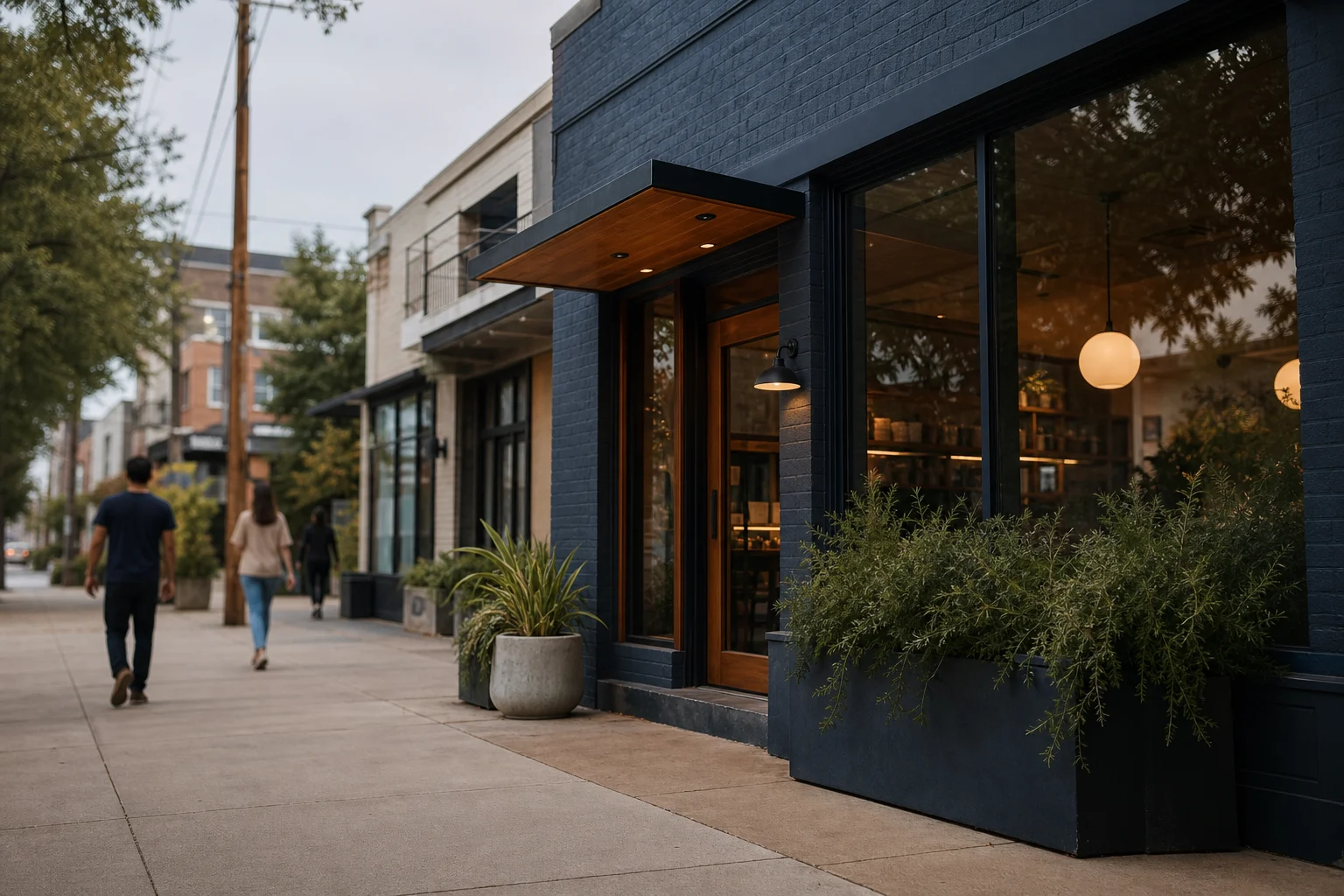
Equipment Categories by Launch Format
The equipment needs for a juice and smoothie bar in Houston vary significantly based on your chosen format. Whether you're planning a quick-service counter, a full-service café with seating, or a drive-thru operation, your equipment requirements will differ substantially.
For a counter-service model focused on grab-and-go smoothies and juices, you'll need commercial-grade blenders, juicers, refrigeration units, and point-of-sale systems. These locations typically require less square footage but need efficient workflows to handle high-volume orders during peak hours.
A café-style operation with seating requires additional equipment such as tables, chairs, dishwashers, and potentially coffee machines if you plan to offer those beverages. This format typically demands more space and a more extensive buildout, impacting your equipment budget.
Drive-thru models require specialized equipment layouts designed for efficiency in a vehicle-based service environment. This includes ordering systems that can be accessed from cars, specialized drink holders, and potentially drive-thru refrigeration units.
Buildout Assumptions That Change the Budget
Buildout requirements for a juice and smoothie bar in Houston vary significantly across different neighborhoods. The Energy Corridor offers rent in the $20-35/sqft NNN range, which is manageable for a medium-budget operator. This area's dense office cluster anchored by Conoco, Shell, and BP campuses creates strong weekday lunch demand.
In contrast, the Galleria / Uptown area presents higher rent levels at $45-70/sqft NNN, which affects your buildout budget. This premium location delivers the highest foot traffic and daytime population in Houston, anchored by The Galleria mall and dense office towers. The tourist overlay from the Water Wall and Museum of Illusions adds weekend lift to this area.
Greenway Plaza / Upper Kirby offers moderate rent at roughly $30-50/sqft NNN. This neighborhood already has three existing juice-smoothie operators (Pure Green 4.9★, Smoothie King 4.2★, JuiceWell 4.4★) within 750m, indicating a competitive but validated market. The residential density plus office-worker mix supports both lunch and weekend traffic.
Buildout requirements also depend on whether you're starting from scratch or taking over an existing space. New construction typically requires more extensive plumbing, electrical work, and ventilation systems, while second-generation spaces may already have some infrastructure in place.
New vs Used Equipment Tradeoffs
When planning your juice and smoothie bar equipment budget in Houston, you'll need to weigh the benefits of new versus used equipment. New equipment typically comes with warranties, the latest technology, and energy efficiency features that can reduce long-term operating costs. However, the initial investment is significantly higher.
Used equipment offers substantial cost savings, allowing you to allocate more of your budget to other aspects of your business. In Houston's market, you can find quality used equipment from businesses that have closed or upgraded their operations. The key is to thoroughly inspect used equipment for wear and tear and ensure it meets health department standards.
The Energy Corridor's manageable rent levels ($20-35/sqft NNN) might allow for a higher percentage of new equipment in your budget. Meanwhile, the premium rent in Galleria / Uptown ($45-70/sqft NNN) might necessitate more used equipment to keep overall costs in check.
Greenway Plaza / Upper Kirby's moderate rent ($30-50/sqft NNN) offers a middle ground where you might invest in critical new equipment while opting for used items for less essential components. The presence of three existing juice-smoothie operators in this area suggests that proven equipment setups can be successful.
What to Inspect in a Second-Generation Space
When considering a second-generation space for your juice and smoothie bar in Houston, thorough inspection of existing infrastructure can save significant buildout costs. Look for compatible plumbing and electrical systems that can support your equipment requirements.
In the Energy Corridor, where rent is more manageable, you might find spaces with existing commercial kitchen infrastructure that can be adapted for juice and smoothie operations. The absence of direct juice-smoothie competitors within this corridor presents an opportunity to leverage existing infrastructure while establishing a market presence.
The Galleria / Uptown area's premium rent levels mean that existing spaces are likely to have higher-quality infrastructure. However, you'll need to verify that the existing systems can handle the specific demands of juice and smoothie operations, particularly refrigeration and electrical requirements for multiple blenders running simultaneously.
Greenway Plaza / Upper Kirby's competitive market with three existing juice-smoothie operators suggests that second-generation spaces in this area likely have appropriate infrastructure. However, you should inspect these spaces carefully to ensure they meet your specific equipment needs and can accommodate any upgrades you might want to make.
When inspecting potential spaces, pay particular attention to ventilation systems, as juice and smoothie operations generate significant moisture and odors. Also verify that the electrical system can handle the power demands of multiple commercial blenders and refrigeration units running simultaneously.
FAQ
What equipment do I need for a Juice and Smoothie Bar in Houston?
The essential equipment for a juice and smoothie bar in Houston includes commercial-grade blenders capable of handling high-volume orders, juicers (both centrifugal and masticating depending on your menu), refrigeration units for produce and prepared ingredients, point-of-sale systems, and storage solutions. Additional equipment may include ice machines, prep tables, sinks, and potentially coffee machines if you plan to offer those beverages. Your specific equipment needs will depend on your chosen format, menu offerings, and location within Houston.
How does location affect equipment needs in Houston?
Different Houston neighborhoods present varying equipment requirements based on customer demographics and operational demands. The Energy Corridor's office worker clientele may emphasize efficient, high-volume equipment for quick service. The Galleria / Uptown area's tourist and high-end retail customers might warrant more aesthetically pleasing equipment and potentially additional offerings. Greenway Plaza / Upper Kirby's mix of residential and office customers requires equipment that can handle both peak lunch hours and weekend traffic.
Should I buy new or used equipment for my Houston juice bar?
The decision between new and used equipment depends on your budget, risk tolerance, and specific needs. New equipment offers warranties and energy efficiency but comes with higher upfront costs. Used equipment provides significant savings but requires careful inspection and may lack warranty protection. Houston's market offers good opportunities for quality used equipment, particularly in areas with higher turnover like the Galleria / Uptown.
What buildout considerations are specific to Houston's climate?
Houston's hot, humid climate requires special attention to ventilation and refrigeration in juice and smoothie bar buildouts. Proper ventilation is essential to manage moisture and odors from juice preparation. Refrigeration systems must be powerful enough to maintain proper temperatures in the heat. Additionally, consider energy-efficient equipment to manage cooling costs in Houston's warm climate.
How does competition in Houston's juice bar market affect equipment planning?
Houston's varying competition levels across neighborhoods influence equipment planning. In areas like the Energy Corridor with no direct juice-smoothie competitors, you have more flexibility to establish your preferred equipment setup. In competitive areas like Greenway Plaza / Upper Kirby with three existing operators, you'll need equipment that allows you to differentiate your offerings while maintaining operational efficiency.
Last reviewed: 2026-05-08
Sources: U.S. Census Bureau ACS, LEHD LODES, Google Places, OpenStreetMap, Locavisor neighborhood scoring.
Methodology: Locavisor scores neighborhoods across demand, competition fit, rent fit, accessibility, and customer match. Scores reflect a snapshot of recent data and should be combined with on-the-ground research before lease decisions.
Disclaimer: This article provides informational content only and does not constitute legal, financial, accounting, or real-estate advice. Verify lease terms, licensing, local regulations, costs, and professional requirements with qualified local professionals before making business decisions.
Free preview shows top 3 neighborhoods. Full $9.99 report covers all 10 areas with personalized scoring + 90-day check-ins.
Informational only. Verify lease, licensing, local regulations, costs, and professional requirements with qualified local professionals.