Las Vegas, NV · juice and smoothie bar
Juice and smoothie bar equipment costs Las Vegas
When planning a juice and smoothie bar in Las Vegas, understanding equipment costs and buildout requirements is crucial for your startup budget. The right equipment choices impact both initial investment and operational efficiency, especially in a competitive market like Las Vegas. Locavisor neighborhood scoring shows that the market temperature is mixed with medium competition density and medium rent levels, making equipment planning particularly important.
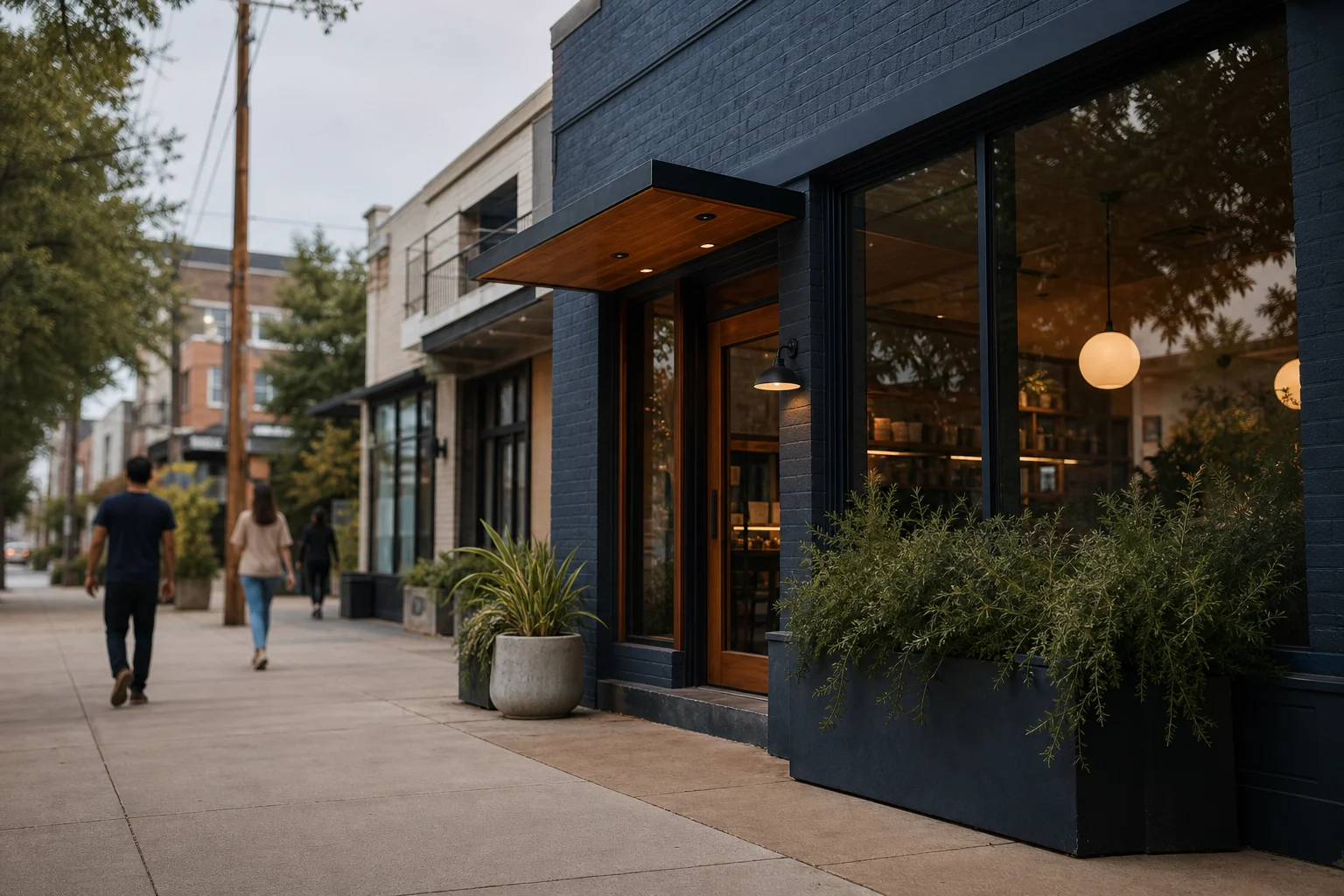
Equipment Categories by Launch Format
Your equipment needs will vary significantly based on your chosen format. A juice and smoothie bar in Las Vegas might operate as a quick-service counter, a full-service café with seating, or a grab-and-go kiosk. Each format requires different equipment categories and investment levels.
For a quick-service counter focused on juice and smoothie production, you'll need commercial-grade blenders, juicers, refrigeration units, and point-of-sale systems. These establishments typically prioritize speed and efficiency over customer seating areas. In contrast, a full-service café requires additional equipment like tables, chairs, coffee machines, and potentially a small kitchenette for food items.
Grab-and-go kiosks represent the most equipment-light option but require strategic placement in high-traffic areas. These operations need compact refrigeration, countertop blenders, and efficient packaging systems. The format you choose will directly impact your equipment budget and should align with your target market and business model.
Buildout Assumptions That Change the Budget
Buildout requirements vary significantly across Las Vegas neighborhoods. Locavisor neighborhood scoring identifies Town Square / South Strip (6.7/10) as your strongest bet—a walkable outdoor mall with heavy office-worker daytime traffic, WeWork and Regus coworking on-site, and a Whole Foods anchor. Two existing juice operators (WFM Coffee & Juice Bar at 4.4★/3,206 reviews, Pressed Juicery at 4.2★/83 reviews) prove demand but leave room for a faster, breakfast-focused concept.
Green Valley (6.5/10) in Henderson offers a solid suburban play with zero direct juice-smoothie competitors and strong rentFit (9.9). The area mixes mid-tier office density, residential reach (~8,000 households within 800m), and proximity to Green Valley Town Center and Roseman University. Expect roughly $30-50/sqft NNN for this area.
UNLV Campus / Maryland Pkwy (5.9/10) represents a student-density play with maxed-out student index and strong residential density. Two existing juice-smoothie operators (Bowlology at 4.0★/203 reviews, Jamba at 3.1★/17 reviews) sit within 700m—both underperform on quality and hours. Expect roughly $20-35/sqft NNN in this area. The catch: office-worker traffic is thin, and the area leans evening/late-night, not breakfast.
Your buildout budget will be influenced by the condition of your space, utility requirements, and local regulations. Older buildings may require more extensive electrical and plumbing work, while newer spaces might need only minor modifications. Understanding these neighborhood-specific factors helps you allocate your equipment budget more effectively.
New vs Used Equipment Tradeoffs
Choosing between new and used equipment represents a significant decision for your Las Vegas juice and smoothie bar. New equipment offers the latest technology, full warranties, and energy efficiency, but comes with a higher upfront cost. Used equipment can reduce initial investment by 30-50%, but may lack warranty coverage and have a shorter remaining lifespan.
The condition of used equipment varies widely. Some items may have been lightly used in recently closed businesses, while others may have been heavily used in high-volume operations. A thorough inspection is essential to evaluate wear and tear, functionality, and potential maintenance needs. Consider having a qualified technician assess critical equipment before purchase.
Energy efficiency represents another important factor. Newer equipment typically consumes less electricity and water, reducing operating costs over time. In Las Vegas's climate, energy-efficient refrigeration and cooling systems can make a significant difference in utility expenses. Calculate the long-term savings of efficient equipment against the higher initial investment of new items.
What to Inspect in a Second-Generation Space
When considering a second-generation space for your juice and smoothie bar, thorough inspection of existing equipment and infrastructure is crucial. Many Las Vegas locations may have previously housed food service businesses, potentially leaving behind useful equipment or requiring significant modifications.
Check the condition of existing refrigeration units, electrical systems, plumbing, and ventilation. These components are expensive to replace and may determine whether a space is suitable for your concept. Verify that existing equipment meets health department standards and can be adapted to your specific needs.
The layout of a second-generation space may require significant reconfiguration. Consider traffic flow, customer waiting areas, and production efficiency when evaluating potential locations. In Las Vegas's competitive market, an optimized layout can enhance customer experience and operational efficiency, ultimately impacting your bottom line.
FAQ
What equipment do I need for a juice and smoothie bar in Las Vegas?
Your equipment needs will depend on your specific concept and format. Essential equipment typically includes commercial-grade blenders, juicers, refrigeration units, ice machines, POS systems, and food preparation tools. Additional equipment may include seating, coffee machines, and display cases depending on your business model. Consider the specific requirements of your chosen Las Vegas location when planning your equipment list.
How does location affect equipment costs in Las Vegas?
Different Las Vegas neighborhoods present varying equipment requirements based on customer demographics and competition density. Areas like Town Square / South Strip with high office-worker traffic may require more efficient, high-volume equipment to handle peak times. In contrast, student-focused areas like UNLV Campus / Maryland Pkwy might prioritize different equipment types based on usage patterns. Your location's rent level and market temperature will also influence your equipment budget allocation.
Should I buy new or used equipment for my Las Vegas juice bar?
The decision between new and used equipment depends on your budget, timeline, and risk tolerance. New equipment offers warranties and energy efficiency but comes with higher upfront costs. Used equipment can reduce initial investment but may require more maintenance. Consider the specific demands of your Las Vegas location and calculate long-term operating costs when making this decision.
What buildout considerations should I factor into my equipment planning?
Buildout requirements vary significantly across Las Vegas neighborhoods. Consider existing utilities, space layout, and local regulations when planning your equipment needs. Some areas may require specialized ventilation or electrical systems for certain equipment types. Factor in the condition of the space and any necessary modifications when allocating your equipment budget.
How do I ensure my equipment meets Las Vegas health department requirements?
Las Vegas health department requirements mandate specific equipment standards for food service businesses. Ensure all equipment meets NSF (National Sanitation Foundation) standards and is properly installed. Regular maintenance and cleaning protocols are essential for compliance. Consult with the Southern Nevada Health District for specific requirements applicable to your juice and smoothie bar concept.
Last reviewed: 2026-05-08
Sources: U.S. Census Bureau ACS, LEHD LODES, Google Places, OpenStreetMap, Locavisor neighborhood scoring.
Methodology: Locavisor scores neighborhoods across demand, competition fit, rent fit, accessibility, and customer match. Scores reflect a snapshot of recent data and should be combined with on-the-ground research before lease decisions.
Disclaimer: This article provides informational content only and does not constitute legal, financial, accounting, or real-estate advice. Verify lease terms, licensing, local regulations, costs, and professional requirements with qualified local professionals before making business decisions.
Free preview shows top 3 neighborhoods. Full $9.99 report covers all 10 areas with personalized scoring + 90-day check-ins.
Informational only. Verify lease, licensing, local regulations, costs, and professional requirements with qualified local professionals.