Miami, FL · juice and smoothie bar
Juice and smoothie bar equipment costs Miami
When planning a juice and smoothie bar in Miami, understanding equipment costs is crucial for your startup budget. The right equipment selection impacts both your initial investment and operational efficiency, especially in Miami's competitive market where location and presentation matter significantly.
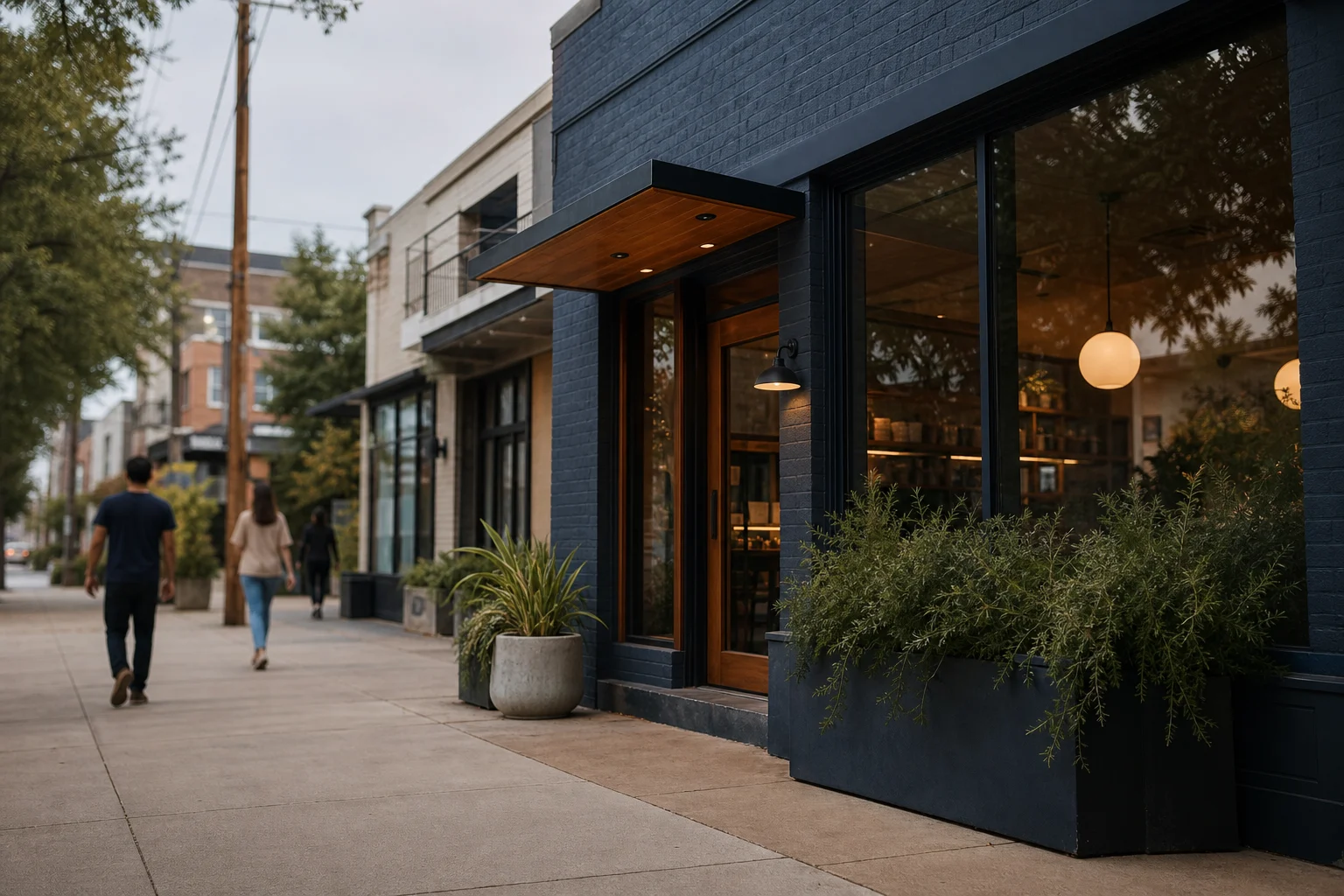
Equipment Categories by Launch Format
Your equipment needs will vary based on your chosen format. A juice and smoothie bar in Miami can operate as a quick-service counter, a full-service café with seating, or a hybrid model with grab-and-go options. Each format requires different equipment categories and budget considerations.
Counter-only operations focus on high-speed production with minimal equipment. You'll need commercial-grade blenders, juicers, refrigeration for ingredients, and POS systems. These setups prioritize efficiency over customer experience, allowing for lower initial investment but potentially limiting revenue streams.
Full-service cafés require additional equipment like seating, tables, dishwashers, and expanded food preparation stations. This format increases your equipment budget but enables higher average checks and customer loyalty through extended stays. Miami's MiMo / Upper Eastside area, with its strong morning foot traffic and office-worker density, supports this model well.
Hybrid models blend both approaches, offering quick service with limited seating. This format requires equipment that balances speed with customer comfort, including efficient production tools and basic amenities. The Kendall / Pinecrest area's high demand score makes it suitable for this approach, though its high rent levels ($90-140/sqft NNN) may pressure your equipment budget.
Buildout Assumptions That Change the Budget
Buildout requirements significantly impact your equipment budget in Miami. The MiMo / Upper Eastside area offers workable rent levels at $45-70/sqft NNN, allowing for more flexible equipment allocation. In contrast, Kendall / Pinecrest's high rent levels ($90-140/sqft NNN) may force you to prioritize essential equipment over nice-to-have items.
Plumbing constraints in Miami buildings can affect your equipment placement and costs. Juice and smoothie bars require extensive plumbing for sinks, ice machines, and potentially specialized juicing equipment. Older buildings in areas like Hialeah may require significant plumbing modifications, increasing your buildout budget.
Electrical requirements for commercial-grade blenders, refrigeration, and other equipment often exceed standard capacity. Miami's building codes mandate specific electrical installations for commercial kitchens, which can add substantial costs to your buildout. These requirements vary by location and building type, with newer constructions typically offering more flexibility.
Ventilation systems represent another significant buildout consideration. Juice and smoothie operations generate heat and odors that require proper ventilation. The Hialeah area's more affordable rent ($45-70/sqft NNN) might come with older buildings lacking adequate ventilation systems, requiring additional investment in this area.
New vs Used Equipment Tradeoffs
New equipment offers reliability and warranty protection but comes with higher upfront costs. In Miami's mixed market temperature, investing in new equipment may provide peace of mind, especially for critical items like blenders and refrigeration that impact daily operations. The MiMo / Upper Eastside area's medium-high rent levels may make new equipment a challenging proposition for budget-conscious operators.
Used equipment reduces initial investment but carries risks of breakdowns and shorter lifespans. The Hialeah area's more affordable rent structure might allow for allocating more budget to new equipment, potentially offsetting some reliability concerns. However, the area's below-average affluence suggests customers may be more price-sensitive, making equipment reliability even more critical.
Lease-purchase options balance cash flow with equipment ownership. This approach can be particularly attractive in Miami's competitive market, where maintaining cash reserves for unexpected expenses is important. The Kendall / Pinecrest area's high rent levels might make lease-purchase arrangements more appealing despite the long-term costs.
Equipment financing terms vary based on your credit profile and business plan strength. Miami's medium competition density means lenders may be more selective, requiring solid projections to secure favorable terms. Your equipment choices should align with what lenders view as essential versus optional, as this affects your financing options.
What to Inspect in a Second-Generation Space
When considering a second-generation space in Miami, existing equipment can reduce your initial investment but requires thorough inspection. The MiMo / Upper Eastside area's single direct competitor (Oakberry Acai, 4.8★ over 383 reviews) suggests a market that values quality, making equipment reliability particularly important in this location.
Plumbing infrastructure should be evaluated for capacity and condition. Juice and smoothie operations require significant water usage for cleaning and production. Older buildings in areas like Hialeah may have plumbing systems that cannot handle commercial demands, requiring costly modifications before equipment installation.
Electrical systems must support your equipment's power requirements. Miami's building codes mandate specific electrical installations for commercial kitchens. The Kendall / Pinecrest area's high rent levels often come with newer buildings that may already have appropriate electrical systems, potentially reducing this buildout cost.
Ventilation systems should be assessed for adequacy. Juice and smoothie operations generate heat and odors that require proper ventilation. The Hialeah area's zero direct juice/smoothie competitors suggest limited commercial foodservice infrastructure, potentially requiring significant ventilation investment.
Storage capacity is another critical consideration. Refrigeration and dry storage needs vary based on your menu and supplier relationships. The MiMo / Upper Eastside area's ≈10,500 weekday lunch workers within 800m indicates strong daytime demand, requiring substantial storage capacity to support peak hours.
FAQ
What equipment do I need for a juice and smoothie bar in Miami?
Your juice and smoothie bar in Miami will require several key equipment categories. Commercial blenders are essential for creating smooth textures, with high-performance models capable of handling frozen fruits and tough vegetables. Juicers, whether centrifugal or masticating, will form the backbone of your fresh juice offerings. Refrigeration units for ingredient storage include reach-in coolers for perishables and possibly blast chillers for prepared items. POS systems tailored to quick-service operations help manage orders efficiently. Additional equipment may include ice machines, sinks for sanitation, prep tables, and potentially display cases for retail packaged goods. Your specific equipment needs will depend on your chosen format and menu offerings.
How does location affect equipment costs in Miami?
Location significantly impacts equipment costs in Miami through rent levels and buildout requirements. The MiMo / Upper Eastside area offers medium-high rent levels ($45-70/sqft NNN), allowing for more flexible equipment allocation. Kendall / Pinecrest's high rent levels ($90-140/sqft NNN) may force equipment budget prioritization. Hialeah's more affordable rent ($45-70/sqft NNN) might allow for higher equipment investment but comes with potential buildout challenges in older buildings. Additionally, each area's customer demographic affects equipment needs—higher-end areas may warrant premium equipment that justifies higher prices.
Should I buy new or used equipment for my Miami juice bar?
The decision between new and used equipment depends on your budget, risk tolerance, and location. New equipment offers reliability and warranty protection but comes with higher upfront costs. Used equipment reduces initial investment but carries risks of breakdowns. In Miami's mixed market temperature, the MiMo / Upper Eastside area's medium-high rent levels may make used equipment more attractive, while Hialeah's lower rent structure might allow for more new equipment investment. Consider lease-purchase options as a middle ground that balances cash flow with equipment ownership, particularly important in Miami's competitive market.
What buildout factors should I consider for my Miami juice bar?
Buildout factors significantly impact your equipment budget in Miami. Plumbing constraints affect equipment placement and costs, especially for juice operations requiring extensive water connections. Electrical requirements for commercial-grade equipment often exceed standard capacity, with Miami's building codes mandating specific installations. Ventilation systems are crucial for managing heat and odors from equipment. The age and condition of the building in your chosen location will determine the extent of required buildout—newer buildings in Kendall / Pinecrest may have existing infrastructure, while older buildings in Hialeah may require more extensive modifications.
How does Miami's market affect equipment planning?
Miami's mixed market temperature and medium competition density influence equipment planning decisions. The MiMo / Upper Eastside area's strong morning foot traffic and office-worker density support equipment investments that prioritize speed and efficiency. Kendall / Pinecrest's high demand score justifies equipment that enables higher average checks, though its high rent levels may constrain equipment budgets. Hialeah's below-average affluence suggests customers may be more price-sensitive, making equipment reliability and operational efficiency particularly important to maintain margins. Understanding your target market's preferences helps allocate equipment budgets effectively across different product categories.
Last reviewed: 2026-05-08
Sources: U.S. Census Bureau ACS, LEHD LODES, Google Places, OpenStreetMap, Locavisor neighborhood scoring.
Methodology: Locavisor scores neighborhoods across demand, competition fit, rent fit, accessibility, and customer match. Scores reflect a snapshot of recent data and should be combined with on-the-ground research before lease decisions.
Disclaimer: This article provides informational content only and does not constitute legal, financial, accounting, or real-estate advice. Verify lease terms, licensing, local regulations, costs, and professional requirements with qualified local professionals before making business decisions.
Free preview shows top 3 neighborhoods. Full $9.99 report covers all 10 areas with personalized scoring + 90-day check-ins.
Informational only. Verify lease, licensing, local regulations, costs, and professional requirements with qualified local professionals.