Minneapolis, MN · juice and smoothie bar
Juice and smoothie bar equipment costs Minneapolis
Opening a juice and smoothie bar in Minneapolis requires careful planning around equipment and buildout costs. The equipment choices you make will directly impact your operational efficiency, customer experience, and long-term profitability. Minneapolis offers several promising neighborhoods for this type of business, each with its own characteristics that influence equipment decisions and buildout requirements.
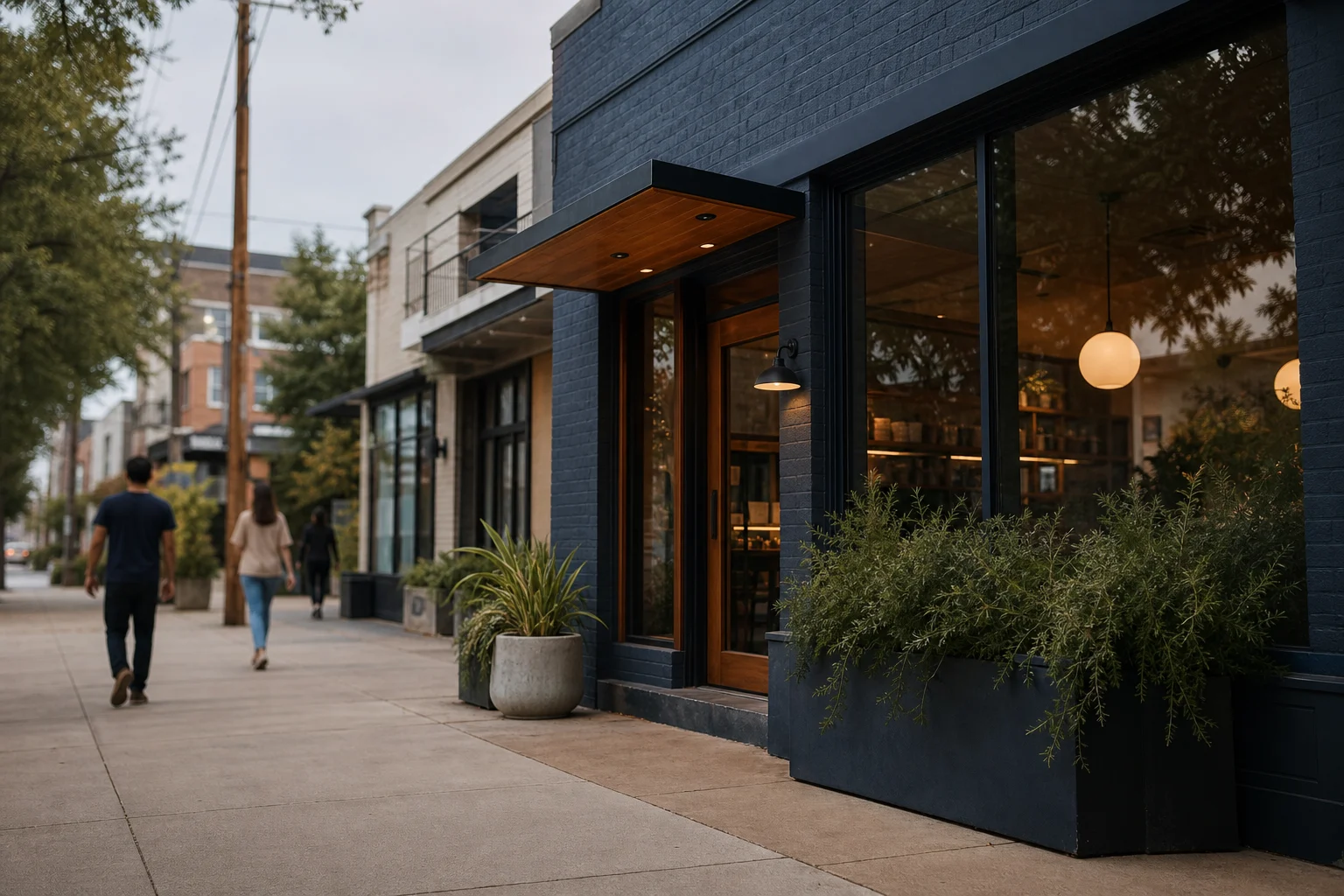
What equipment do you need to open a juice and smoothie bar in Minneapolis?
The core equipment for a juice and smoothie bar typically includes:
- Commercial-grade blenders (high-speed and standard)
- Juicers (centrifugal, masticating, or hydraulic)
- Refrigeration units (reach-in coolers, under-counter refrigerators)
- Point-of-sale system
- Ice machines
- Storage solutions (shelving, cabinets)
- Dishwashing equipment
- Prep tables
- Display cases for ingredients
The specific mix depends on your menu offerings, expected volume, and the layout of your chosen location. For example, a location in St. Anthony Main with high foot traffic might require more efficient equipment to handle peak hours, while a spot in Cedar-Riverside might prioritize equipment that complements a more relaxed, community-focused atmosphere.
Buildout cost categories
Plumbing and electrical
Your buildout will need to accommodate specialized plumbing and electrical requirements for commercial kitchen equipment. Juice and smoothie bars typically require:
- Dedicated water lines for juicers and ice machines
- Proper drainage for cleaning stations
- Sufficient electrical capacity for multiple high-wattage appliances
- Ground fault circuit interrupters (GFCIs) in wet areas
These requirements vary by neighborhood. For instance, older buildings in the Mill District might need more extensive upgrades compared to newer constructions in the North Loop.
HVAC and ventilation
Proper ventilation is critical for removing heat, moisture, and odors from your space. Minneapolis experiences significant temperature variations throughout the year, making climate control essential for both customer comfort and equipment longevity. Your HVAC system must handle:
- Heat generated by multiple blenders and juicers
- Moisture from washing and food preparation
- Air circulation to prevent condensation
Flooring and finishes
Commercial kitchen flooring must be durable, slip-resistant, and easy to clean. Common options include:
- Epoxy coatings
- Commercial vinyl
- Quarry tile
- Seamless flooring systems
The choice depends on your budget, expected foot traffic, and aesthetic preferences. High-traffic areas like St. Anthony Main might benefit from more durable options.
Permits-driven items
Your buildout must comply with local health and safety regulations. This typically includes:
- Commercial kitchen ventilation systems
- Fire suppression systems
- Accessibility requirements
- Food safety standards
You'll need to work with the Minneapolis Department of Environmental Health and the Minnesota Department of Health to ensure compliance. Each neighborhood may have additional requirements based on local ordinances.
Furniture and signage
While not strictly equipment, furniture and signage are essential for customer experience:
- Customer seating (if applicable)
- Service counters
- Menu boards
- Brand signage
These elements should align with your brand identity and the character of your chosen neighborhood. A juice bar in Lowry Hill might opt for more upscale finishes compared to one in Cedar-Riverside.
Equipment line items to validate in Minneapolis
When selecting equipment for your Minneapolis juice and smoothie bar, consider these factors specific to the local market:
Seasonal demand: Minneapolis has distinct seasons that affect customer preferences. You might need equipment that can handle both cold winter beverages and refreshing summer smoothies efficiently.
Local ingredient sourcing: If you plan to emphasize locally-sourced ingredients (a common trend in Minneapolis), your equipment should accommodate various textures and consistencies.
Space constraints: Many prime locations in neighborhoods like the North Loop have limited square footage, requiring compact, efficient equipment layouts.
Energy efficiency: Minnesota's climate makes energy costs a significant consideration. Energy-efficient equipment can provide long-term savings.
Noise considerations: In densely populated areas like St. Anthony Main, noise from equipment might be a concern for both customers and neighboring businesses.
How established operators in Minneapolis configure their kitchens
Looking at existing juice and smoothie bars in Minneapolis provides valuable insights into equipment configurations that work in this market. Powl Smoothies and Bowls in the North Loop, for example, appears to focus on efficient service with equipment that supports quick order fulfillment, even during peak times.
Local operators seem to prioritize:
- High-speed blenders for smoothie preparation
- Multiple juicer types to accommodate different fruits and vegetables
- Well-organized prep stations for efficient workflow
- Sufficient refrigeration to keep ingredients fresh
Customer reviews highlight the importance of quick service, suggesting that equipment layout and efficiency are key differentiators in the Minneapolis market.
Used vs. new vs. lease
When acquiring equipment for your juice and smoothie bar, you have several options:
| Option | Pros | Cons | Best for |
|---|---|---|---|
| New equipment | Warranty, latest features, energy efficiency | Higher upfront cost | Establishing brand with premium image |
| Used equipment | Lower upfront cost | Potential maintenance issues | Budget-conscious startups |
| Leased equipment | Lower initial investment, flexibility | Ongoing payments, no equity build | Testing market viability |
The right choice depends on your capital, risk tolerance, and long-term business strategy. Many Minneapolis operators start with a mix, investing in critical new equipment while using used or leased options for secondary items.
Buildout timeline
The timeline for your juice and smoothie bar buildout in Minneapolis will depend on several factors:
Permit approval: Health department and building permits can take a variable local timeline, depending on the complexity of your project and the neighborhood.
Contractor availability: Minneapolis has a competitive construction market, so securing reliable contractors might require advance planning.
Equipment delivery: Lead times for commercial kitchen equipment can range from a variable local timeline, depending on the manufacturer and model.
Neighborhood-specific factors: Some areas like the Mill District have historic preservation requirements that can extend timelines.
A realistic timeline is typically a variable local timeline from permit approval to opening, but this can vary significantly based on your specific circumstances.
Common buildout overruns
Several factors commonly lead to budget overruns in juice and smoothie bar buildouts:
Unexpected structural issues: Older buildings in neighborhoods like Cedar-Riverside might reveal hidden problems during renovation.
Permit delays: Changes in plans or additional requirements from inspectors can extend timelines and increase costs.
Equipment modifications: Standard equipment might not fit your space, requiring custom modifications.
Utility upgrades: Insufficient electrical or plumbing capacity might necessitate expensive upgrades, especially in historic buildings.
Neighborhood-specific requirements: Some areas have additional aesthetic or historical preservation requirements that add to costs.
| Neighborhood | Locavisor score | Rent band | Local operator signal | Founder validation check |
|---|---|---|---|---|
| St. Anthony Main | 7.4/10 | $13-$33/sqft/yr NNN | No direct operator listed | Check utility capacity, ventilation, plumbing, storage, and fixture layout. |
| Lowry Hill | 7.2/10 | $13-$33/sqft/yr NNN | No direct operator listed | Check utility capacity, ventilation, plumbing, storage, and fixture layout. |
| Cedar-Riverside | 7.2/10 | $13-$33/sqft/yr NNN | No direct operator listed | Check utility capacity, ventilation, plumbing, storage, and fixture layout. |
| Mill District | 7.1/10 | $13-$33/sqft/yr NNN | No direct operator listed | Check utility capacity, ventilation, plumbing, storage, and fixture layout. |
| North Loop | 7.0/10 | $13-$33/sqft/yr NNN | Powl Smoothies and Bowls | Check utility capacity, ventilation, plumbing, storage, and fixture layout. |
FAQ
What equipment do I need to open a juice and smoothie bar in Minneapolis?
The core equipment includes commercial blenders, juicers, refrigeration units, a POS system, ice machines, storage solutions, dishwashing equipment, prep tables, and display cases. The specific mix depends on your menu, expected volume, and location characteristics.
How do Minneapolis neighborhoods affect equipment choices?
Different neighborhoods have varying space constraints, customer demographics, and building characteristics that influence equipment decisions. For example, high-traffic areas like St. Anthony Main might require more efficient, fast-paced equipment, while community-focused areas like Cedar-Riverside might prioritize equipment that supports a more relaxed service style.
What are the key considerations for equipment in Minneapolis' climate?
Minnesota's extreme temperature variations mean equipment must handle both cold winter demands and hot summer needs. Energy efficiency is particularly important given the long heating season, and equipment should be durable enough to withstand temperature fluctuations.
Last reviewed: 2026-05-30
Sources: U.S. Census Bureau ACS, LEHD LODES, Google Places, OpenStreetMap, Locavisor neighborhood scoring.
Methodology: Locavisor scores neighborhoods across demand, competition fit, rent fit, accessibility, and customer match. Scores reflect a snapshot of recent data and should be combined with on-the-ground research before lease decisions.
Disclaimer: This article provides informational content only and does not constitute legal, financial, accounting, or real-estate advice. Verify lease terms, licensing, local regulations, costs, and professional requirements with qualified local professionals before making business decisions.
Free preview shows top 3 neighborhoods. Full $9.99 report covers all 10 areas with personalized scoring + 90-day check-ins.
Informational only. Verify lease, licensing, local regulations, costs, and professional requirements with qualified local professionals.