Oakland, CA · juice and smoothie bar
Juice and smoothie bar equipment costs Oakland
Planning a juice and smoothie bar in Oakland requires careful consideration of equipment costs and buildout requirements. Oakland's market temperature is promising with medium competition density and low rent levels, making it an attractive location for health-focused food service entrepreneurs. The right equipment selection can significantly impact your operational efficiency and customer satisfaction.
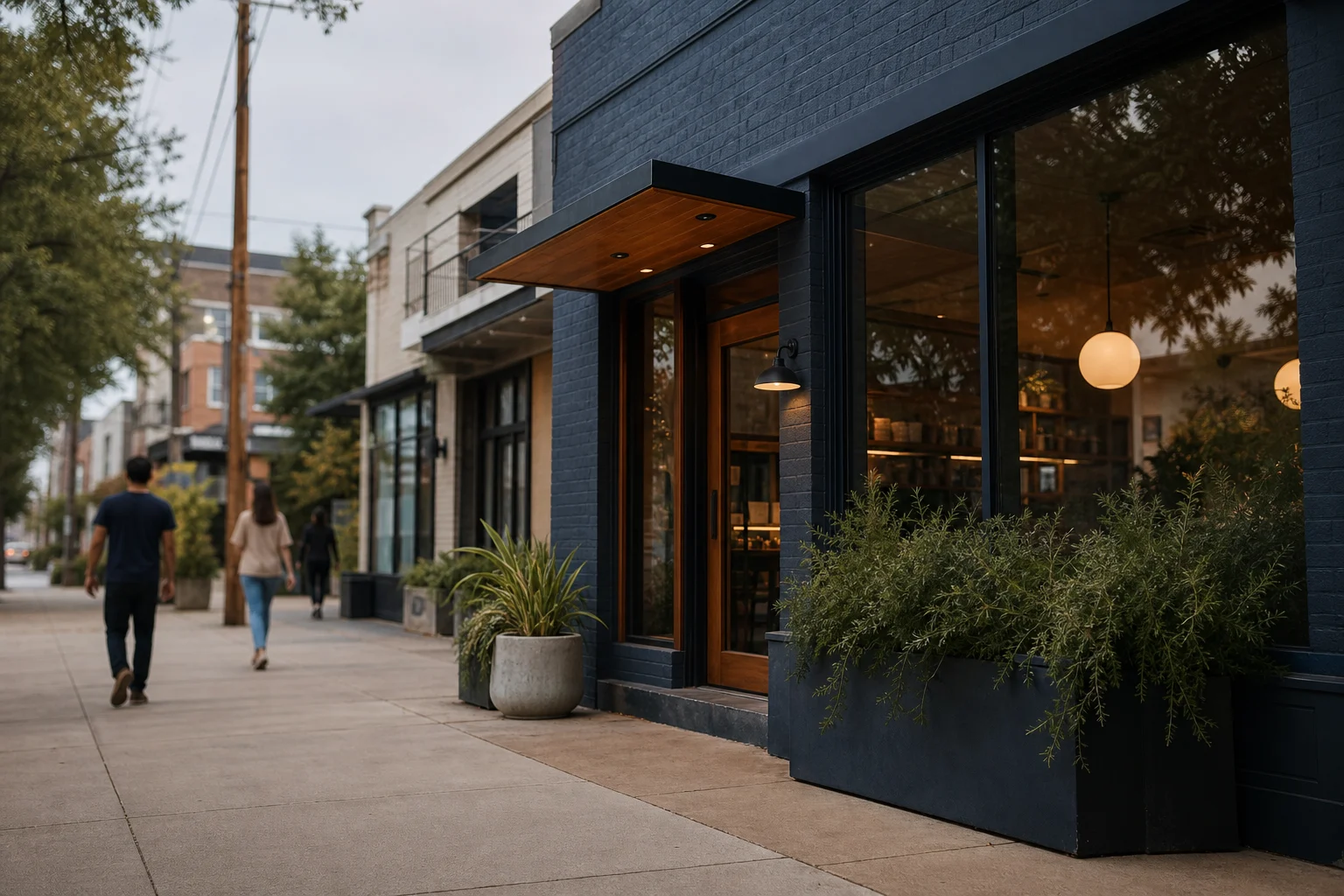
Equipment categories by launch format
When planning your juice and smoothie bar in Oakland, equipment selection varies dramatically based on your chosen format. Uptown Oakland (7.5/10) stands out as your strongest bet with near-max walkability and dense office-worker lunch traffic. Three existing juice-smoothie operators within 600m (Rush Bowls 4.6★, Minto's 4.7★, Juice Joint Mexican Deli 4.9★) prove demand but require a clear differentiation strategy. Your equipment choices will depend on whether you're focusing on cold-pressed juices, smoothies, or a hybrid model.
Cold-pressed juice operations require specialized hydraulic or pneumatic presses that extract maximum nutrients without generating heat. These machines represent a significant investment but deliver premium product quality. Smoothie operations prioritize high-speed blenders capable of handling frozen fruits, ice, and tough greens consistently. Your format choice directly impacts equipment requirements and budget allocation.
Buildout assumptions that change the budget
Oakland's rent level is low, roughly $30-50/sqft NNN across the top three areas, but buildout requirements can vary significantly. Old Oakland (7.2/10) offers strong walkability with the lowest juice-smoothie competition density among top areas. Planet Squeeze (4.8★, 22 reviews) is nearby but operates with very limited hours. Your buildout budget will be influenced by whether you're constructing a space from scratch or adapting an existing location.
Plumbing requirements for juice bars differ from traditional food establishments. You'll need multiple sink stations for produce washing, equipment cleaning, and customer service areas. Electrical capacity must accommodate high-power blenders, refrigeration units, and potentially commercial juicers. These infrastructure needs can dramatically increase buildout costs, especially in older buildings like those in Downtown Oakland (6.7/10).
Downtown Oakland presents the highest concentration of juice-smoothie operators with Rush Bowls (4.6★), Minto's (4.7★), Juice Joint (4.9★), and Planet Squeeze (4.8★) all within 430m. The competition density is real, but so is the daytime worker pool. Differentiation becomes mandatory in this environment, potentially requiring specialized equipment that sets your offerings apart from existing establishments.
New vs used equipment tradeoffs
Equipment sourcing decisions impact both initial investment and long-term operational reliability. New equipment typically comes with manufacturer warranties and energy efficiency benefits, reducing long-term utility costs. Used equipment offers significant upfront savings but carries higher maintenance risks and may lack warranty coverage. Your choice should align with your budget constraints and risk tolerance.
The market temperature in Oakland is promising, suggesting potential for business growth. Investing in reliable equipment becomes crucial as your customer base expands. High-quality blenders and juicers can withstand heavy use during peak hours, minimizing downtime and service interruptions. Consider your projected volume when deciding between new and used equipment options.
Old Oakland's historic Victorian corridor draws tourist foot traffic and lunch workers from nearby state offices and universities. This mixed customer base may require equipment capable of handling both high-volume smoothie orders and smaller, more precise juice preparations. Your equipment selection should accommodate these varying demands while maintaining operational efficiency.
What to inspect in a second-generation space
When evaluating existing locations, thoroughly inspect equipment that remains from previous tenants. Refrigeration units should maintain consistent temperatures without excessive cycling. Blender motors should operate smoothly without unusual noises or vibrations. These inspections can prevent costly surprises after lease signing.
Plumbing infrastructure in second-generation spaces may require upgrades to meet juice bar requirements. Water pressure and drainage capacity directly impact operational efficiency. Test all plumbing fixtures thoroughly before committing to a space, particularly in areas like Uptown Oakland where ≈10,500 weekday workers within 800m create high-volume potential.
Electrical systems must accommodate your equipment load without tripping breakers or causing voltage fluctuations. Older buildings in Downtown Oakland may have outdated electrical systems that require expensive upgrades. Factor potential electrical improvements into your budget when evaluating second-generation spaces.
FAQ
What equipment do I need for A Juice and Smoothie Bar in Oakland?
Your juice and smoothie bar will require several categories of equipment based on your menu offerings. Essential items include commercial-grade blenders capable of handling ice and frozen ingredients, juicers (centrifugal, masticating, or hydraulic depending on your product focus), refrigeration units for produce storage and prepared goods, and prep stations for ingredient preparation. Additional equipment may include display cases, POS systems, and specialized tools for specific menu items.
The equipment needs will vary based on your chosen location within Oakland. Uptown Oakland's dense office-worker lunch traffic suggests equipment optimized for high-volume service during peak hours. Old Oakland's tourist and state office visitor base may require equipment capable of handling both large and small orders efficiently. Downtown Oakland's high competition density might necessitate specialized equipment that enables product differentiation.
When planning your equipment purchases, consider both initial investment and long-term operational costs. Energy-efficient models may have higher upfront costs but reduce utility expenses over time. Equipment reliability directly impacts customer satisfaction and operational efficiency, particularly in high-traffic areas like those surrounding the ≈10,500 weekday workers within 800m of Uptown Oakland.
Last reviewed: 2026-05-08
Sources: U.S. Census Bureau ACS, LEHD LODES, Google Places, OpenStreetMap, Locavisor neighborhood scoring.
Methodology: Locavisor scores neighborhoods across demand, competition fit, rent fit, accessibility, and customer match. Scores reflect a snapshot of recent data and should be combined with on-the-ground research before lease decisions.
Disclaimer: This article provides informational content only and does not constitute legal, financial, accounting, or real-estate advice. Verify lease terms, licensing, local regulations, costs, and professional requirements with qualified local professionals before making business decisions.
Free preview shows top 3 neighborhoods. Full $9.99 report covers all 10 areas with personalized scoring + 90-day check-ins.
Informational only. Verify lease, licensing, local regulations, costs, and professional requirements with qualified local professionals.