Philadelphia, PA · juice and smoothie bar
Juice and smoothie bar equipment costs Philadelphia
Philadelphia's juice and smoothie bar scene presents both opportunities and challenges for entrepreneurs. The city's market temperature is promising with medium competition density, but rent levels are high, particularly in prime locations. For founders planning a juice and smoothie bar in Philadelphia, understanding equipment costs and buildout requirements is essential for budgeting and planning. Locavisor neighborhood scoring shows University City as the strongest candidate for a juice-smoothie concept, with a score of 6.8/10.
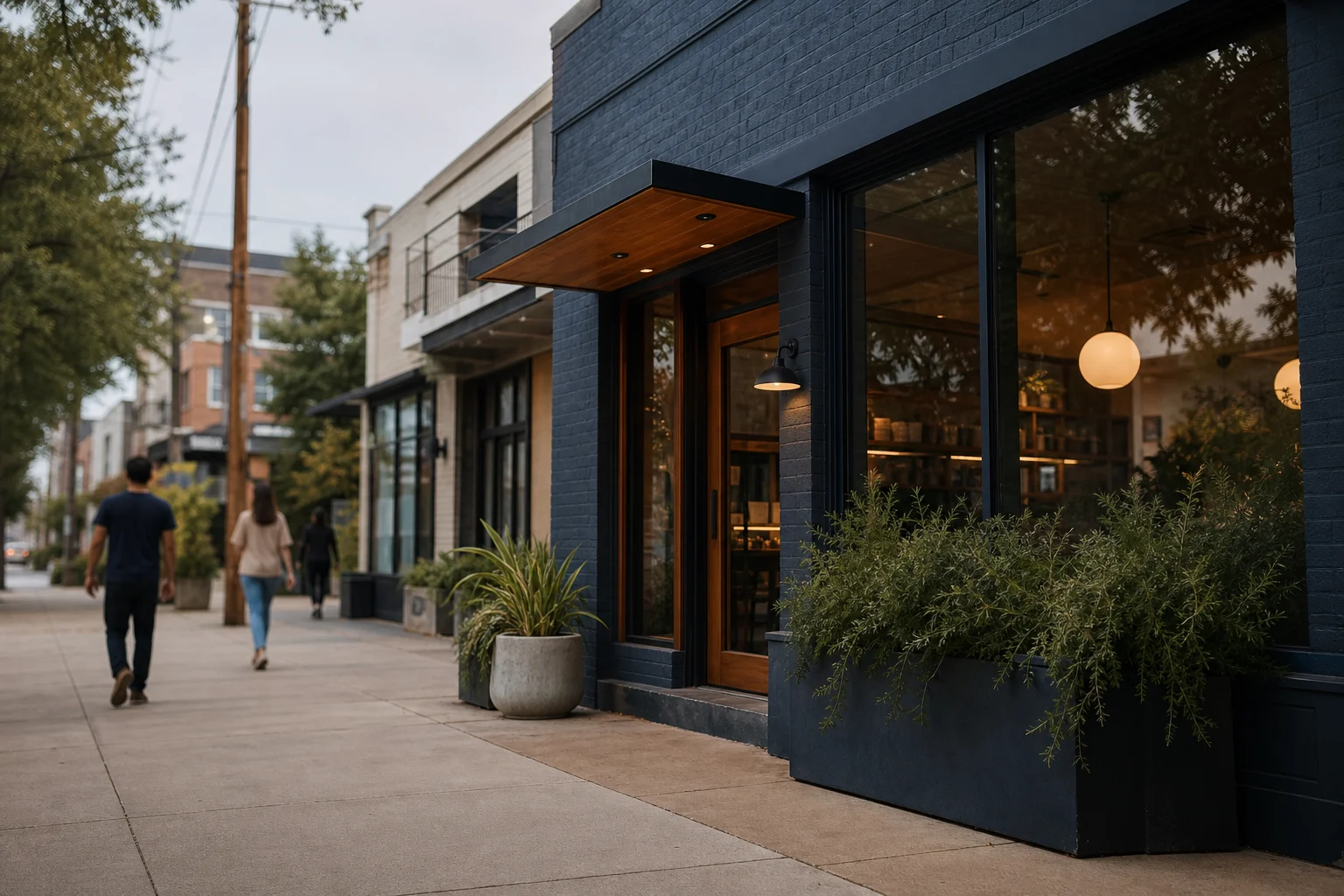
Equipment Categories by Launch Format
When planning your juice and smoothie bar in Philadelphia, equipment selection directly impacts operational efficiency and customer experience. The format you choose—whether a small counter service operation, a full-service juice bar with seating, or a hybrid model—determines your equipment needs. University City delivers massive daytime foot traffic (~10,500 weekday workers within 800m) and a customer base of young professionals, office workers, and students who already buy into the $8-12 health-beverage category. This demographic justifies investing in higher-quality equipment that can handle peak demand periods.
Your core equipment categories include preparation stations, juicing machinery, blending systems, refrigeration units, and serving equipment. Each category offers different price points and functionality levels that affect your initial investment. Powelton Village presents a more budget-friendly option with rent roughly $45-70/sqft NNN compared to University City's $65-95/sqft NNN, allowing for potentially higher equipment allocation in your startup budget. The trade-off in Powelton is below-average office-worker lunch traffic, requiring equipment that supports efficient service during student and resident peak hours.
Consider how your equipment layout supports your service flow. A well-designed preparation area with logical workflow between ingredients, preparation, and serving stations minimizes bottlenecks during busy periods. Fairmount / Art Museum Area delivers excellent demand with strong office density, tourist traffic from the Philadelphia Museum of Art, and a walkable upscale residential base. However, with rent near the top of the scale at roughly $65-95/sqft NNN, equipment selection must balance quality with space efficiency to maximize your return on investment.
Buildout Assumptions That Change the Budget
Buildout requirements significantly impact your juice and smoothie bar budget in Philadelphia. The condition of your space determines whether you're starting from scratch or modifying an existing food service location. University City's premium rent of $65-95/sqft NNN justifies investing in buildout that maximizes operational efficiency and customer appeal. Your buildout budget should account for plumbing requirements for produce washing stations, electrical capacity for multiple high-power appliances, and ventilation systems that handle juice extraction odors.
Floor plan configuration affects both equipment placement and customer flow. A well-designed space accommodates both preparation areas and customer service zones without compromising either function. Powelton Village's more manageable rent of roughly $45-70/sqft NNN allows for potentially more extensive buildout or higher-quality finishes within your budget. The area's strong residential density (~8,000 households within 800m) and student index near ceiling means your buildout should support both quick service during peak hours and comfortable lingering during slower periods.
Utility infrastructure requirements often represent hidden costs in juice and smoothie bar buildouts. Your space must accommodate the electrical demands of multiple refrigeration units, juicers, blenders, and other equipment without overloading circuits. Fairmount / Art Museum Area's rent pressure (roughly $65-95/sqft NNN) means buildout decisions must prioritize functionality while controlling costs. The area's tourist traffic from the Philadelphia Museum of Art suggests incorporating design elements that appeal to both local residents and visitors, potentially affecting your aesthetic buildout choices.
New vs Used Equipment Tradeoffs
The decision between new and used equipment represents a critical budget consideration for your Philadelphia juice and smoothie bar. New equipment offers the latest technology, full warranties, and energy efficiency but comes with a higher upfront cost. University City's premium rent environment might justify investing in new equipment that maximizes operational efficiency and minimizes downtime during critical business hours. The area's customer base of young professionals, office workers, and students who already buy into the $8-12 health-beverage category may appreciate the modern appearance and consistent quality that new equipment provides.
Used equipment presents significant cost savings but requires careful evaluation of condition and remaining useful life. When purchasing used equipment, prioritize reputable sellers who can provide maintenance history and demonstrate proper functioning. Powelton Village's more moderate rent range of $45-70/sqft NNN allows for allocating more resources to higher-quality used equipment or a mix of new and used items. The area's reliance on student and resident repeat business means equipment reliability and consistent product quality are particularly important for building customer loyalty.
Consider the total cost of ownership when evaluating new versus used equipment. While used equipment has a lower initial purchase price, older models may consume more energy, require more frequent repairs, and lack modern efficiency features. Fairmount / Art Museum Area's high rent environment (roughly $65-95/sqft NNN) makes energy efficiency and equipment reliability particularly important for controlling operational costs. The area's mix of office workers, tourists, and upscale residents suggests that equipment appearance and performance should align with the neighborhood's premium positioning.
What to Inspect in a Second-Generation Space
When evaluating existing spaces for your Philadelphia juice and smoothie bar, thorough inspection of existing equipment and infrastructure can reveal potential cost savings or unexpected expenses. University City's high-rent environment makes maximizing the utility of existing infrastructure particularly valuable. Look for properly sized exhaust systems, adequate electrical capacity, and plumbing that can support juice bar operations without extensive modifications. The area's premium rent justifies investing in professional inspections to identify potential issues before signing a lease.
Examine the condition of existing equipment carefully when considering a second-generation space. While functional equipment can reduce initial costs, older appliances may be nearing the end of their useful life and require replacement soon after opening. Powelton Village's more moderate rent range of $45-70/sqft NNN provides more flexibility for equipment replacement, but thorough inspection of existing installations can still reveal cost-saving opportunities. The area's student-focused customer base means equipment that provides fast, consistent service during peak hours is particularly valuable.
Assess the layout and flow of existing spaces to determine how well they support juice and smoothie bar operations. Consider whether the current configuration allows for efficient movement between preparation, refrigeration, and serving areas. Fairmount / Art Museum Area's high rent environment (roughly $65-95/sqft NNN) means maximizing the utility of existing space is crucial. The area's tourist traffic from the Philadelphia Museum of Art suggests that customer flow and queuing areas should be evaluated to ensure they can handle variable demand patterns throughout the day.
FAQ
What equipment do I need for A Juice and Smoothie Bar in Philadelphia?
Your Philadelphia juice and smoothie bar requires several key equipment categories to operate efficiently. Preparation equipment includes cutting boards, knives, measuring tools, and produce preparation stations. Juicing equipment typically consists of commercial-grade juicers capable of handling various fruits and vegetables. Blending systems should include high-capacity blenders for smoothies and frozen drinks. Refrigeration units are essential for storing fresh produce, prepared ingredients, and finished products. Serving equipment includes POS systems, display cases, and customer serving utensils. The specific equipment needs vary based on your chosen format, location, and menu offerings.
Last reviewed: 2026-05-08
Sources: U.S. Census Bureau ACS, LEHD LODES, Google Places, OpenStreetMap, Locavisor neighborhood scoring.
Methodology: Locavisor scores neighborhoods across demand, competition fit, rent fit, accessibility, and customer match. Scores reflect a snapshot of recent data and should be combined with on-the-ground research before lease decisions.
Disclaimer: This article provides informational content only and does not constitute legal, financial, accounting, or real-estate advice. Verify lease terms, licensing, local regulations, costs, and professional requirements with qualified local professionals before making business decisions.
Free preview shows top 3 neighborhoods. Full $9.99 report covers all 10 areas with personalized scoring + 90-day check-ins.
Informational only. Verify lease, licensing, local regulations, costs, and professional requirements with qualified local professionals.