Phoenix, AZ · juice and smoothie bar
Juice and smoothie bar equipment costs Phoenix
Planning a juice and smoothie bar in Phoenix requires careful consideration of equipment and buildout costs. The city offers several promising locations, each with unique characteristics that impact your equipment decisions. Locavisor neighborhood scoring identifies Tempe / ASU campus as the best area (7.6/10), followed by Roosevelt Row (7.5/10) and Camelback Corridor (7.3/10). Understanding the equipment needs for your specific location is crucial for budget planning and operational efficiency.
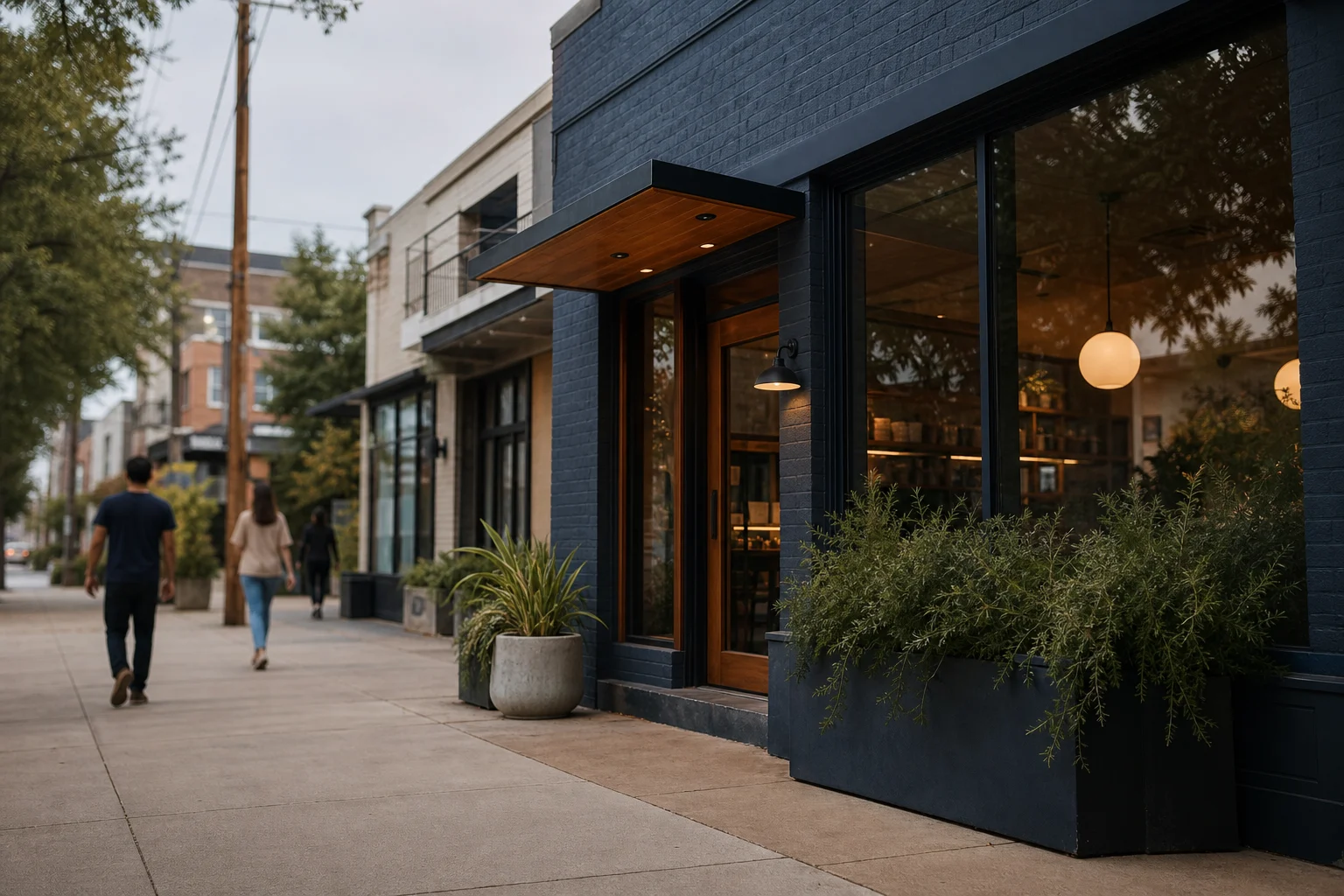
Equipment categories by launch format
When planning juice and smoothie bar equipment costs in Phoenix, your launch format significantly impacts equipment needs. The three top-ranked areas each present different operational requirements based on their unique customer profiles and existing competition.
In Tempe / ASU campus, the presence of four existing juice/smoothie operators within 800m—Nautical Bowls (4.9★, 225 reviews), Pure Green (4.7★, 77 reviews), Nekter Juice Bar (3.5★, 98 reviews), and Emerald City Smoothie (4.2★, 19 reviews)—suggests a market that supports specialized equipment. The high student population (50K+ at Arizona State University) means you'll need equipment that can handle high-volume service during peak hours while maintaining quality consistency.
Roosevelt Row's arts district atmosphere and First Friday events create different equipment requirements. The walkability and mixed customer base of office workers, students, and tourists means your equipment should balance speed with presentation capabilities. The area's walkability being "near ceiling" suggests efficient space utilization is critical, impacting equipment selection.
Camelback Corridor presents a different scenario with zero direct juice/smoothie competitors despite strong lunch-daypart demand. The upscale office environment and above-average affluence support premium pricing, which might justify investing in higher-end equipment that enhances the customer experience. The area's office index being "city-leading" indicates potential for high-volume lunch service, requiring robust equipment that can handle consistent daily use.
Buildout assumptions that change the budget
Buildout requirements vary significantly across Phoenix's top juice and smoothie bar locations. The rent level in these areas is classified as "low," which can offset some buildout costs, but the specific needs of each location create different budget considerations.
Tempe / ASU campus's dense retail corridor on Mill Avenue likely requires buildout that maximizes visibility and throughput. The existing competition suggests customers have established expectations for service speed and product variety, potentially requiring more specialized equipment to differentiate your offerings. The high student population might also influence buildout decisions, with considerations for quick service during busy periods.
Roosevelt Row's arts district character calls for buildout that complements the creative atmosphere while maintaining operational efficiency. The area's event-driven traffic means your buildout should accommodate fluctuating customer volumes, potentially requiring flexible equipment arrangements. The mix of office workers, students, and tourists suggests different service patterns throughout the day, which buildout should accommodate.
Camelback Corridor's upscale environment demands buildout that reflects premium positioning. The lack of direct competitors presents an opportunity to establish category expectations through your physical space. The area's premier white-collar employment node suggests a business clientele that values efficiency and quality, which should inform your buildout priorities.
New vs used equipment tradeoffs
Equipment sourcing decisions impact your juice and smoothie bar costs in Phoenix. The market temperature is "promising," suggesting a good time to enter, but competition density is "medium," requiring careful equipment investment decisions.
New equipment offers reliability and warranty protection, crucial for a new business. In Tempe / ASU campus, where four operators already compete, new equipment might provide a technological edge and operational efficiency. The high student population means consistent demand, making reliability essential. However, the lower rent level might allow for allocating more budget to new equipment.
Used equipment presents cost advantages that can be significant, especially in startup budget planning. Roosevelt Row's walkability and event-driven traffic might benefit from used equipment that has proven durability in similar high-volume environments. The area's mix of customer types means equipment that has handled diverse operational demands could be particularly valuable.
The Camelback Corridor's lack of direct competitors might justify investing in new equipment to establish premium positioning. The area's affluence supports premium pricing, which could offset the higher initial investment in new equipment. However, the zero competition also means you have fewer benchmarks for equipment performance, making reliability even more critical.
What to inspect in a second-generation space
When considering a second-generation space for your Phoenix juice and smoothie bar, thorough inspection of existing equipment and infrastructure is essential. The score confidence of 82% indicates reliable data for these top areas, but on-site verification remains crucial.
In Tempe / ASU campus, inspect equipment that has likely served high-volume student traffic. The existing operators suggest equipment that has handled consistent daily use, but verify maintenance records and remaining useful life. The dense retail corridor means plumbing and electrical systems have likely been stressed, requiring careful evaluation.
Roosevelt Row's arts district spaces might have been adapted for various uses before. Inspect for modifications that might impact juice and smoothie bar operations, particularly ventilation and drainage systems. The event-driven traffic means equipment might have experienced irregular usage patterns, affecting wear patterns.
Camelback Corridor's second-generation spaces likely served different business types previously. The upscale environment suggests higher-quality buildout, but verify that existing infrastructure meets commercial kitchen requirements. The area's office index means previous tenants might have had different peak hours, potentially affecting equipment maintenance schedules.
FAQ
What equipment do I need for A Juice and Smoothie Bar in Phoenix?
The essential equipment for a juice and smoothie bar in Phoenix varies by location and concept. In Tempe / ASU campus, you'll need high-volume juicers and blenders capable of handling consistent student traffic. Roosevelt Row requires equipment that balances speed with presentation for the diverse customer base. Camelback Corridor might justify premium equipment that enhances the customer experience for the affluent office workers. All locations will need refrigeration, prep stations, and POS systems, but specific requirements depend on your concept and menu.
How does location impact equipment needs in Phoenix?
Phoenix's top juice and smoothie bar locations each present unique equipment requirements. Tempe / ASU campus needs equipment that handles high-volume service during peak hours. Roosevelt Row requires equipment that accommodates fluctuating customer volumes from events and tourism. Camelback Corridor needs equipment that supports premium positioning and efficient service for business clientele. The rent level being "low" across these areas helps offset equipment costs, but location-specific demands still influence equipment decisions.
Should I buy new or used equipment for my Phoenix juice bar?
New equipment offers reliability and warranty protection, crucial for a new business. Used equipment provides cost advantages that can be significant for startups. In Tempe / ASU campus, where competition is established, new equipment might provide an operational edge. Roosevelt Row's event-driven traffic might benefit from used equipment with proven durability. Camelback Corridor's lack of direct competitors might justify new equipment for premium positioning. The market temperature being "promising" suggests good conditions for entering, but equipment decisions should align with your specific location's demands.
What should I look for in a second-generation juice bar space?
When inspecting a second-generation space, evaluate existing equipment and infrastructure thoroughly. In Tempe / ASU campus, check maintenance records for equipment that has served high-volume student traffic. Roosevelt Row spaces might have been adapted for various uses, so verify ventilation and drainage systems. Camelback Corridor spaces likely served different business types, so ensure existing infrastructure meets commercial kitchen requirements. The score confidence of 82% provides reliable neighborhood data, but on-site verification remains essential for equipment and buildout planning.
How does Phoenix's competition affect equipment decisions?
Phoenix's medium competition density means equipment decisions should consider differentiation. Tempe / ASU campus has four existing operators within 800m, suggesting equipment that provides operational efficiency or product uniqueness. Roosevelt Row's arts district might benefit from equipment that supports creative menu offerings. Camelback Corridor's lack of direct competitors presents an opportunity to establish category expectations through equipment selection. The market temperature being "promising" indicates good conditions for entering, but equipment should help your business stand out in the competitive landscape.
Last reviewed: 2026-05-08
Sources: U.S. Census Bureau ACS, LEHD LODES, Google Places, OpenStreetMap, Locavisor neighborhood scoring.
Methodology: Locavisor scores neighborhoods across demand, competition fit, rent fit, accessibility, and customer match. Scores reflect a snapshot of recent data and should be combined with on-the-ground research before lease decisions.
Disclaimer: This article provides informational content only and does not constitute legal, financial, accounting, or real-estate advice. Verify lease terms, licensing, local regulations, costs, and professional requirements with qualified local professionals before making business decisions.
Free preview shows top 3 neighborhoods. Full $9.99 report covers all 10 areas with personalized scoring + 90-day check-ins.
Informational only. Verify lease, licensing, local regulations, costs, and professional requirements with qualified local professionals.