San Antonio, TX · juice and smoothie bar
Juice and smoothie bar equipment costs San Antonio
Planning a juice and smoothie bar in San Antonio requires careful consideration of equipment needs and buildout requirements. The city offers promising market conditions with medium competition density and low rent levels, making it an attractive location for this type of business. Locavisor neighborhood scoring identifies three top areas for consideration: UTSA Main Campus area (7.9/10), Quarry Market (6.9/10), and West Side / Westside (6.7/10). Each location presents unique opportunities and challenges that will influence your equipment decisions and buildout planning.
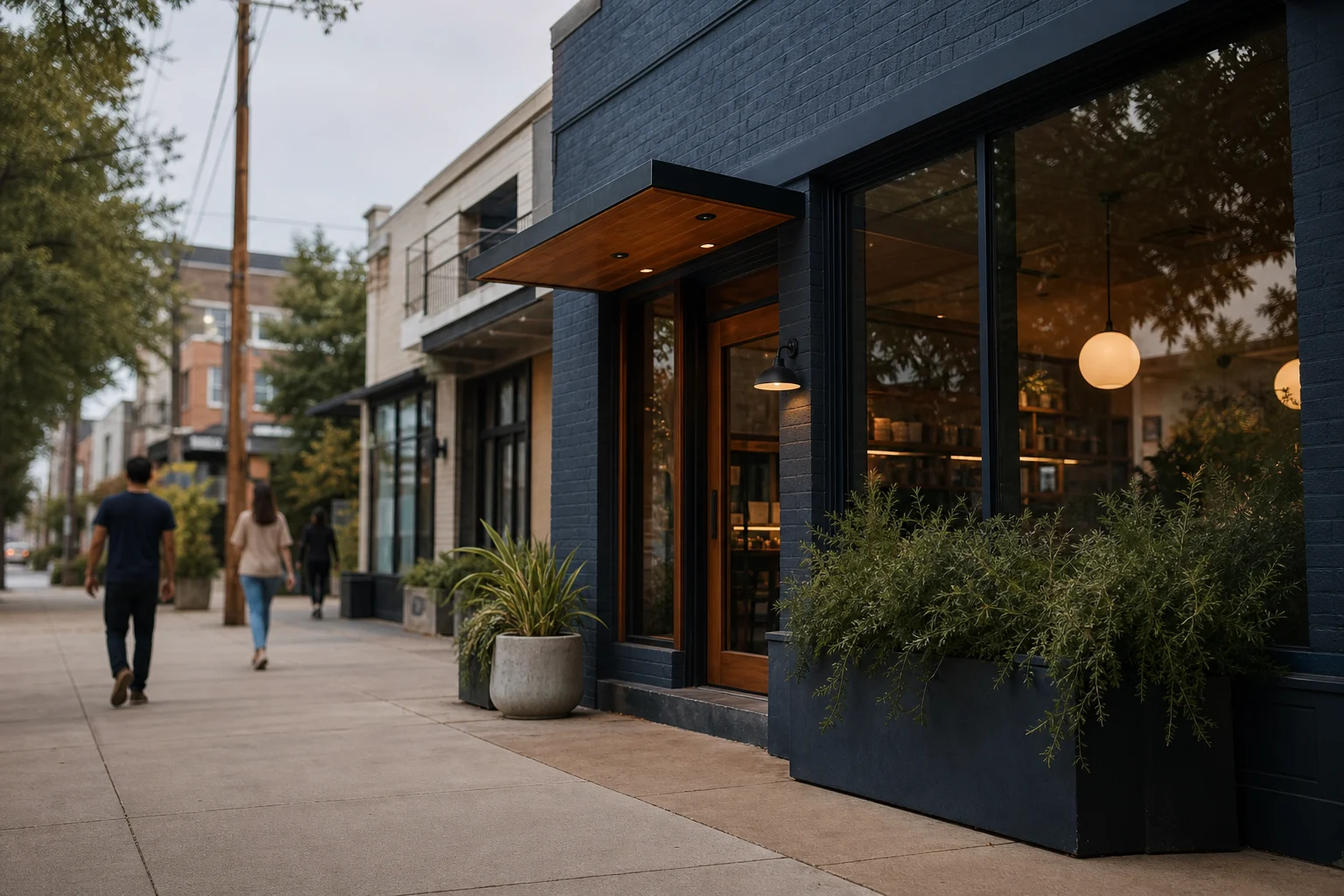
Equipment Categories by Launch Format
When planning your juice and smoothie bar in San Antonio, your equipment needs will vary based on your chosen launch format. The UTSA Main Campus area, with its 34,000+ student population, might support a streamlined operation focused on high-volume, quick-service offerings. This format would prioritize efficient blenders, multiple juice extractors, and a simplified refrigeration system to handle morning and lunch rushes.
In contrast, the Quarry Market area, with its upscale outdoor retail corridor and office index maxed out, might support a more premium format with additional equipment for cold-pressed juices, specialized smoothie bowls, and potentially some food offerings. The West Side / Westwood area near Culebra, with its affordable rent options, might allow for a more comprehensive equipment setup that can handle multiple revenue streams.
Regardless of format, your equipment categories will generally include:
- Beverage preparation (blenders, juicers, mixers)
- Refrigeration and storage (reach-in coolers, freezers, prep tables)
- Point of sale systems
- Furniture and seating
- Smallwares and utensils
- Water filtration systems
- Optional specialized equipment based on your menu
Buildout Assumptions That Change the Budget
Your buildout requirements will significantly impact your equipment planning and overall budget. The UTSA Main Campus area offers roughly $20-35/sqft NNN rent, which influences how much you can allocate to buildout versus equipment. This area's student-focused traffic pattern suggests a need for efficient space utilization that maximizes throughput during peak hours.
The Quarry Market location, with similar rent levels ($20-35/sqft NNN) but an upscale retail environment, might require more sophisticated finishes and a more spacious layout that accommodates longer customer dwell times. This could affect your equipment placement and potentially require more specialized installation considerations.
The West Side / Westwood area's rent range of $30-50/sqft NNN provides more budget flexibility but comes with the challenge of established competition. Your buildout might need to differentiate your business through both equipment selection and spatial design that creates a unique customer experience.
Buildout considerations that impact equipment planning include:
- Plumbing requirements for multiple sinks and potentially a three-compartment sink
- Electrical capacity for high-wattage blenders and refrigeration units
- Ventilation needs for food preparation areas
- Flooring that can withstand high traffic and potential spills
- Customer flow patterns that affect equipment placement
New vs Used Equipment Tradeoffs
When planning your juice and smoothie bar in San Antonio, you'll face decisions about whether to purchase new or used equipment. The UTSA Main Campus area's thin affluence level might suggest that cost-conscious equipment selection is appropriate, potentially making used equipment a viable option to maintain accessible pricing.
In the Quarry Market's upscale environment, new equipment might better align with the premium positioning expected by customers in this retail corridor. The West Side / Westwood area's competitive landscape might benefit from a strategic approach—using new, visible equipment to signal quality while utilizing used equipment for less customer-facing functions.
Key considerations in the new vs used equipment decision include:
- Warranty coverage and repair costs
- Energy efficiency differences between new and used models
- Compatibility with existing buildout infrastructure
- Expected lifespan and total cost of ownership
- Impact on your brand positioning and customer perception
What to Inspect in a Second-Generation Space
If you're considering a second-generation space for your juice and smoothie bar in San Antonio, thorough inspection of existing infrastructure can significantly impact your equipment planning and budget. The UTSA Main Campus area's existing Smoothie King location (3.9★, 37 reviews) might provide insights into common equipment challenges in this environment, though its weak incumbent status suggests opportunities for improvement.
When evaluating a second-generation space, pay special attention to:
- Existing plumbing capacity and locations
- Electrical panel capacity and circuit availability
- Ventilation system adequacy for your specific equipment needs
- Floor condition and load-bearing capacity for heavy equipment
- Refrigeration line placement and condition
- Previous equipment layout and potential modifications needed
The Quarry Market's Jamba location (4.3★, 298 reviews) operating 124m from the centroid suggests that successful second-generation spaces in this area can thrive, but you'll need to assess how the existing infrastructure supports your specific equipment requirements. The West Side / Westwood area's competitive cluster with Smoothie King (4.8★/190 reviews) and Jamba (4.4★/347 reviews) within 500m indicates that infrastructure quality may be a key differentiator.
FAQ
What equipment do I need for A Juice and Smoothie Bar in San Antonio?
The essential equipment for a juice and smoothie bar in San Antonio includes high-performance blenders capable of handling frozen ingredients, commercial-grade juicers (centrifugal or masticating depending on your menu), refrigeration units for produce and prepared ingredients, point of sale systems, and appropriate food preparation surfaces. Your specific equipment needs will vary based on your chosen location within San Antonio's top areas—UTSA Main Campus area, Quarry Market, or West Side / Westwood—and your unique menu offerings and service format.
Additional equipment considerations include water filtration systems for both customer service and ingredient preparation, storage solutions for dry goods, and potentially specialized equipment for menu items like cold-pressed juices or smoothie bowls. The UTSA Main Campus area's student population might favor streamlined, high-volume equipment, while the Quarry Market's upscale environment might support more specialized, premium equipment options. Your equipment selection should align with your target customer base and operational requirements specific to your chosen location.
Last reviewed: 2026-05-08
Sources: U.S. Census Bureau ACS, LEHD LODES, Google Places, OpenStreetMap, Locavisor neighborhood scoring.
Methodology: Locavisor scores neighborhoods across demand, competition fit, rent fit, accessibility, and customer match. Scores reflect a snapshot of recent data and should be combined with on-the-ground research before lease decisions.
Disclaimer: This article provides informational content only and does not constitute legal, financial, accounting, or real-estate advice. Verify lease terms, licensing, local regulations, costs, and professional requirements with qualified local professionals before making business decisions.
Free preview shows top 3 neighborhoods. Full $9.99 report covers all 10 areas with personalized scoring + 90-day check-ins.
Informational only. Verify lease, licensing, local regulations, costs, and professional requirements with qualified local professionals.