San Diego, CA · juice and smoothie bar
Juice and smoothie bar equipment costs San Diego
Planning a juice and smoothie bar in San Diego requires careful consideration of equipment costs and buildout requirements. The city offers several promising locations, each with unique characteristics that impact your equipment decisions. Understanding the market dynamics in areas like University City/UTC, Downtown/Gaslamp Quarter, and Little Italy will help you make informed choices about your equipment investment.
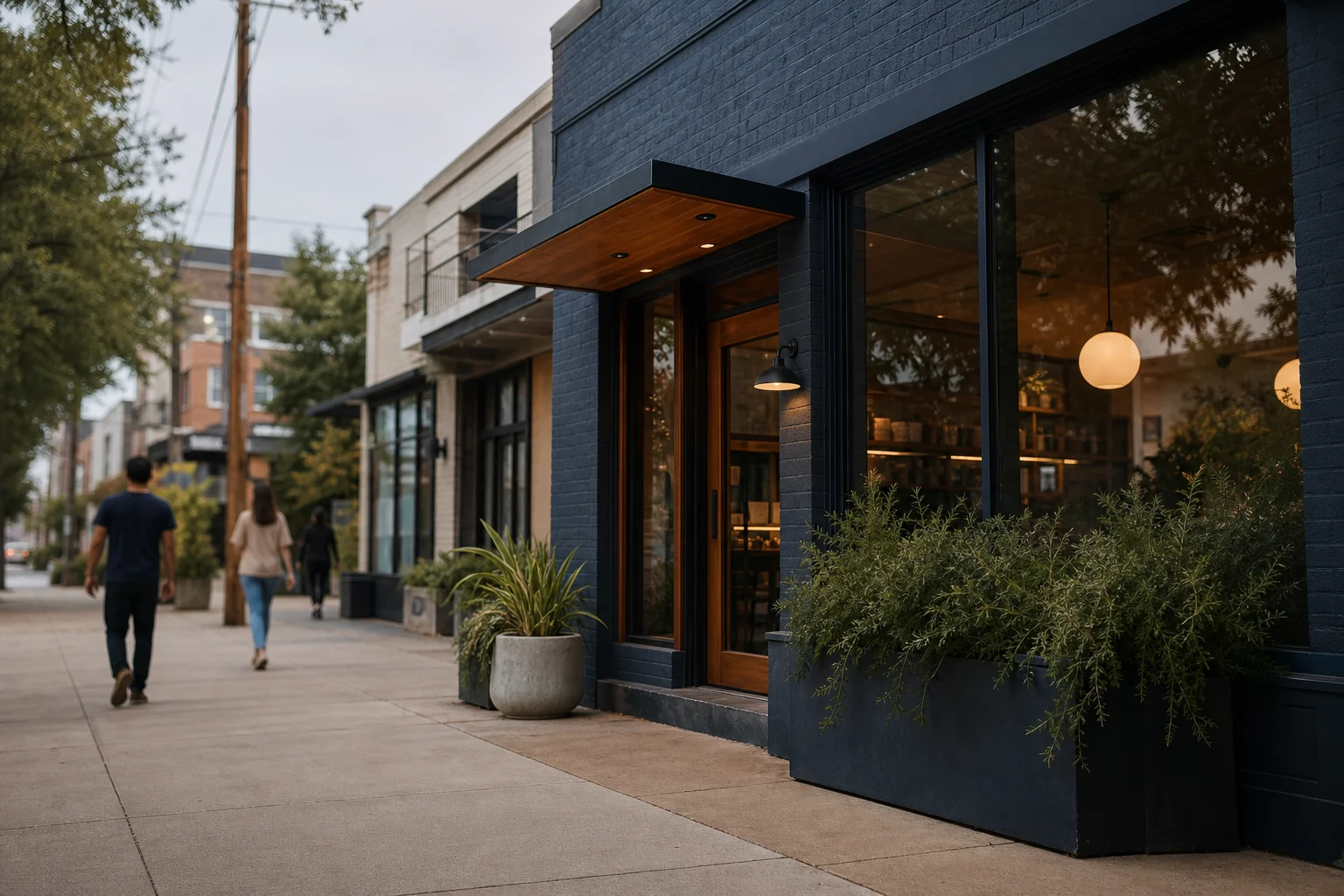
Equipment categories by launch format
When planning your juice and smoothie bar equipment costs San Diego, your launch format significantly impacts your equipment needs. Full-service juice bars require comprehensive equipment inventories, while kiosk or grab-and-go models can operate with fewer, more specialized machines. The University City/UTC area, with its high office and student demand, supports a full-service model with multiple juice/smoothie operators already established. In contrast, Downtown/Gaslamp Quarter's tourist and nightlife focus might favor a more streamlined operation.
Your equipment categories will generally include:
- Juice extraction equipment (commercial juicers)
- Blending systems (high-speed blenders)
- Refrigeration units (reach-in coolers, display cases)
- Food preparation stations
- POS systems
- Storage solutions
The competition density in your chosen location affects how extensively you should invest in equipment. University City/UTC has four existing juice/smoothie operators within 600m, suggesting a need for differentiation through specialized equipment or premium offerings. Downtown/Gaslamp Quarter and Little Italy have fewer direct competitors, potentially allowing for more standard equipment investments.
Buildout assumptions that change the budget
Buildout requirements vary significantly across San Diego's top neighborhoods, directly impacting your equipment budget. University City/UTC commands roughly $45-70/sqft NNN, reflecting its prime UCSD-adjacent location with maxed-out office and student demand. This higher rent level typically necessitates more efficient space utilization, influencing equipment selection and layout.
In Downtown/Gaslamp Quarter and Little Italy, where rent levels are lower at $30-50/sqft NNN, you may have more flexibility in your buildout approach. These areas allow for potentially larger footprints or more elaborate design elements that can enhance customer experience without the same pressure on space efficiency.
The market temperature in your chosen location also affects buildout assumptions. University City/UTC's "promising" market temperature suggests strong demand but also higher expectations for quality and service. This may justify investing in more durable, commercial-grade equipment that can withstand heavy usage. The walkability-maxed environments of Downtown/Gaslamp Quarter and Little Italy's trendy F&B corridor influence how equipment is positioned for customer visibility and accessibility.
New vs used equipment tradeoffs
When evaluating juice and smoothie bar equipment costs San Diego, the decision between new and used equipment requires careful consideration of your location-specific needs. New equipment offers warranties, energy efficiency, and the latest technology but comes with a higher upfront cost. Used equipment can significantly reduce initial expenses but may lack warranty coverage and potentially have higher maintenance requirements.
In high-traffic areas like University City/UTC with its ≈10,500 weekday lunch workers within 800m, the reliability of new equipment might justify the investment. The area's competition density of medium suggests that operational efficiency is critical, and new equipment can minimize downtime.
For locations with lower rent levels like Downtown/Gaslamp Quarter and Little Italy, the budget flexibility might allow for a mix of new and used equipment. The Saturday farmers market in Little Italy, for example, creates periodic surges in demand that could be managed with strategically placed new equipment handling peak volumes while used equipment handles baseline operations.
The score confidence of 78% across San Diego's top locations indicates that market conditions are relatively stable, supporting equipment investment decisions with reasonable certainty about future usage patterns.
What to inspect in a second-generation space
When considering a second-generation space for your juice and smoothie bar, specific inspections can reveal opportunities to reduce equipment costs. Existing plumbing and electrical infrastructure may support certain equipment types, potentially eliminating the need for costly modifications.
In University City/UTC, where four juice/smoothie operators already exist within 600m, inspecting their former spaces could reveal proven equipment layouts and utility connections. The presence of JOE & THE JUICE, Vitality Bowls, everbowl, and Superberry Acai in this area suggests that certain equipment configurations have been successful in this specific market.
For Downtown/Gaslamp Quarter's two juice competitors (Nekter Juice Bar and Moonwalk juice bar), inspecting their previous locations could provide insights into equipment that performs well in a tourist and nightlife environment. The area's maxed-out walkability means customer flow is critical, and equipment placement should support efficient service.
Little Italy's single direct competitor, Choice Juicery at 443m, offers fewer data points but still valuable insights. The area's Italian-dining customer archetype means juice is complementary rather than primary, suggesting equipment that supports smaller batch production might be more appropriate.
Regardless of location, inspecting existing spaces should focus on verifying that utility capacities match your equipment requirements, assessing the condition of flooring that supports heavy equipment, and identifying any modifications needed for specialized equipment.
FAQ
What equipment do I need for A Juice and Smoothie Bar in San Diego?
The essential equipment for a juice and smoothie bar in San Diego includes commercial juicers, high-speed blenders, refrigeration units, food preparation stations, POS systems, and storage solutions. The specific equipment requirements vary based on your chosen location and format. University City/UTC's high-demand environment may warrant more robust equipment to handle peak volumes, while Downtown/Gaslamp Quarter and Little Italy might allow for more specialized or streamlined equipment selections. Your equipment decisions should align with the competition density and customer expectations in your specific neighborhood.
How does location affect equipment costs for a juice and smoothie bar in San Diego?
Location significantly impacts equipment costs through rent levels and market characteristics. University City/UTC's higher rent levels ($45-70/sqft NNN) typically require more space-efficient equipment solutions, while Downtown/Gaslamp Quarter and Little Italy's lower rent levels ($30-50/sqft NNN) allow for more flexible equipment investments. The competition density in each area also influences equipment needs—higher competition may require more specialized or premium equipment to differentiate your offerings.
What buildout considerations should I keep in mind for a juice and smoothie bar in San Diego?
Buildout considerations include utility capacity verification, flooring durability for heavy equipment, and layout optimization for customer flow. University City/UTC's office and student demand requires efficient layouts that can handle high volumes, while Downtown/Gaslamp Quarter's tourist environment benefits from equipment positioned for visibility and accessibility. Little Italy's Italian-dining customer archetype suggests equipment that supports complementary juice offerings rather than primary production.
Is it better to buy new or used equipment for a juice and smoothie bar in San Diego?
The decision between new and used equipment depends on your specific location and budget constraints. New equipment offers warranties and energy efficiency but comes with higher upfront costs. Used equipment reduces initial expenses but may require more maintenance. In high-traffic areas like University City/UTC with its ≈10,500 weekday lunch workers within 800m, new equipment's reliability might justify the investment. Areas with lower rent levels might allow for a strategic mix of new and used equipment.
What should I look for when inspecting a second-generation space for my juice and smoothie bar?
When inspecting a second-generation space, focus on verifying that existing utility connections match your equipment requirements, assessing flooring durability for heavy equipment, and identifying any necessary modifications. In areas with existing juice/smoothie operators like University City/UTC, inspecting their former spaces can reveal proven equipment layouts. The condition of existing infrastructure can significantly impact your equipment budget and operational efficiency.
Last reviewed: 2026-05-08
Sources: U.S. Census Bureau ACS, LEHD LODES, Google Places, OpenStreetMap, Locavisor neighborhood scoring.
Methodology: Locavisor scores neighborhoods across demand, competition fit, rent fit, accessibility, and customer match. Scores reflect a snapshot of recent data and should be combined with on-the-ground research before lease decisions.
Disclaimer: This article provides informational content only and does not constitute legal, financial, accounting, or real-estate advice. Verify lease terms, licensing, local regulations, costs, and professional requirements with qualified local professionals before making business decisions.
Free preview shows top 3 neighborhoods. Full $9.99 report covers all 10 areas with personalized scoring + 90-day check-ins.
Informational only. Verify lease, licensing, local regulations, costs, and professional requirements with qualified local professionals.