San Francisco, CA · juice and smoothie bar
Juice and smoothie bar equipment costs San Francisco
Planning a juice and smoothie bar in San Francisco requires careful consideration of equipment and buildout costs. Locavisor neighborhood scoring identifies Tenderloin as the best fit for a juice-smoothie concept, with an overall score of 7.2/10. The market temperature is promising, competition density is medium, and rent level is high. Before diving into equipment specifics, understand that your buildout budget will be heavily influenced by San Francisco's high rent environment and the specific neighborhood you choose.
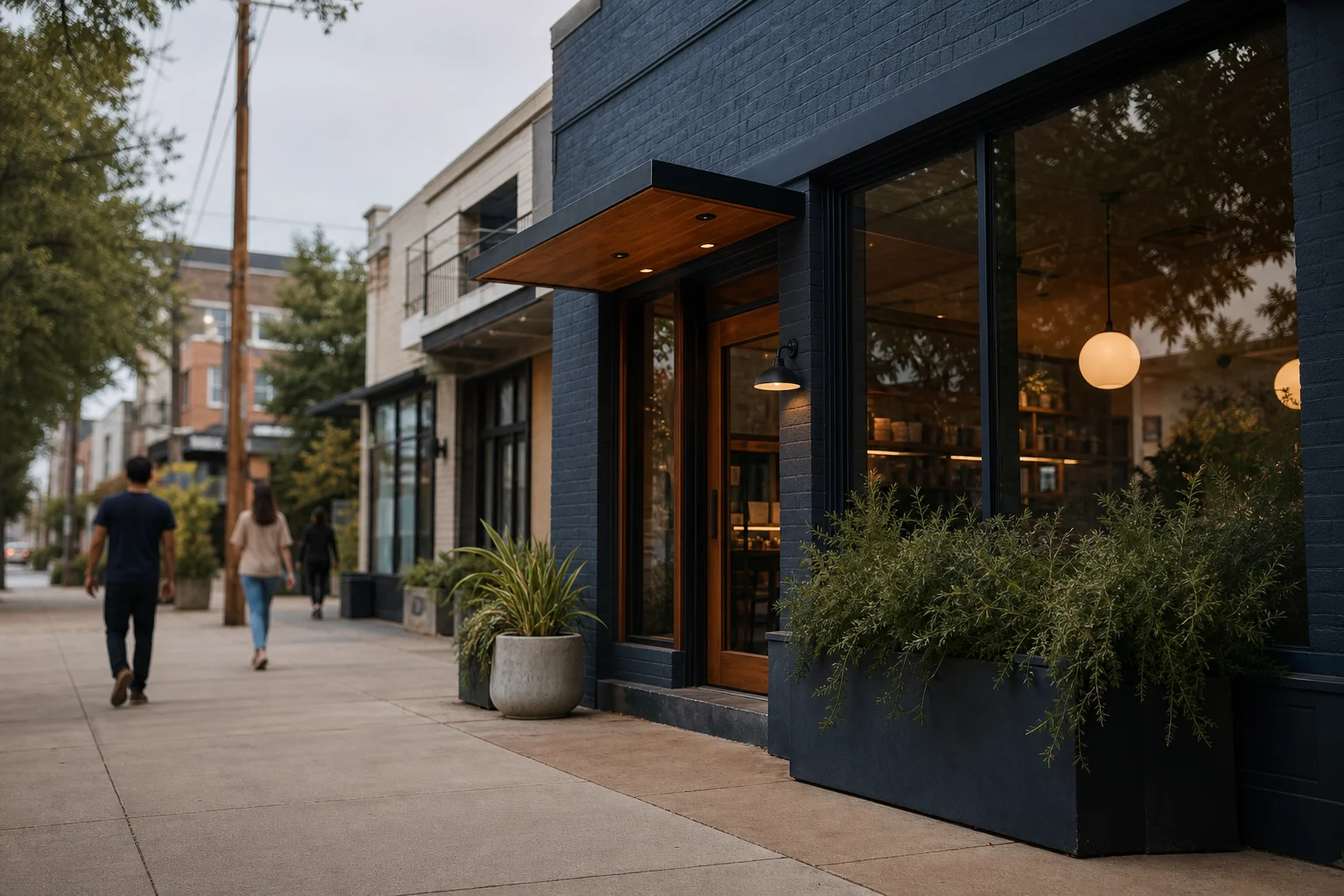
Equipment categories by launch format
Your equipment needs will vary based on your chosen format. Juice bars typically fall into three categories: juice-focused, smoothie-focused, or hybrid models. A juice-focused operation requires commercial-grade juicers, produce prep stations, and cold storage. Smoothie bars need high-speed blenders, ingredient stations, and frozen storage solutions. Hybrid models must balance both equipment types while optimizing for space efficiency.
The Tenderloin area presents an interesting opportunity with two existing juice operators (Jamba at 3.4★, BetterBlends at 3.6★) that are weak incumbents. This suggests a quality-focused concept could differentiate itself with superior equipment. In Nob Hill, you'd face stronger competition with Muse Juice Bar (4.9★, 236 reviews) and Bowl'd Acai (4.4★, 341 reviews), both well-rated and established. Chinatown shows both validation and saturation risk with JOE & THE JUICE having three locations within 800m, plus Jamba and Pressed Juicery.
Your equipment decisions should align with your target market's expectations. In high-rent areas like San Francisco, customers often expect premium equipment that delivers consistent quality. Commercial-grade juicers can range from centrifugal models for high-volume operations to cold-press systems for premium pricing tiers. Blender capacity matters too—consider whether you'll prioritize speed for high-volume service or power for creating ultra-smooth textures with tough ingredients.
Buildout assumptions that change the budget
Buildout requirements significantly impact your equipment budget. San Francisco's high rent level means you'll likely be working with smaller spaces, requiring more compact equipment solutions. The 78% score confidence in Locavisor's data suggests reliable planning, but you'll need to validate actual space constraints before finalizing equipment purchases.
In the Tenderloin, you'll benefit from walkability, transit access, and daytime population near ceiling. This high foot traffic justifies investing in visible equipment that serves as both functional tools and marketing elements. Your buildout should prioritize customer visibility of the juicing and blending process, which can justify more expensive open-kitchen equipment designs.
Nob Hill's strong office-worker density and upscale residential foot traffic suggest different buildout priorities. Here, equipment aesthetics become more important, with stainless steel finishes and modern designs that match the neighborhood's upscale character. Chinatown's high demand score—office index, morning daypart, and daytime population at ceiling—means your equipment must handle peak rushes efficiently while maintaining consistent quality.
Your buildout budget will also depend on whether you're constructing a new space or retrofitting an existing location. New construction allows for optimal equipment placement and utility connections but comes with higher costs. Retrofitting requires careful planning to integrate new equipment with existing infrastructure, potentially requiring modifications that add to your budget.
New vs used equipment tradeoffs
The decision between new and used equipment affects both upfront costs and long-term reliability. New equipment comes with warranties and the latest technology but represents a significant capital investment. Used equipment reduces initial costs but may require more maintenance and lack warranty protection.
In San Francisco's high-rent environment, the cost pressure makes used equipment attractive. However, the promising market temperature suggests strong revenue potential that could justify investing in new equipment. The medium competition density means you have room to differentiate through equipment quality—new, high-performance machines can create a competitive advantage.
When considering used equipment, prioritize commercial-grade models from reputable brands. Restaurant liquidation sales can offer significant savings, but inspect equipment thoroughly for wear on critical components like juicer augers or blender blades. The 2026-05 snapshot data doesn't include specific equipment prices, but in San Francisco's market, used commercial blenders might cost 40-60% of new retail prices.
Your equipment maintenance plan should factor into this decision. New equipment typically comes with manufacturer support, while used equipment requires establishing relationships with local repair technicians. In neighborhoods like Nob Hill with established competitors, reliable equipment becomes crucial for maintaining service consistency during busy periods.
What to inspect in a second-generation space
When considering a space previously occupied by another juice and smoothie bar, thorough inspection of existing infrastructure can save significant buildout costs. Look for compatible utility connections—gas lines for blenders, electrical capacity for refrigeration, and proper ventilation for juice stations.
The Tenderloin's existing juice operators suggest potential second-generation spaces with compatible infrastructure. However, equipment specifications may have changed since the previous tenant's installation. Verify that existing connections match your equipment requirements, particularly for specialized items like cold-press juicers that may need specific electrical configurations.
In Nob Hill, where established competitors operate, second-generation spaces might offer proven traffic patterns but require equipment upgrades to meet higher customer expectations. Chinatown's saturation with juice operators means more second-generation options but also more competition for customer attention. Your equipment inspection should focus on identifying opportunities to differentiate through superior technology or more efficient workflows.
Pay special attention to plumbing and drainage systems, which are critical for juice and smoothie operations. Inadequate drainage can lead to health code violations and operational disruptions. The high rent level in San Francisco makes maximizing every square foot essential, so verify that existing layouts can accommodate your preferred equipment arrangement without compromising workflow efficiency.
FAQ
What equipment do I need for A Juice and Smoothie Bar in San Francisco?
Essential equipment includes commercial juicers (centrifugal or cold-press), high-speed blenders, refrigeration units for produce and prepared ingredients, prep stations, POS systems, and glassware. Your specific needs depend on your format—juice-focused, smoothie-focused, or hybrid. San Francisco's high-rent environment may require space-saving solutions like under-counter refrigeration or multi-function equipment.
How does neighborhood choice affect equipment costs?
Neighborhood impacts equipment costs through rent levels and customer expectations. High-rent areas like San Francisco generally favor more compact, efficient equipment. In upscale neighborhoods like Nob Hill, equipment aesthetics become more important, potentially increasing costs. Areas with established competitors may require higher-performance equipment to differentiate your offering.
Should I buy new or used equipment for my San Francisco juice bar?
The decision depends on your budget and business strategy. New equipment offers reliability and warranty protection but requires higher upfront investment. Used equipment reduces initial costs but may need more maintenance. In San Francisco's market, the promising temperature suggests strong revenue potential that could justify new equipment investments, particularly in high-traffic areas.
What buildout factors most impact equipment budgets?
Space constraints, utility compatibility, and ventilation requirements significantly impact equipment budgets. San Francisco's high rent often means smaller spaces requiring more compact equipment. Proper electrical, plumbing, and gas connections for commercial equipment are essential. Visibility of the preparation process can justify more expensive open-kitchen designs in customer-facing areas.
How do I evaluate equipment for a second-generation space?
Inspect existing utility connections for compatibility with your equipment needs. Verify plumbing and drainage systems meet health code requirements. Assess whether existing layouts can accommodate your preferred equipment arrangement without compromising workflow. In competitive areas like Chinatown, look for opportunities to differentiate through superior equipment technology or more efficient processes.
Last reviewed: 2026-05-08
Sources: U.S. Census Bureau ACS, LEHD LODES, Google Places, OpenStreetMap, Locavisor neighborhood scoring.
Methodology: Locavisor scores neighborhoods across demand, competition fit, rent fit, accessibility, and customer match. Scores reflect a snapshot of recent data and should be combined with on-the-ground research before lease decisions.
Disclaimer: This article provides informational content only and does not constitute legal, financial, accounting, or real-estate advice. Verify lease terms, licensing, local regulations, costs, and professional requirements with qualified local professionals before making business decisions.
Free preview shows top 3 neighborhoods. Full $9.99 report covers all 10 areas with personalized scoring + 90-day check-ins.
Informational only. Verify lease, licensing, local regulations, costs, and professional requirements with qualified local professionals.