San Jose, CA · juice and smoothie bar
Juice and smoothie bar equipment costs San Jose
Opening a juice and smoothie bar in San Jose requires careful planning of your equipment budget. The right equipment setup impacts operational efficiency, product quality, and ultimately your bottom line. Understanding juice and smoothie bar equipment costs San Jose involves more than just listing appliances—it's about aligning your equipment strategy with your business model and location-specific factors.
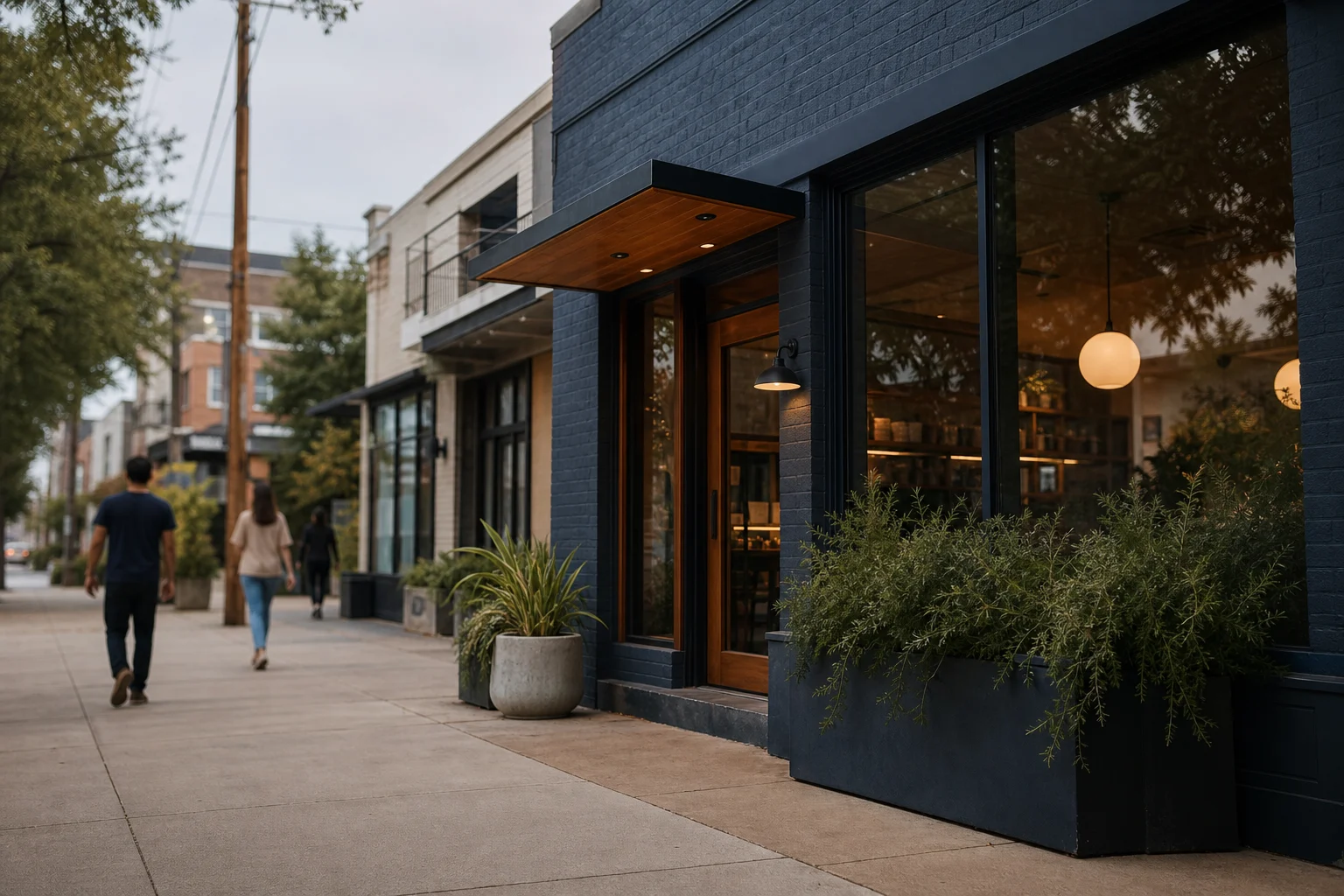
Equipment categories by launch format
Your equipment needs will vary significantly based on your chosen format. A full-service juice and smoothie bar requires different equipment than a kiosk or grab-and-go model. In San Jose's competitive market, your format choice directly impacts both initial investment and ongoing operational costs.
For a full-service operation, you'll need commercial-grade juicers capable of handling high volumes. Consider centrifugal juicers for speed and masticating juicers for higher yield and nutrient retention. High-speed blenders are non-negotiable for creating smooth, consistent textures. Your refrigeration system must accommodate both fresh produce storage and pre-portioned ingredients to maintain efficiency during peak hours.
A kiosk model reduces equipment needs but requires careful space optimization. Countertop juicers and compact blenders become essential, along with efficient refrigeration solutions that maximize limited space. The Santana Row / Valley Fair area, with its premium retail positioning, might support a higher-end equipment investment, while the Naglee Park / Valley Fair area could benefit from more space-efficient solutions.
Your menu complexity drives equipment decisions beyond just juicers and blenders. If you plan to offer nut milks, you'll need specialized equipment. Cold-pressed juice operations require different machinery than fresh-squeezed models. Each format carries different cost pressures, influenced by San Jose's rent levels and market temperature.
Buildout assumptions that change the budget
Buildout requirements significantly impact your equipment budget. In San Jose, the Downtown San Jose area presents the strongest opportunity with its 7.4/10 score, anchored by SJSU, Adobe HQ, and Diridon Station. This dense daytime workforce and student population align perfectly with juice/smoothie morning and lunch dayparts. Your buildout here must accommodate high-volume service during peak hours.
The Santana Row / Valley Fair area commands higher rent expectations—roughly $45-70/sqft NNN—with a mall-lease premium that may push higher. This premium location justifies more substantial buildout investments, including specialized equipment that enhances the premium customer experience. The existing competitors, Pressed Juicery (4.1★, 181 reviews) and Planet Smoothie (2.3★, 7 reviews), set the quality bar your equipment must meet.
In the Naglee Park / SJSU area, the student index is city-leading, and residential density is strong, but office density is below-average. Your buildout here should focus on equipment that handles academic calendar fluctuations efficiently. Seasonal demand patterns suggest equipment that can scale production during peak periods without excessive fixed costs.
Your buildout must also consider utility infrastructure. Juice and smoothie operations require significant electrical capacity for multiple high-power appliances simultaneously. Water quality and availability impact both equipment selection and operational efficiency. Each San Jose location presents different utility considerations that affect your equipment budget.
New vs used equipment tradeoffs
The decision between new and used equipment represents a critical budget consideration. New equipment offers warranty protection, energy efficiency, and the latest technology, but comes with a higher initial investment. Used equipment reduces upfront costs but carries higher maintenance risks and potentially shorter useful life.
In San Jose's market temperature—currently rated as promising—the balance between initial investment and operational efficiency becomes particularly important. Downtown San Jose's medium competition density suggests an opportunity to differentiate through equipment quality. New, high-performance equipment could provide operational advantages that justify the investment.
The Santana Row / Valley Fair area's premium positioning might warrant new equipment investments that align with the area's upscale customer expectations. Your equipment's appearance and performance contribute to the overall customer experience in this high-visibility location.
Used equipment requires thorough inspection protocols. Check for wear on critical components, verify service history, and test performance under load. The Naglee Park / SJSU area's student-driven demand patterns might make used equipment a strategic choice, as academic calendar fluctuations create natural equipment replacement cycles.
Your equipment financing strategy should consider both purchase options and their impact on cash flow. New equipment often qualifies for better financing terms but requires larger down payments. Used equipment financing may have higher interest rates but lower initial capital requirements.
What to inspect in a second-generation space
Evaluating existing spaces requires a systematic approach to equipment assessment. When considering a second-generation location in San Jose, your inspection should focus on both visible equipment and hidden infrastructure that supports your operations.
Begin by assessing the condition of existing equipment. Check juicer blades for wear, blender motor performance, and refrigeration system efficiency. Test all equipment under load conditions to identify potential issues that might not be apparent during casual inspection. The Downtown San Jose area's lack of direct juice-smoothie competitors means you might inherit spaces originally configured for different concepts, requiring equipment adaptation.
Examine utility infrastructure beyond what's visible. Verify electrical capacity for your planned equipment load, assess water quality and pressure, and evaluate drainage capabilities. These factors significantly impact your equipment budget and operational efficiency. The Santana Row / Valley Fair area's premium rent levels demand thorough infrastructure assessment to avoid unexpected buildout costs.
Consider layout efficiency for your specific equipment needs. Existing configurations might not optimize workflow for juice and smoothie operations. Measure clearances between stations, verify adequate workspace for ingredient preparation, and assess customer flow patterns. The Naglee Park / SJSU area's student population requires efficient layouts that can handle high-volume service during peak academic periods.
Document existing equipment condition thoroughly before lease negotiation. This documentation forms the basis for your buildout budget and leasehold improvement planning. The 78% score confidence in San Jose area assessments suggests that thorough due diligence is particularly important in this market.
FAQ
What equipment do I need for A Juice and Smoothie Bar in San Jose?
Your equipment needs depend on your format and menu. Essential equipment typically includes commercial juicers (centrifugal or masticating), high-speed blenders, refrigeration systems, prep stations, and POS systems. Additional equipment might include display cases, storage solutions, and specialized items for specific menu offerings like nut milk processing or cold-press operations.
How does location affect my equipment budget in San Jose?
Different San Jose neighborhoods present different cost structures. Downtown San Jose offers strong daytime traffic with medium competition density, potentially justifying higher equipment investments. Santana Row / Valley Fair commands premium rents but supports premium pricing, allowing for more substantial equipment investments. Naglee Park / SJSU's student-driven demand might favor more flexible, scalable equipment solutions.
Should I buy new or used equipment for my San Jose juice bar?
The decision depends on your budget, business model, and risk tolerance. New equipment offers warranty protection and energy efficiency but requires higher initial investment. Used equipment reduces upfront costs but carries higher maintenance risks. Consider your location's positioning and customer expectations when making this decision.
What should I look for in a second-generation space?
When evaluating existing spaces, inspect equipment condition thoroughly, verify utility infrastructure capacity, assess layout efficiency for your specific needs, and document existing conditions before lease negotiation. Pay special attention to electrical capacity, water quality, and drainage capabilities that support juice and smoothie operations.
How does San Jose's market temperature affect my equipment planning?
San Jose's promising market temperature suggests favorable conditions for new juice and smoothie businesses. This positive outlook might justify strategic equipment investments that position your business for growth. However, the medium competition density requires careful equipment selection that differentiates your offering while maintaining operational efficiency.
Last reviewed: 2026-05-08
Sources: U.S. Census Bureau ACS, LEHD LODES, Google Places, OpenStreetMap, Locavisor neighborhood scoring.
Methodology: Locavisor scores neighborhoods across demand, competition fit, rent fit, accessibility, and customer match. Scores reflect a snapshot of recent data and should be combined with on-the-ground research before lease decisions.
Disclaimer: This article provides informational content only and does not constitute legal, financial, accounting, or real-estate advice. Verify lease terms, licensing, local regulations, costs, and professional requirements with qualified local professionals before making business decisions.
Free preview shows top 3 neighborhoods. Full $9.99 report covers all 10 areas with personalized scoring + 90-day check-ins.
Informational only. Verify lease, licensing, local regulations, costs, and professional requirements with qualified local professionals.