Seattle, WA · juice and smoothie bar
Juice and smoothie bar equipment costs Seattle
Planning a juice and smoothie bar in Seattle requires careful consideration of equipment costs and buildout requirements. The market temperature is promising with medium competition density and low rent level, making it an opportune time for entrepreneurs to enter this space. Understanding the equipment needs and associated costs is crucial for creating a functional and profitable operation.
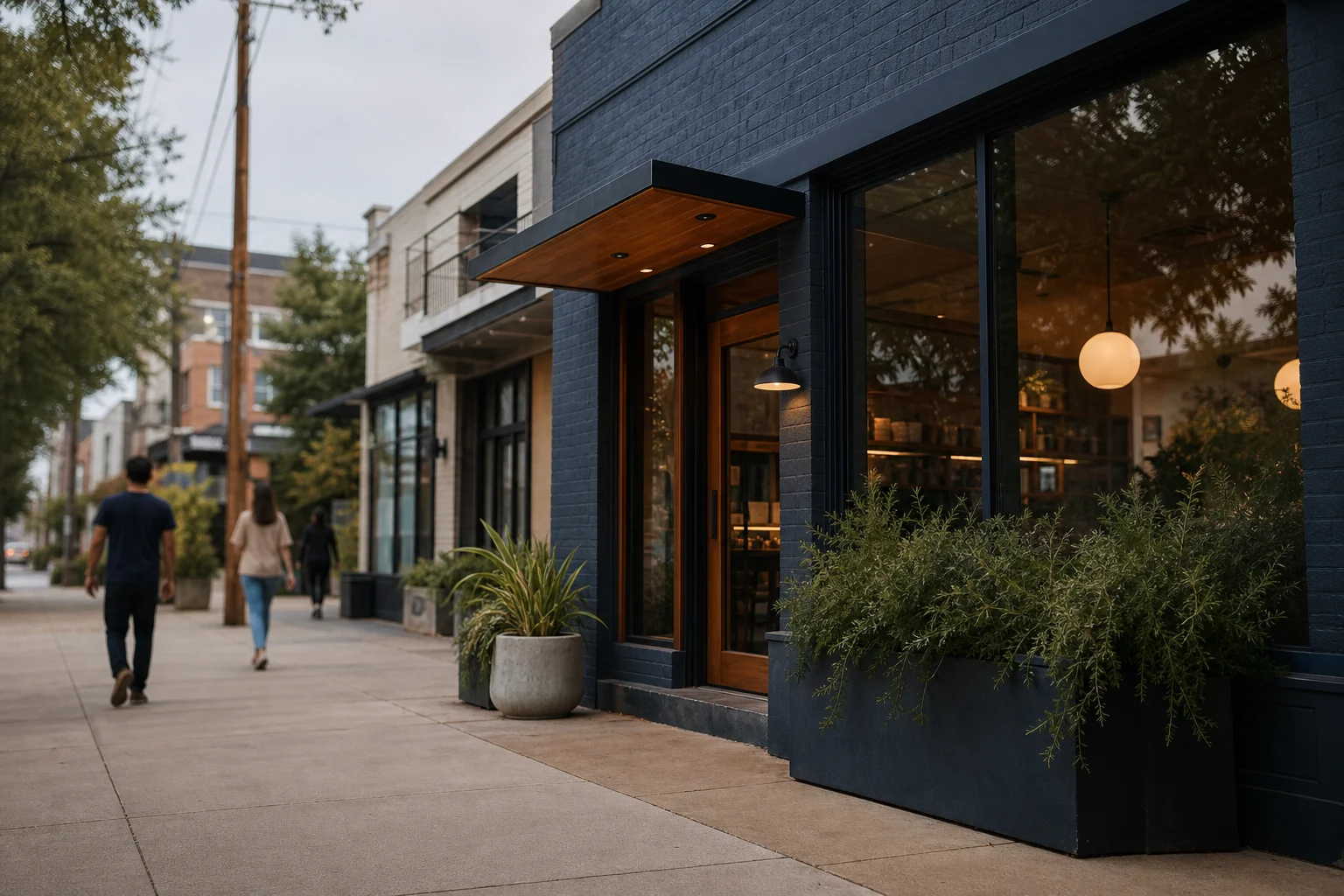
Equipment Categories by Launch Format
The equipment needs for a juice and smoothie bar vary significantly based on your chosen format. A full-service operation with seating requires different equipment than a grab-and-go kiosk model. For a traditional juice bar, you'll need commercial-grade juicers, blenders, refrigeration units, and point-of-sale systems. A kiosk format might prioritize space efficiency with compact equipment that doesn't sacrifice functionality.
Seattle's Eastlake / Cascade neighborhood (7.8/10) offers a promising location with no direct juice-smoothie competitors and rent levels of roughly $30-50/sqft NNN. This area's strong morning/lunch daypart scores and residential density provide a solid customer base. Your equipment choices should align with the neighborhood's demographics and traffic patterns.
Capitol Hill (7.6/10) presents a different scenario with Seattle's densest walkable neighborhood and one direct competitor, Emerald City Smoothie (3.8★, 139 reviews). The higher rent of roughly $45-70/sqft NNN in this premium location justifies investment in more sophisticated equipment that can differentiate your offerings from the existing competitor.
Madrona / Leschi (7.5/10) offers the most affordable rent option at roughly $30-50/sqft NNN, with no direct juice-smoothie competitors. This lakefront residential neighborhood's tight, walkable commercial core along 34th Ave suggests equipment that can handle both weekday and weekend traffic efficiently.
Buildout Assumptions That Change the Budget
Buildout requirements significantly impact your equipment budget. A ground-up construction allows for optimal equipment placement but comes with higher costs. Retrofitting an existing space can reduce buildout expenses but may require compromises on equipment layout and functionality.
The rent level in your chosen neighborhood directly influences how much you can allocate to equipment. Eastlake / Cascade and Madrona / Leschi's lower rent range of $30-50/sqft NNN provides more budget flexibility for premium equipment. Capitol Hill's higher rent of $45-70/sqft NNN might necessitate more cost-effective equipment solutions or a smaller footprint.
Seattle's building codes and health department requirements will dictate certain buildout elements that affect equipment placement. These requirements are non-negotiable and should be factored into your planning process. The specific requirements vary by location within Seattle, so consulting with local professionals is essential.
New vs Used Equipment Tradeoffs
New equipment offers the latest technology, full warranties, and energy efficiency. These factors can translate to lower operating costs over time. However, the initial investment is significantly higher, which may strain your startup capital, especially in neighborhoods with higher rent like Capitol Hill.
Used equipment presents a more budget-friendly option with lower upfront costs. The savings can be substantial, allowing for investment in other areas of your business. However, used equipment comes with risks including potential maintenance issues, shorter remaining lifespan, and possibly higher energy consumption.
The market temperature in Seattle being promising suggests that investing in reliable equipment is wise. A mix of new and used equipment might provide the best balance of cost and reliability. For critical equipment like juicers and blenders that directly impact product quality, new purchases might be justified, while less critical items could be purchased used.
What to Inspect in a Second-Generation Space
When considering a space that previously housed a food service business, several equipment-related inspections are crucial. Check the existing utility connections to ensure they meet your equipment's requirements. Inadequate electrical, plumbing, or ventilation systems may necessitate expensive upgrades.
The physical layout of the space should be evaluated for equipment placement efficiency. A space designed for a different type of food service might require significant modifications to accommodate juice and smoothie bar equipment. The Eastlake / Cascade area's lack of direct juice-smoothie competitors means you might be adapting a space not originally designed for your specific needs.
Inspect the condition of existing infrastructure including flooring, walls, and ceilings. Juice and smoothie operations require easy-to-clean surfaces and durable flooring that can withstand moisture. The residential density in Eastlake / Cascade and Madrona / Leschi suggests weekend traffic that will test your space's durability.
FAQ
What equipment do I need for a juice and smoothie bar in Seattle?
The essential equipment for a juice and smoothie bar in Seattle includes:
Juicing Equipment: Commercial-grade juicers for different types of produce (centrifugal, masticating, and citrus juicers). The specific types depend on your menu offerings and production volume.
Blending Equipment: High-performance blenders capable of handling frozen fruits, ice, and tough vegetables. Consider noise levels, especially in residential areas like Madrona / Leschi.
Refrigeration: Reach-in refrigerators for fresh produce storage, prep tables, and possibly a walk-in cooler depending on your scale. Capitol Hill's higher rent might necessitate more space-efficient refrigeration solutions.
Prep Stations: Stainless steel workstations with sinks for preparation and cleaning. The density of walkable areas in Capitol Hill suggests efficient use of limited space is crucial.
Point of Sale System: A reliable POS system that can handle orders, payments, and inventory management. Consider integration with potential future expansion plans.
Storage Solutions: Shelving and storage for supplies, ingredients, and packaging materials. The strong residential density in Eastlake / Cascade suggests inventory management systems that can handle fluctuating demand.
Furniture and Fixtures: Seating, counters, display cases, and decor that align with your brand and the neighborhood character. The unique character of each Seattle neighborhood should inform your choices.
Smallwares: Knives, cutting boards, measuring tools, containers, and other preparation essentials. The medium competition density suggests differentiation through quality equipment and presentation.
The specific equipment needs will vary based on your chosen format, menu offerings, and location within Seattle. Eastlake / Cascade's lack of direct competitors allows for equipment that can establish your unique positioning, while Capitol Hill's existing competitor might require equipment that enables differentiation.
Last reviewed: 2026-05-08
Sources: U.S. Census Bureau ACS, LEHD LODES, Google Places, OpenStreetMap, Locavisor neighborhood scoring.
Methodology: Locavisor scores neighborhoods across demand, competition fit, rent fit, accessibility, and customer match. Scores reflect a snapshot of recent data and should be combined with on-the-ground research before lease decisions.
Disclaimer: This article provides informational content only and does not constitute legal, financial, accounting, or real-estate advice. Verify lease terms, licensing, local regulations, costs, and professional requirements with qualified local professionals before making business decisions.
Free preview shows top 3 neighborhoods. Full $9.99 report covers all 10 areas with personalized scoring + 90-day check-ins.
Informational only. Verify lease, licensing, local regulations, costs, and professional requirements with qualified local professionals.