Washington, DC · juice and smoothie bar
Juice and smoothie bar equipment costs Washington
Opening a juice and smoothie bar in Washington, DC requires careful planning around equipment and buildout costs. The city's competitive market and high rent bands mean every dollar spent on equipment and construction needs to be justified by potential return on investment. Washington's vibrant neighborhoods like Foggy Bottom, Dupont Circle, and Logan Circle offer prime locations but come with significant overhead costs that directly impact your equipment and buildout budget decisions.
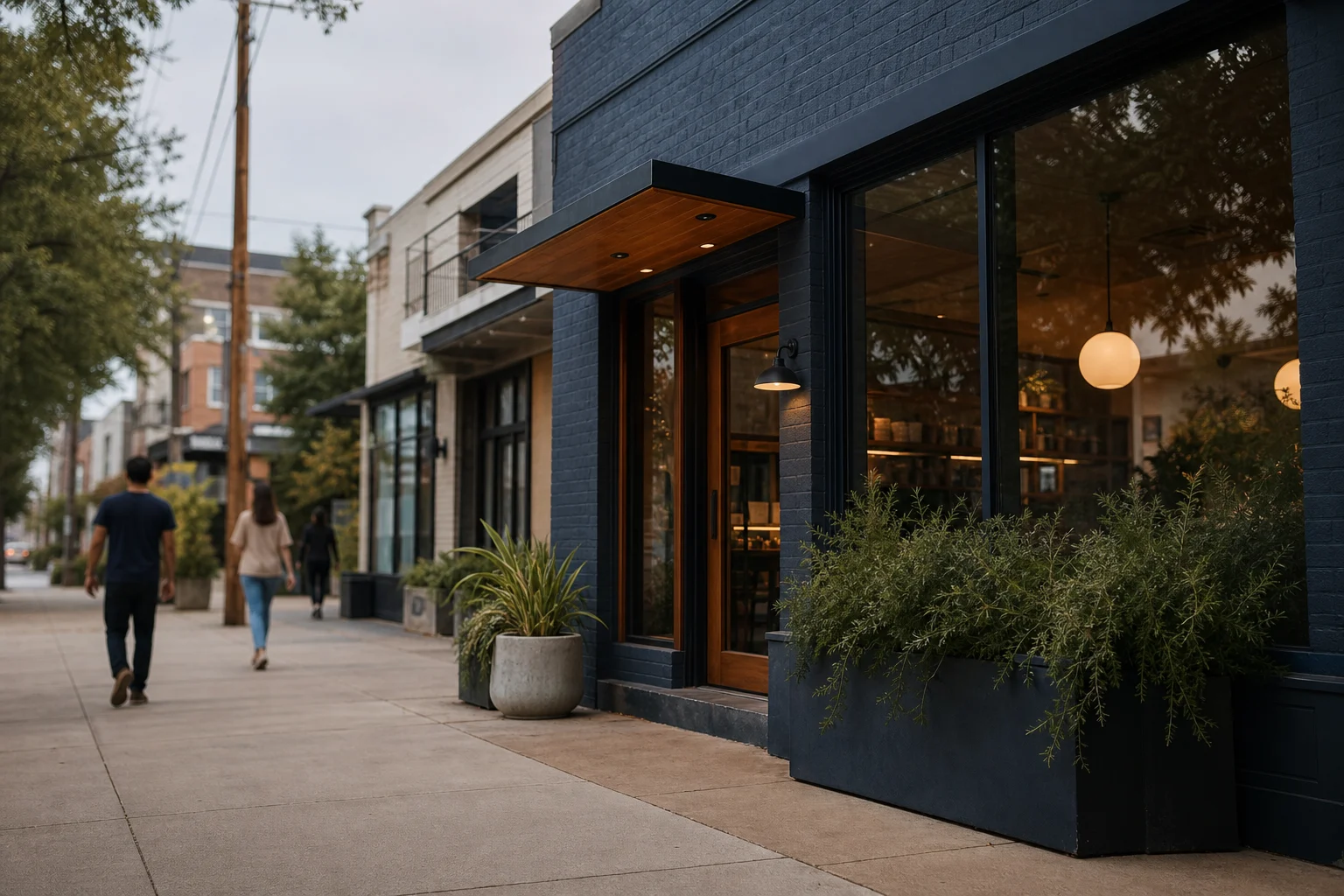
What equipment do you need to open a juice and smoothie bar in Washington?
The core equipment for a juice and smoothie bar typically includes:
- Commercial-grade blenders (high-speed and standard)
- Juicers (centrifugal, masticating, or hydraulic)
- Refrigeration units (reach-in coolers, under-counter refrigerators)
- Ice machines
- POS system
- Storage solutions
- Cleaning and sanitation equipment
- Small appliances (toasters, coffee machines if offering additional items)
In Washington, where rent bands range from $35-$85/sqft/yr NNN across top neighborhoods like Foggy Bottom/GWU (8.8/10 score) and Dupont Circle (7.3/10 score), space efficiency becomes critical. Your equipment selection must maximize productivity in limited square footage while maintaining the quality that Washington consumers expect.
Buildout cost categories
Plumbing and electrical
Washington's building codes require specific plumbing and electrical installations for commercial food establishments. You'll need:
- Dedicated water lines for juicers and ice machines
- Three-compartment sink for washing, rinsing, and sanitizing
- Grease trap installation
- Sufficient electrical capacity for high-wattage equipment
- Emergency shut-off systems
These requirements can significantly impact your buildout budget, especially in older buildings common in neighborhoods like Embassy Row/Massachusetts Ave (7.1/10 score) where electrical systems may need upgrades.
HVAC and ventilation
Proper ventilation is non-negotiable for juice and smoothie bars in Washington's humid summers. You'll need:
- Commercial-grade exhaust hoods
- Make-up air systems
- Climate control that maintains optimal temperatures for both customers and perishable ingredients
- Filtration systems to manage odors in densely populated areas
In Logan Circle (7.2/10 score), where space is at a premium, efficient HVAC design becomes even more critical to avoid wasting valuable square footage.
Flooring and finishes
Your flooring and finishes must balance aesthetics with functionality:
- Slip-resistant flooring that's easy to clean
- Wall finishes that resist moisture and staining
- Countertops that can withstand constant use and cleaning
- Lighting that creates an inviting atmosphere while providing adequate task lighting
In Chevy Chase DC (6.9/10 score), where customers may have higher expectations for ambiance, investing in quality finishes can help justify premium pricing.
Permits-driven items
Washington, DC requires specific permits for food service establishments:
- Food service permit from the DC Department of Health
- Building permit for any structural changes
- Signage permit for exterior signage
- Fire safety permits
These permits often dictate specific equipment or buildout requirements that can add unexpected costs to your project.
Furniture and signage
While not strictly "equipment," furniture and signage are essential buildout elements:
- Customer seating and tables
- Service counters
- Interior and exterior signage
- Storage solutions for supplies and equipment
In Foggy Bottom/GWU (8.8/10 score), where foot traffic from Georgetown Park and The George Washington University is high, prominent signage becomes a marketing necessity.
Equipment line items to validate in Washington
When selecting equipment for your Washington juice and smoothie bar, consider these specific factors:
Blenders: High-speed blenders are essential for smoothies, but consider noise levels if located near offices or residential areas in neighborhoods like Dupont Circle.
Juicers: Washington consumers are health-conscious, so investing in quality juicers that preserve nutrients is worthwhile, but balance this with maintenance requirements.
Refrigeration: With rent bands at $35-$85/sqft/yr NNN, efficient refrigeration that maximizes storage in minimal space is crucial.
POS Systems: Choose a system that integrates with Washington's local payment preferences and can handle high transaction volumes in busy areas.
Cleaning Equipment: Given health department scrutiny in DC, invest in commercial-grade cleaning equipment that ensures compliance.
How established operators in Washington configure their kitchens
Looking at successful juice and smoothie bars in Washington provides valuable insights:
- Smoothie King in Foggy Bottom/GWU focuses on efficiency with a streamlined menu that allows for quick service in a high-traffic area.
- Pure Green - Juice Bar Dupont Circle emphasizes fresh, organic ingredients with equipment that supports their health-focused brand.
- Pressed Juicery in Logan Circle uses specialized cold-press juicers that justify their premium pricing strategy.
These operators have configured their kitchens to balance speed, quality, and space efficiency - crucial factors given Washington's rent bands and customer expectations.
Equipment Configuration by Washington Neighborhood
| Neighborhood | Primary Equipment Focus | Space Efficiency Priority | Customer Experience Factor |
|---|---|---|---|
| Foggy Bottom/GWU (8.8/10) | High-speed blenders for quick service | Maximize counter space near transit | Fast service for students and office workers |
| Dupont Circle (7.3/10) | Premium juicers for health-conscious clientele | Compact refrigeration units | Ambiance and ingredient quality |
| Logan Circle (7.2/10) | Cold-press juicers for premium offerings | Multi-functional equipment | Artisanal presentation |
| Embassy Row (7.1/10) | Quiet operation equipment | Flexible layout for events | Corporate client preferences |
| Chevy Chase DC (6.9/10) | Durable, low-maintenance options | Storage optimization | Family-friendly atmosphere |
Used vs. new vs. lease
When acquiring equipment for your Washington juice and smoothie bar, consider these options:
- New equipment: Offers reliability and warranty coverage but comes with higher upfront costs
- Used equipment: Can reduce initial investment but may require more maintenance
- Leased equipment: Lowers upfront costs and includes maintenance, but long-term costs may be higher
In neighborhoods with high rent bands like Foggy Bottom/GWU (8.8/10 score), leasing might provide better cash flow, while in areas like Chevy Chase DC (6.9/10 score), purchasing used equipment could be more economical.
Buildout timeline
The buildout timeline for a juice and smoothie bar in Washington typically includes:
- Permitting phase (a variable local timeline): Submitting plans to DC agencies and waiting for approvals
- Design and engineering (a variable local timeline): Finalizing plans and specifications
- Construction phase (a variable local timeline): Actual buildout work
- Equipment installation (a variable local timeline): Installing and testing all equipment
- Inspections and approvals (a variable local timeline): Final health and building inspections
Delays in any phase can impact your opening date and cash flow, so building buffer time into your schedule is wise.
Common buildout overruns
Juice and smoothie bar buildouts in Washington often encounter these cost overruns:
- Unexpected structural issues: Older buildings in neighborhoods like Embassy Row may have hidden problems
- Permit delays: DC's regulatory environment can cause longer-than-expected approval times
- Utility upgrades: Electrical or plumbing systems may need upgrades to handle commercial equipment
- Design changes: Adjustments to meet health department requirements mid-project
- Equipment delays: Waiting for specialized equipment to arrive can halt progress
Having contingency funds available for these common issues is essential for staying on budget.
FAQ
What's the typical rent range for juice and smoothie bar locations in Washington?
Rent bands in Washington's top neighborhoods range from $35-$85/sqft/yr NNN. Foggy Bottom/GWU (8.8/10 score) and Dupont Circle (7.3/10 score) fall within this range, with Logan Circle (7.2/10 score) and Embassy Row/Massachusetts Ave (7.1/10 score) offering similar pricing.
How do I choose between different types of juicers for my Washington location?
Consider your menu, customer expectations, and maintenance capabilities. Cold-press juicers (like those used by Pressed Juicery in Logan Circle) preserve more nutrients but are slower and more expensive. Centrifugal juicers are faster but generate more heat. Match your equipment choice to your brand positioning in Washington's health-conscious market.
What health department requirements should I anticipate for my juice and smoothie bar?
The DC Department of Health requires:
- Three-compartment sink for washing, rinsing, and sanitizing
- Proper food storage temperatures
- Handwashing stations
- Pest control measures
- Regular inspections and reporting
These requirements directly impact your equipment selection and buildout design.
Last reviewed: 2026-05-30
Sources: U.S. Census Bureau ACS, LEHD LODES, Google Places, OpenStreetMap, Locavisor neighborhood scoring.
Methodology: Locavisor scores neighborhoods across demand, competition fit, rent fit, accessibility, and customer match. Scores reflect a snapshot of recent data and should be combined with on-the-ground research before lease decisions.
Disclaimer: This article provides informational content only and does not constitute legal, financial, accounting, or real-estate advice. Verify lease terms, licensing, local regulations, costs, and professional requirements with qualified local professionals before making business decisions.
Free preview shows top 3 neighborhoods. Full $9.99 report covers all 10 areas with personalized scoring + 90-day check-ins.
Informational only. Verify lease, licensing, local regulations, costs, and professional requirements with qualified local professionals.