Atlanta, GA · laundromat
Laundromat equipment costs Atlanta
Opening a laundromat in Atlanta requires careful planning around equipment and buildout costs. The equipment you choose will directly impact your operational efficiency, customer experience, and long-term profitability. Atlanta's diverse neighborhoods present different opportunities and challenges for laundromat operators, with varying rent structures and customer demographics that influence equipment decisions. Understanding the specific requirements for your chosen location is critical before committing to major purchases.
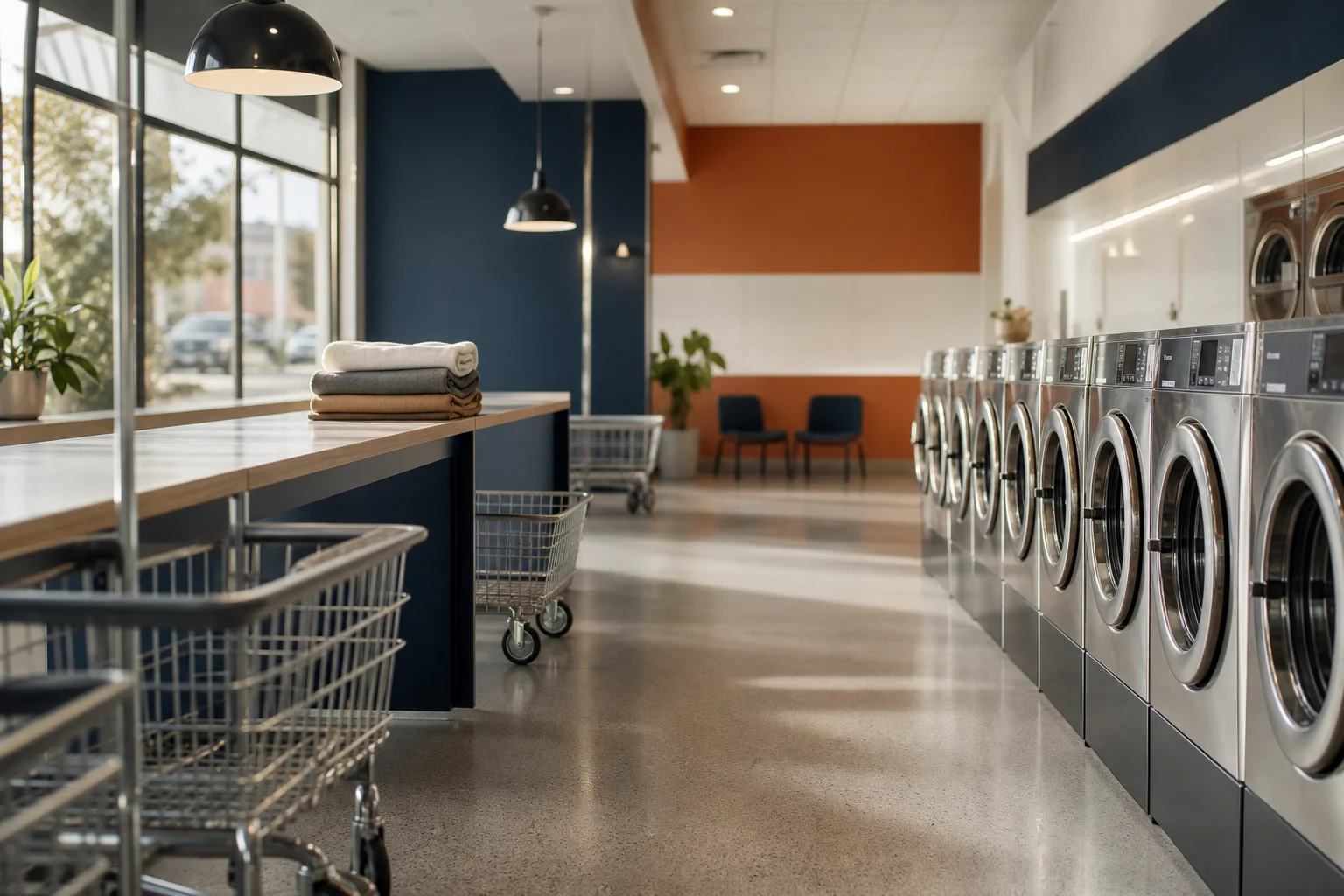
What equipment do you need to open a laundromat in Atlanta?
The core equipment for any laundromat includes washers, dryers, and ancillary systems. In Atlanta, you'll need to consider both front-load and top-load machines, depending on your target customer base. Front-load washers are generally more efficient and popular in urban areas, while top-load machines may appeal to customers who prefer traditional washing methods. Dryers should be high-capacity and energy-efficient to handle the volume in a busy laundromat. Beyond the basics, you'll need payment systems, laundry carts, folding tables, and possibly vending machines for detergents and other supplies. The specific mix of equipment will depend on your location's demographics and the size of your facility.
Buildout cost categories
Plumbing and electrical
Plumbing and electrical work represents a significant portion of your buildout costs. Laundromats require specialized plumbing for hot and cold water distribution, drainage systems, and possibly steam lines. Electrical systems must handle the high power demands of multiple washers and dryers, often requiring three-phase power in larger facilities. In Atlanta neighborhoods like Atlantic Station (overall score 5.6/10, rent band $24-$55/sqft/yr NNN), the cost of upgrading electrical service can vary based on the building's existing infrastructure. You'll need to work with licensed professionals who understand commercial laundry systems and local building codes.
HVAC and ventilation
Proper heating, ventilation, and air conditioning (HVAC) systems are essential for customer comfort and equipment longevity. Laundromats generate significant heat and moisture, requiring robust ventilation to prevent mold and maintain air quality. The HVAC system must be sized appropriately for your space and the number of machines. In Downtown Atlanta (overall score 5.5/10, rent band $24-$55/sqft/yr NNN), where space may be at a premium, efficient HVAC design becomes even more critical. Consider energy-efficient systems that can handle the specific demands of a laundry facility while keeping operating costs manageable.
Flooring and finishes
Flooring in a laundromat must be durable, slip-resistant, and easy to clean. Commercial-grade vinyl or epoxy flooring is common, but the specific choice depends on your budget and aesthetic preferences. Finishes should be able to withstand constant foot traffic, water exposure, and chemical cleaning agents. In Smyrna/Vinings (overall score 5.4/10, rent band $24-$55/sqft/yr NNN), where customer demographics may include families and professionals, the appearance of your facility matters. Choose finishes that balance durability with an inviting atmosphere that encourages customers to stay and potentially use additional services.
Permits-driven items
Building permits and inspections will dictate certain aspects of your equipment installation. In Atlanta, you'll need to comply with local building codes, plumbing codes, and electrical codes. Some municipalities may have specific requirements for laundromat equipment, particularly regarding water usage and energy efficiency. Always verify permit requirements with the local building department before starting construction. Chamblee/Doraville (overall score 5.3/10, rent band $24-$55/sqft/yr NNN) may have different requirements than Emory/Druid Hills (overall score 5.2/10, rent band $24-$55/sqft/yr NNN), so location-specific research is essential.
Furniture and signage
Customer-facing elements like seating, folding tables, and signage contribute to the overall customer experience. Comfortable seating encourages customers to stay longer, potentially increasing the likelihood of them using additional services. Clear, visible signage helps customers navigate your facility and understand how to use equipment. In competitive Atlanta neighborhoods, thoughtful design can differentiate your laundromat from competitors like La Favorita Lavanderia in Chamblee/Doraville. Consider how furniture placement and signage will work with your equipment layout to create an efficient flow.
Equipment line items to validate in Atlanta
When planning your equipment purchases, focus on validating these key line items for the Atlanta market:
- Washer-dryer ratio: Atlanta's customer base may prefer certain ratios depending on neighborhood demographics
- Machine capacity: Urban areas may favor smaller capacity machines for frequent use
- Payment systems: Consider cashless options popular in Atlanta's tech-savvy neighborhoods
- Water heating systems: Evaluate energy-efficient options suitable for Atlanta's climate
- Detergent vending: Assess demand in your specific neighborhood
How established operators in Atlanta configure their kitchens
Local operators like La Favorita Lavanderia in Chamblee/Doraville provide valuable insights into successful configurations. While specific equipment details aren't publicly available, customer reviews suggest attention to customer experience and service quality. The 4.4-star rating (5 reviews) indicates satisfied customers, possibly due to well-maintained equipment and attentive staff. When visiting competitors, observe machine placement, payment systems, and customer flow. Note how they handle peak hours and what amenities they offer. This research will help you make informed decisions about your own equipment layout and selection.
Used vs. new vs. lease
Choosing between used, new, or leased equipment involves trade-offs in cost, reliability, and flexibility. Used equipment offers immediate cost savings but may come with higher maintenance costs and shorter lifespans. New equipment provides reliability and energy efficiency but at a higher upfront cost. Leasing offers flexibility and predictable monthly payments but may result in higher long-term costs. In Atlanta's competitive market, the right choice depends on your budget, risk tolerance, and long-term business strategy. Consider how each option aligns with your financial projections and the specific demands of your chosen neighborhood.
Buildout timeline
The buildout timeline for a laundromat in Atlanta typically follows several phases: permitting, construction, equipment installation, and final inspections. Permitting can take several weeks, depending on the municipality and the complexity of your project. Construction and equipment installation usually take a variable local timeline, but this can vary based on the size of your facility and the availability of contractors. Factor in time for equipment delivery and installation, which may have longer lead times for certain models. Working with experienced local contractors who understand Atlanta's permitting process can help keep your timeline on track.
Common buildout overruns
Several factors commonly lead to budget overruns in laundromat buildouts:
- Unexpected structural issues discovered during construction
- Delays in equipment delivery
- Changes in design or scope during the project
- Higher-than-expected utility connection fees
- Unforeseen permitting requirements
In Atlanta's competitive real estate market, securing a location with existing infrastructure suitable for a laundromat can help mitigate some of these risks. However, always include a contingency budget of 10-15% to handle unexpected costs. Regular communication with your contractor and careful project management can help identify potential issues early and keep your project on schedule and budget.
| Neighborhood | Locavisor score | Rent band | Local operator signal | Founder validation check |
|---|---|---|---|---|
| Atlantic Station | 5.6/10 | $24-$55/sqft/yr NNN | No direct operator listed | Check utility capacity, ventilation, plumbing, storage, and fixture layout. |
| Downtown | 5.5/10 | $24-$55/sqft/yr NNN | No direct operator listed | Check utility capacity, ventilation, plumbing, storage, and fixture layout. |
| Smyrna / Vinings | 5.4/10 | $24-$55/sqft/yr NNN | No direct operator listed | Check utility capacity, ventilation, plumbing, storage, and fixture layout. |
| Chamblee / Doraville | 5.3/10 | $24-$55/sqft/yr NNN | La Favorita Lavanderia | Check utility capacity, ventilation, plumbing, storage, and fixture layout. |
| Emory / Druid Hills | 5.2/10 | $24-$55/sqft/yr NNN | No direct operator listed | Check utility capacity, ventilation, plumbing, storage, and fixture layout. |
FAQ
What equipment do I need to open a laundromat in Atlanta?
To open a laundromat in Atlanta, you'll need washers, dryers, payment systems, laundry carts, folding tables, and possibly vending machines for detergents and supplies. The specific mix depends on your location's demographics and space constraints. Front-load machines are generally preferred in urban Atlanta neighborhoods, while top-load machines may appeal to traditional customers. Consider energy-efficient models to reduce long-term operating costs.
How do Atlanta neighborhood demographics affect equipment choices?
Atlanta's diverse neighborhoods have different customer preferences and space constraints that influence equipment decisions. Urban areas like Atlantic Station and Downtown may favor compact, high-efficiency machines suitable for frequent use by professionals and students. Family-oriented neighborhoods like Emory/Druid Hills may benefit from larger capacity machines. Research local customer needs and competitor offerings to make informed equipment selections.
What permits are required for a laundromat in Atlanta?
Laundromats in Atlanta require building permits, plumbing permits, and electrical permits. You'll need to comply with local building codes, plumbing codes, and electrical codes. Some municipalities may have specific requirements for water usage and energy efficiency. Always verify permit requirements with the local building department before starting construction, as requirements can vary between neighborhoods like Chamblee/Doraville and Smyrna/Vinings.
How can I validate equipment needs for my Atlanta location?
Visit local laundromats like La Favorita Lavanderia in Chamblee/Doraville to observe customer behavior and equipment usage. Note machine popularity, peak hours, and customer complaints. Research neighborhood demographics to understand laundry habits. Consider conducting a small survey of potential customers in your target area. This ground-level research will help you choose the right equipment mix and capacity for your specific location.
Last reviewed: 2026-05-30
Sources: U.S. Census Bureau ACS, LEHD LODES, Google Places, OpenStreetMap, Locavisor neighborhood scoring.
Methodology: Locavisor scores neighborhoods across demand, competition fit, rent fit, accessibility, and customer match. Scores reflect a snapshot of recent data and should be combined with on-the-ground research before lease decisions.
Disclaimer: This article provides informational content only and does not constitute legal, financial, accounting, or real-estate advice. Verify lease terms, licensing, local regulations, costs, and professional requirements with qualified local professionals before making business decisions.
Free preview shows top 3 neighborhoods. Full $9.99 report covers all 10 areas with personalized scoring + 90-day check-ins.
Informational only. Verify lease, licensing, local regulations, costs, and professional requirements with qualified local professionals.