Austin, TX · laundromat
Laundromat equipment costs Austin
Opening a laundromat in Austin requires careful planning around equipment and buildout costs. The equipment you choose directly impacts your operational efficiency, customer experience, and long-term profitability. Austin's competitive market demands thoughtful decisions about which machines to purchase, how to configure your space, and how to balance upfront investment with ongoing maintenance costs. This guide breaks down the essential equipment considerations and buildout factors specific to Austin's neighborhoods and market conditions.
What equipment do you need to open a laundromat in Austin?
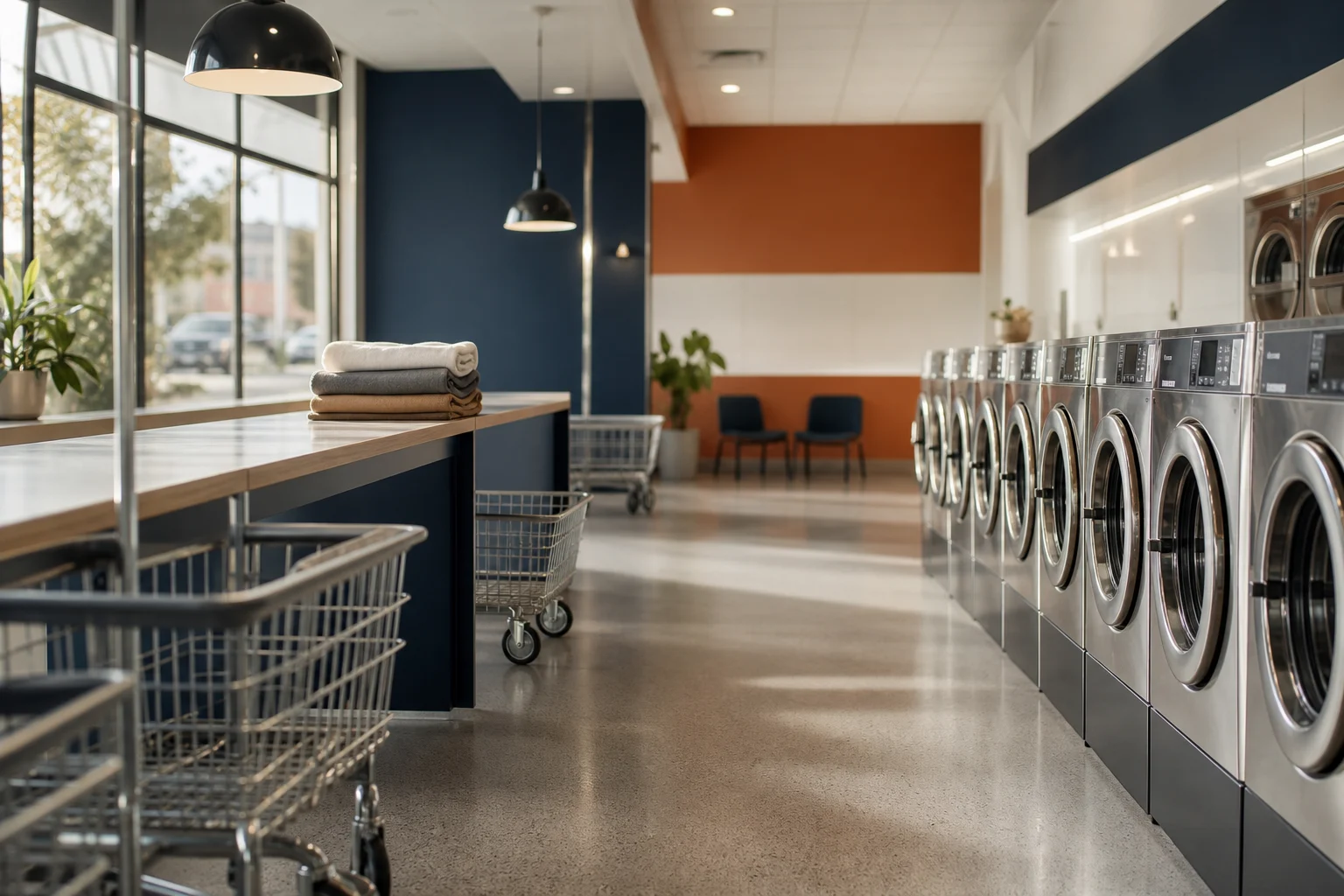
The core equipment for any laundromat includes washers, dryers, and ancillary systems. In Austin, you'll need to consider both front-load and top-load machines, depending on your target customer base. Front-load washers are generally more energy-efficient and can handle larger loads, while top-load machines may appeal to customers who prefer traditional washing methods. Dryers should be high-capacity and energy-efficient to minimize operating costs. Beyond the basics, you'll need payment systems, laundry carts, folding tables, and possibly vending machines for detergents and other supplies. The specific mix depends on your location and customer demographics.
Austin's neighborhoods present different opportunities and constraints. For example, areas like Hyde Park (score 6.3/10, rent band $31-$60/sqft/yr NNN) with its proximity to schools and transit might benefit from a mix of quick-wash options and larger capacity machines for families. Meanwhile, the UT Campus/West Campus area (score 5.8/10, rent band $31-$60/sqft/yr NNN) might prioritize faster cycle times to accommodate student schedules. Understanding your neighborhood's specific needs helps tailor your equipment selection to maximize customer satisfaction and operational efficiency.
Buildout cost categories
Plumbing and electrical
Plumbing and electrical work represents a significant portion of your laundromat buildout costs. Austin's building codes require specific installations for commercial laundry operations. You'll need to install water lines capable of handling multiple machines running simultaneously, with proper drainage systems that can manage the volume. Electrical systems must support the high-power demands of commercial washers and dryers, often requiring three-phase power in larger installations. The rent bands in Austin neighborhoods like Domain/North Austin (score 5.8/10, rent band $31-$60/sqft/yr NNN) reflect the commercial viability of these areas, but also mean higher expectations for professional installations that meet code requirements.
HVAC and ventilation
Proper ventilation is critical for laundromat operations. The heat and humidity generated by washers and dryers can create uncomfortable conditions and potentially damage equipment or building structures. Austin's climate, with its hot summers, makes effective HVAC and ventilation systems non-negotiable. You'll need exhaust systems for dryers and possibly air conditioning to maintain comfortable temperatures for customers and staff. The North Loop area (score 5.7/10, rent band $31-$60/sqft/yr NNN) with its mix of commercial and residential spaces requires particular attention to ventilation to prevent moisture buildup that could affect adjacent properties.
Flooring and finishes
Flooring in a laundromat must withstand constant moisture, foot traffic, and potential chemical exposure. Commercial-grade, slip-resistant flooring is essential for safety and durability. Finishes should be easy to clean and maintain, as laundromats generate significant dirt and detergent residue. The Cherrywood neighborhood (score 5.6/10, rent band $31-$60/sqft/yr NNN) with its mix of office and residential spaces demands finishes that balance durability with aesthetic appeal to attract a diverse customer base.
Permits-driven items
Austin's permitting process for commercial laundromats involves several key items. You'll need plumbing permits for water and drainage systems, electrical permits for your power setup, and potentially HVAC permits depending on the scope of your installation. Each permit requires inspections at various stages of construction. The permitting process can add time and cost to your buildout, so understanding local requirements and working with experienced contractors who are familiar with Austin's specific codes is crucial.
Furniture and signage
Customer experience extends beyond the machines themselves. Comfortable seating, clean restrooms, and clear signage all contribute to a positive laundromat experience. In Austin's competitive market, thoughtful design elements can differentiate your business. Signage should be visible from the street and clearly communicate your services, hours, and any special features. The furniture and fixtures you choose should balance durability with comfort, creating an inviting space that encourages customers to stay and potentially use additional services.
Equipment line items to validate in Austin
When selecting equipment for your Austin laundromat, several line items require careful validation. First, consider the mix of washer and dryer capacities that best serves your target neighborhood. Areas with families might benefit from larger capacity machines, while student-heavy neighborhoods could prioritize faster, smaller loads. Second, evaluate payment systems that accommodate various customer preferences, from card payments to mobile apps. Third, assess utility consumption ratings, as Austin's energy costs can significantly impact your operating expenses over time.
Local market research shows that Austin customers value efficiency and reliability. The presence of businesses like Museum of Illusions Austin in the Domain/North Austin area suggests a customer base that appreciates modern, efficient services. Your equipment choices should reflect this expectation for quality and speed. Additionally, consider the maintenance requirements of different equipment brands and models, as downtime can quickly erode customer satisfaction in a competitive market.
How established operators in Austin configure their kitchens
While the grounding data doesn't provide specific laundromat configurations, we can infer best practices from Austin's commercial landscape. Established operators in areas like Hyde Park likely configure their spaces to accommodate both quick laundry needs and larger loads. The presence of Austin Community College: Highland Campus in Hyde Park suggests a customer base that values efficiency, so machines with faster cycle times and clear progress indicators would be beneficial.
In the UT Campus/West Campus area, operators might prioritize machines that handle student-sized loads efficiently, with payment systems that accommodate various payment methods including student IDs or mobile payments. The proximity to Austin Market and Mercantile indicates a customer base that appreciates convenience, so strategically placed vending machines for detergents and other supplies would enhance the customer experience.
The Domain/North Austin area, with its mix of office spaces and retail like The Domain and Domain NORTHSIDE, suggests a customer base that values both efficiency and aesthetic appeal. Laundromats in this area might invest in more modern, attractive equipment designs and create a comfortable waiting area that reflects the neighborhood's commercial sophistication.
Used vs. new vs. lease
When acquiring equipment for your Austin laundromat, you'll face decisions about purchasing new, buying used, or leasing. Each option has trade-offs that depend on your budget, risk tolerance, and long-term plans. New equipment typically comes with warranties and the latest efficiency features but requires a larger upfront investment. Used equipment can reduce initial costs but may come with higher maintenance expenses and shorter useful lives.
Leasing offers flexibility and potentially lower upfront costs but results in higher long-term expenses and less control over equipment choices. Austin's commercial real estate market, with rent bands consistently in the $31-$60/sqft/yr NNN range across top neighborhoods, suggests that operators need to carefully balance equipment investments with ongoing operational costs. The decision often comes down to cash flow considerations and how long you plan to operate in your chosen location.
Buildout timeline
The timeline for building out a laundromat in Austin depends on several factors, including permitting processes, contractor availability, and the complexity of your design. Permitting in Austin can take several weeks to months, depending on the scope of your project and the specific requirements of your neighborhood. Once permits are secured, the actual construction and equipment installation typically takes a variable local timeline for a standard laundromat setup.
Neighborhood factors can impact your timeline. Areas with more commercial activity, like Hyde Park with its Central Park Shopping Center and Hancock Center, may have more established contractor networks but also potentially more competition for skilled labor. The UT Campus/West Campus area, with its concentration of student housing, might offer faster permitting for businesses serving the student population but could have specific requirements related to noise or operating hours.
Common buildout overruns
Several factors commonly lead to budget overruns in laundromat buildouts. Unforeseen structural issues discovered during demolition can add significant costs. Changes in equipment selection after initial planning can create ripple effects throughout the buildout. Austin's variable soil conditions and potential need for specialized foundation work in certain areas can also impact costs.
Permitting delays are another common issue, as Austin's building departments may have backlogs or require additional documentation. Weather can also impact outdoor work timelines, though this is less relevant for indoor laundromat projects. The most successful operators build in contingency budgets and maintain flexibility in their schedules to accommodate these potential delays.
| Neighborhood | Locavisor score | Rent band | Local operator signal | Founder validation check |
|---|---|---|---|---|
| Hyde Park | 6.3/10 | $31-$60/sqft/yr NNN | No direct operator listed | Check utility capacity, ventilation, plumbing, storage, and fixture layout. |
| UT Campus / West Campus | 5.8/10 | $31-$60/sqft/yr NNN | No direct operator listed | Check utility capacity, ventilation, plumbing, storage, and fixture layout. |
| Domain / North Austin | 5.8/10 | $31-$60/sqft/yr NNN | No direct operator listed | Check utility capacity, ventilation, plumbing, storage, and fixture layout. |
| North Loop | 5.7/10 | $31-$60/sqft/yr NNN | No direct operator listed | Check utility capacity, ventilation, plumbing, storage, and fixture layout. |
| Cherrywood | 5.6/10 | $31-$60/sqft/yr NNN | No direct operator listed | Check utility capacity, ventilation, plumbing, storage, and fixture layout. |
FAQ
What are the most important considerations when choosing a location for a laundromat in Austin?
When selecting a location in Austin, prioritize neighborhoods with high foot traffic and appropriate demographics. Areas like Hyde Park (score 6.3/10, rent band $31-$60/sqft/yr NNN) with its mix of residential, educational, and commercial spaces offer strong potential. Consider proximity to public transit, as locations near stations like Hyde Park Station can attract customers without vehicles. Also evaluate competition density and the presence of complementary businesses that can drive traffic to your laundromat.
How do Austin's building codes affect laundromat equipment installation?
Austin's building codes require specific installations for commercial laundry equipment, particularly around plumbing, electrical, and ventilation. Washers and dryers must be installed with proper drainage and ventilation systems that meet city standards. Electrical systems often need to be upgraded to handle the power demands of commercial machines. Always work with contractors familiar with Austin's specific requirements to ensure compliance and avoid costly modifications after inspection.
What's the typical equipment configuration for a laundromat serving students in Austin?
For student-heavy areas like UT Campus/West Campus (score 5.8/10, rent band $31-$60/sqft/yr NNN), a configuration with a higher proportion of smaller capacity machines works well. Students typically do smaller loads and value faster cycle times. Including machines with card payment options and possibly mobile app integration can attract this demographic. Consider adding amenities like Wi-Fi and comfortable seating to create a space where students can study while waiting for their laundry.
How does Austin's climate impact laundromat equipment choices?
Austin's hot, humid climate affects both equipment selection and operational strategies. Energy-efficient machines help manage cooling costs, while proper ventilation systems are crucial for customer comfort and equipment longevity. Consider machines with advanced moisture sensors that prevent over-drying and save energy. The climate also means customers may appreciate amenities like air conditioning and comfortable waiting areas more than in milder climates.
What permits do I need to open a laundromat in Austin?
Austin requires several permits for laundromat operations, including plumbing permits for water and drainage systems, electrical permits for power installations, and potentially HVAC permits. You'll also need a business license from the city and may need specific permits from Travis County. The exact requirements depend on your location and the scope of your project, so consult with the Austin Development Services Department early in your planning process.
How can I differentiate my laundromat in Austin's competitive market?
To stand out in Austin's market, focus on customer experience and operational efficiency. Modern, well-maintained equipment with clear instructions and progress indicators enhances the customer experience. Consider adding value-added services like drop-off laundry, vending machines for detergents and snacks, or a clean, comfortable waiting area. Neighborhood-specific amenities, like bike storage in bike-friendly areas or study spaces near universities, can also attract and retain customers.
Last reviewed: 2026-05-30
Sources: U.S. Census Bureau ACS, LEHD LODES, Google Places, OpenStreetMap, Locavisor neighborhood scoring.
Methodology: Locavisor scores neighborhoods across demand, competition fit, rent fit, accessibility, and customer match. Scores reflect a snapshot of recent data and should be combined with on-the-ground research before lease decisions.
Disclaimer: This article provides informational content only and does not constitute legal, financial, accounting, or real-estate advice. Verify lease terms, licensing, local regulations, costs, and professional requirements with qualified local professionals before making business decisions.
Free preview shows top 3 neighborhoods. Full $9.99 report covers all 10 areas with personalized scoring + 90-day check-ins.
Informational only. Verify lease, licensing, local regulations, costs, and professional requirements with qualified local professionals.