Chicago, IL · laundromat
Laundromat equipment costs Chicago
Opening a laundromat in Chicago requires careful planning around equipment and buildout costs. The city's competitive market demands strategic investment in the right machinery and facility improvements to attract customers and operate efficiently. Chicago's diverse neighborhoods present different opportunities and challenges for laundromat operators, with varying rent structures and customer demographics that influence equipment decisions.
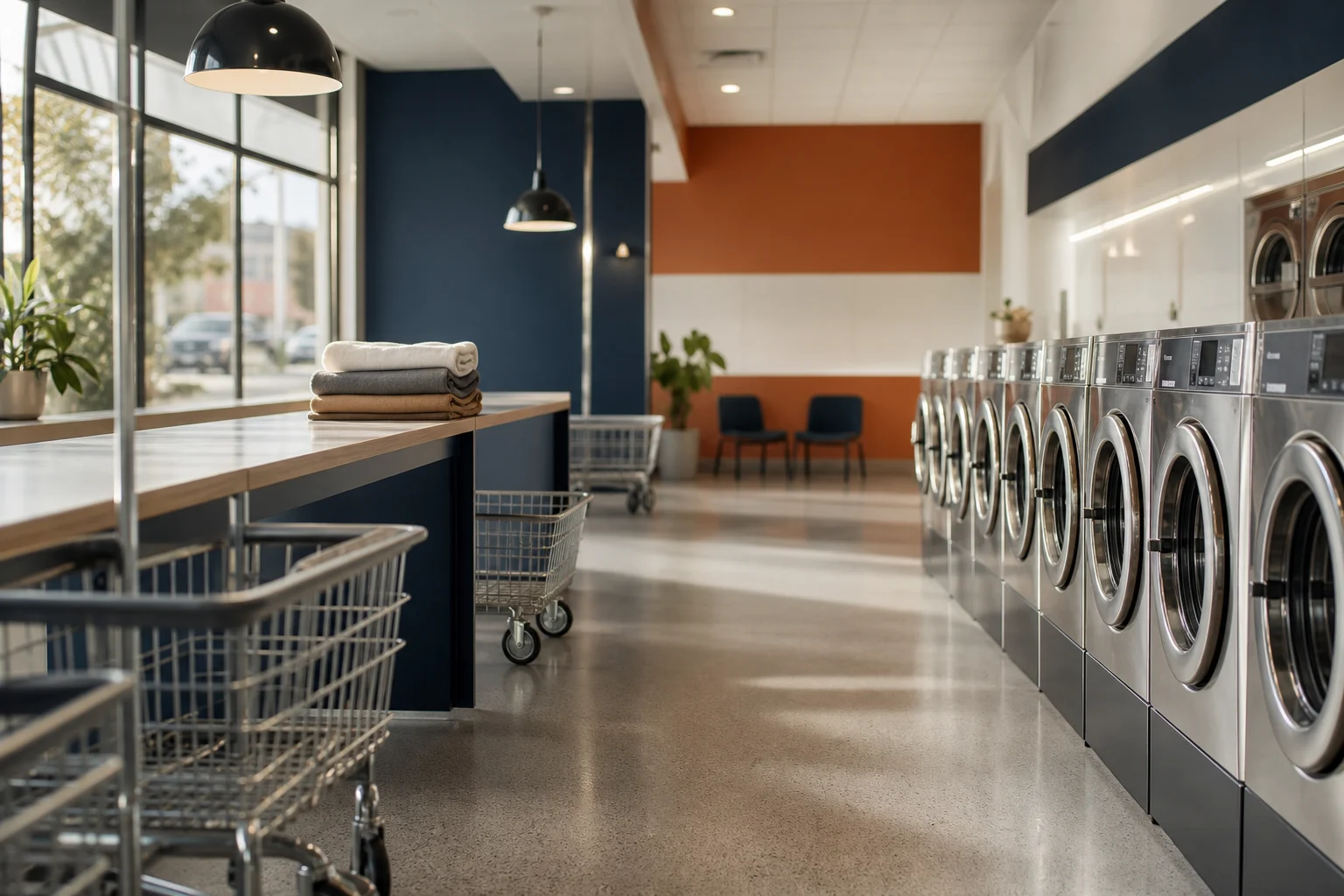
What equipment do you need to open a laundromat in Chicago?
The core equipment for a laundromat includes washers, dryers, and ancillary machines that support operations. In Chicago, operators must consider the specific needs of local communities and the competitive landscape. The question "What equipment do I need to open a laundromat in Chicago?" depends on several factors including location, target customer base, and operational scale.
Chicago's top neighborhoods for laundromats, according to Locavisor research, include Chinatown (score 6.3/10, rent band $22-$80/sqft/yr NNN), Hyde Park (score 6.3/10, rent band $22-$80/sqft/yr NNN), and Rogers Park (score 6.0/10, rent band $22-$80/sqft/yr NNN). Each area presents different customer expectations and space constraints that influence equipment selection.
Established operators in these neighborhoods have configured their facilities to meet local demands. For example, Super Cycle Laundromat in Rogers Park and Jarvis Coin Laundry nearby have built their businesses around standard commercial washers and dryers, while Wash U Coin Laundry in Edgewater and Spincycle Laundromat in Devon Ave/West Ridge have incorporated additional amenities to differentiate their offerings.
Buildout cost categories
Plumbing and electrical
Plumbing and electrical work represents a significant portion of laundromat buildout costs. Chicago's building codes require specific installations for commercial laundry equipment, including proper drainage systems and electrical circuits capable of handling high-power machines.
In neighborhoods like Chinatown and Hyde Park, where rent bands range from $22-$80/sqft/yr NNN, the cost of upgrading plumbing and electrical infrastructure can vary based on the age and condition of existing buildings. Older structures may require more extensive modifications to meet code requirements and support modern equipment.
HVAC and ventilation
Proper heating, ventilation, and air conditioning (HVAC) systems are essential for maintaining a comfortable environment in laundromats, especially during Chicago's extreme weather conditions. The city's cold winters and hot summers demand reliable climate control systems that can handle the additional heat generated by laundry equipment.
Ventilation is particularly important for removing moisture and lint from the air, which helps maintain air quality and prevents mold growth. In neighborhoods like Rogers Park and Edgewater, where rent bands remain consistent at $22-$80/sqft/yr NNN, investing in adequate HVAC and ventilation can improve customer experience and equipment longevity.
Flooring and finishes
Flooring choices impact both safety and aesthetics in laundromats. Non-slip, water-resistant flooring is essential in areas with frequent water exposure, while finishes should be durable enough to withstand heavy foot traffic and cleaning chemicals.
In Chicago's diverse neighborhoods, operators must balance functionality with local aesthetic preferences. For instance, laundromats in Chinatown might incorporate design elements that resonate with the community, while those in Hyde Park may focus on creating a welcoming environment for University of Chicago students and faculty.
Permits-driven items
Chicago requires various permits for commercial laundromat operations, including plumbing permits, electrical permits, and business licenses. These permits often dictate specific installation requirements that can impact buildout costs.
Operators should consult with the City of Chicago's Department of Buildings and Department of Business Affairs and Consumer Protection to understand all necessary permits and associated requirements. Failure to obtain proper permits can result in costly delays and fines.
Furniture and signage
Furniture and signage contribute to the overall customer experience and brand identity. Comfortable seating, durable tables, and clear, visible signage help create an inviting atmosphere that encourages customers to stay and potentially use additional services.
In competitive neighborhoods like Devon Ave/West Ridge, where Spincycle Laundromat and other operators have established presences, distinctive signage and comfortable waiting areas can help new businesses stand out and attract customers.
Equipment line items to validate in Chicago
When planning equipment purchases for a Chicago laundromat, operators should validate several key line items:
Washer capacity and efficiency - Chicago customers, particularly in student-heavy areas like Hyde Park and Rogers Park, often prefer larger-capacity machines for bedding and bulk laundry.
Dryer performance - Efficient dryers that minimize cycle times can be a competitive advantage, especially in neighborhoods where customers value time savings.
Payment systems - Modern, reliable payment systems that accept various payment methods are essential in a city as diverse as Chicago.
Water heating systems - High-capacity water heaters capable of handling peak demand periods are necessary, particularly in neighborhoods with high population density.
Maintenance access - Equipment designed for easy maintenance can reduce long-term operational costs, a critical consideration given Chicago's climate and potential for extreme weather-related issues.
How established operators in Chicago configure their kitchens
Established laundromat operators in Chicago have developed configurations that work for their specific neighborhoods. For example:
Super Cycle Laundromat in Rogers Park focuses on practical, no-frills equipment that serves the local community's basic laundry needs.
Jarvis Coin Laundry nearby has incorporated larger machines to accommodate families and individuals with bulk laundry requirements.
Wash U Coin Laundry in Edgewater has created a more amenity-rich environment, potentially targeting students and young professionals in the area.
Spincycle Laundromat in Devon Ave/West Ridge has built a reputation for reliability and customer service, suggesting a well-maintained equipment lineup.
LAUNDROMAT in Devon Ave/West Ridge, despite mixed reviews, indicates that even with basic equipment, location and service can drive business in these neighborhoods.
These configurations reflect an understanding of local customer preferences and the competitive landscape in each neighborhood.
Used vs. new vs. lease
Chicago laundromat operators face decisions about whether to purchase new equipment, buy used machinery, or lease their laundry equipment. Each option has implications for upfront costs, maintenance responsibilities, and long-term flexibility.
New equipment typically comes with warranties and the latest efficiency features but represents a higher initial investment. Used equipment can reduce upfront costs but may require more frequent maintenance and lack energy-efficient features. Leasing offers lower initial costs and equipment upgrades but results in ongoing payments without ownership benefits.
The choice depends on factors including available capital, risk tolerance, and long-term business strategy. In Chicago's variable rent environments, where rent bands range from $22-$80/sqft/yr NNN across top neighborhoods, operators must balance equipment costs against location-specific revenue potential.
Buildout timeline
The timeline for laundromat buildout in Chicago depends on several factors including permit processing times, contractor availability, and the extent of renovations required. Chicago's building departments have specific procedures that can impact project timelines.
Operators should account for potential delays in permit approval and inspections. The City of Chicago's Department of Buildings handles construction permits, while the Department of Business Affairs and Consumer Protection manages business licensing.
Seasonal factors can also influence buildout timelines, with construction activity potentially slower during Chicago's harsh winters. Planning for potential weather-related delays is essential for maintaining project schedules.
Common buildout overruns
Several factors commonly lead to buildout cost overruns in Chicago laundromat projects:
Unexpected structural issues - Older buildings in neighborhoods like Chinatown and Hyde Park may have hidden structural problems that require additional work.
Permit delays - Chicago's regulatory environment can sometimes cause unexpected delays in permit approvals, extending project timelines and increasing costs.
Supply chain disruptions - Like many markets, Chicago has experienced supply chain challenges that can impact equipment and material availability.
Code compliance upgrades - Discovering that existing electrical or plumbing systems don't meet current codes can require costly upgrades.
Weather-related delays - Chicago's extreme weather conditions, particularly during winter months, can disrupt construction schedules.
Operators should build contingency funds into their budgets and maintain flexible timelines to accommodate these potential issues.
| Neighborhood | Locavisor score | Rent band | Local operator signal | Founder validation check |
|---|---|---|---|---|
| Chinatown | 6.3/10 | $22-$80/sqft/yr NNN | No direct operator listed | Check utility capacity, ventilation, plumbing, storage, and fixture layout. |
| Hyde Park | 6.3/10 | $22-$80/sqft/yr NNN | No direct operator listed | Check utility capacity, ventilation, plumbing, storage, and fixture layout. |
| Rogers Park | 6.0/10 | $22-$80/sqft/yr NNN | Super Cycle Laundromat, Jarvis Coin Laundry | Check utility capacity, ventilation, plumbing, storage, and fixture layout. |
| Edgewater | 5.9/10 | $22-$80/sqft/yr NNN | Wash U Coin Laundry | Check utility capacity, ventilation, plumbing, storage, and fixture layout. |
| Devon Ave / West Ridge | 5.9/10 | $22-$80/sqft/yr NNN | Spincycle Laundromat, Coin Laundry | Check utility capacity, ventilation, plumbing, storage, and fixture layout. |
FAQ
What are the key considerations for equipment selection in Chicago neighborhoods?
When selecting equipment for a Chicago laundromat, consider neighborhood demographics, competition, and local customer preferences. In student-heavy areas like Hyde Park and Rogers Park, larger-capacity machines may be more attractive. In diverse neighborhoods like Chinatown and Devon Ave/West Ridge, consider equipment that accommodates various laundry needs. Research local competitors like Super Cycle Laundromat and Spincycle Laundromat to understand what configurations have proven successful.
How do Chicago's rent bands impact equipment decisions?
Chicago's rent bands, which range from $22-$80/sqft/yr NNN across top laundromat neighborhoods, directly influence equipment investment decisions. Higher rent areas may require more efficient, higher-capacity equipment to generate sufficient revenue per square foot. Lower rent locations might support a different equipment mix focused on volume rather than premium features. The rent structure affects how quickly equipment investments can be recouped and influences overall business viability.
What permits are required for a laundromat in Chicago?
Chicago requires several permits for laundromat operations, including plumbing permits from the Department of Buildings, electrical permits, and business licenses from the Department of Business Affairs and Consumer Protection. Operators must also comply with health and safety regulations. It's essential to consult with these agencies early in the planning process to understand all requirements and associated costs.
Last reviewed: 2026-05-30
Sources: U.S. Census Bureau ACS, LEHD LODES, Google Places, OpenStreetMap, Locavisor neighborhood scoring.
Methodology: Locavisor scores neighborhoods across demand, competition fit, rent fit, accessibility, and customer match. Scores reflect a snapshot of recent data and should be combined with on-the-ground research before lease decisions.
Disclaimer: This article provides informational content only and does not constitute legal, financial, accounting, or real-estate advice. Verify lease terms, licensing, local regulations, costs, and professional requirements with qualified local professionals before making business decisions.
Free preview shows top 3 neighborhoods. Full $9.99 report covers all 10 areas with personalized scoring + 90-day check-ins.
Informational only. Verify lease, licensing, local regulations, costs, and professional requirements with qualified local professionals.