Fort Worth, TX · laundromat
Laundromat equipment costs Fort Worth
Planning a laundromat in Fort Worth requires careful consideration of equipment costs and buildout requirements. The city offers several promising neighborhoods, each with unique characteristics that impact your equipment decisions and overall budget. Understanding these factors is crucial for making informed decisions about your laundromat investment.
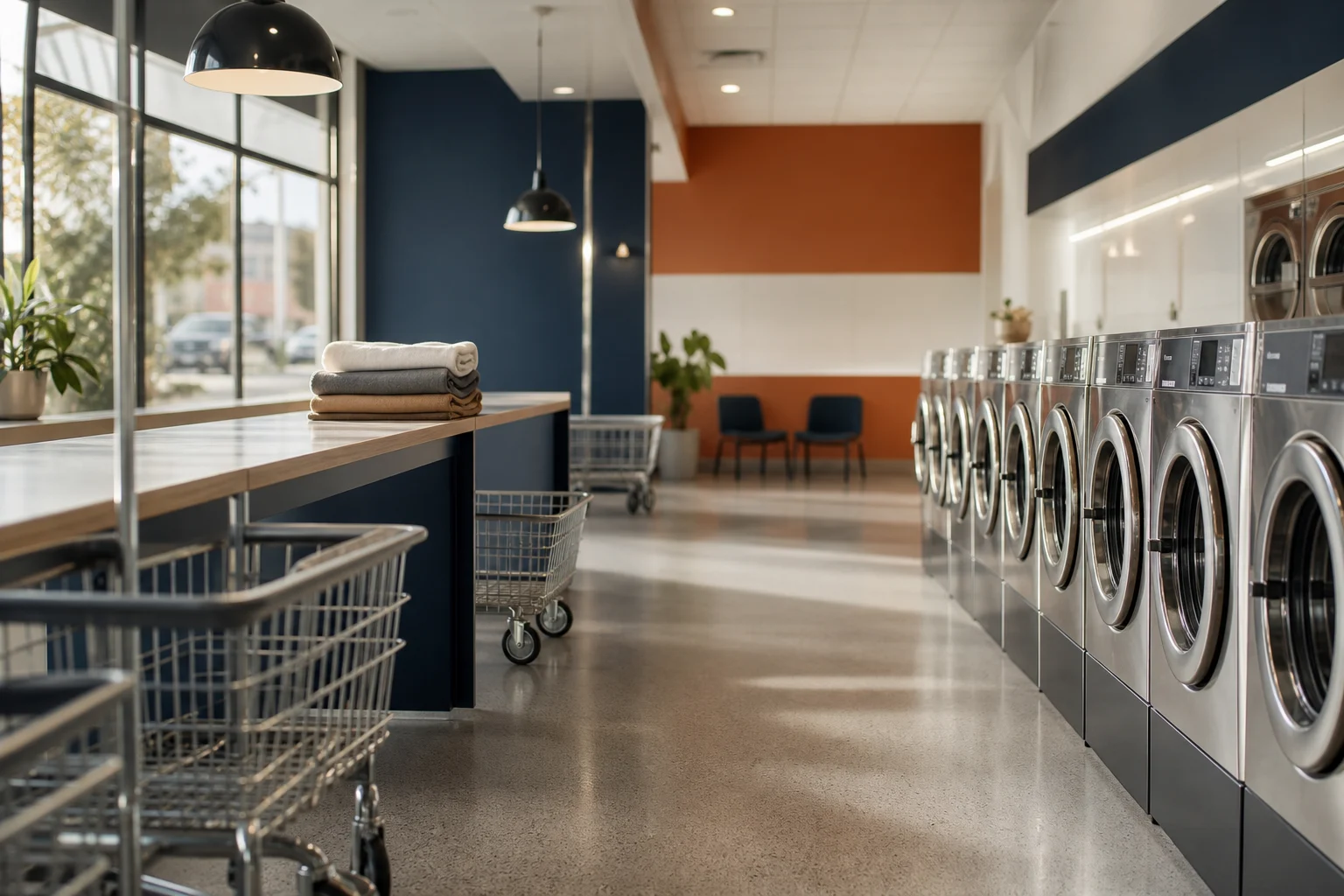
Equipment categories by launch format
When planning your Fort Worth laundromat, equipment selection directly impacts your startup costs and operational efficiency. The three primary formats—coin-operated, card-operated, and hybrid—each require different equipment configurations and budget considerations. Your choice should align with the specific neighborhood characteristics and target customer base in Fort Worth.
Coin-operated laundromats represent the traditional approach, requiring robust payment mechanisms and coin handling systems. These setups typically include coin validators, bill changers, and secure coin boxes. In Fort Worth's Berry Street/TCU area, where student density is high, coin-operated machines may serve a population accustomed to cash transactions. However, the lack of direct competitors suggests an opportunity to modernize with card payment systems.
Card-operated laundromats eliminate the need for coin handling and offer greater convenience for customers. These systems require payment terminals, card readers, and software management platforms. In areas like Sundance Square with a daytime worker population, card-operated systems might align better with professionals who prefer cashless transactions. The moderate rent levels in this area could accommodate the higher initial investment in advanced payment technology.
Hybrid systems combine both coin and card payment options, providing maximum flexibility for customers. This approach requires dual payment mechanisms but can serve diverse customer segments effectively. Fort Worth's mixed market temperature suggests that a hybrid approach might be the most adaptable solution, particularly in areas like TCU Campus/University Place where both students and local residents might frequent your establishment.
Buildout assumptions that change the budget
The physical buildout of your Fort Worth laundromat significantly impacts your equipment budget and overall startup costs. Different neighborhoods present varying buildout requirements based on existing infrastructure, zoning regulations, and property conditions. Understanding these factors helps you allocate resources appropriately and avoid unexpected expenses.
In new construction spaces, you'll need to install all essential systems from the ground up. This includes plumbing for multiple washing machines and dryers, electrical systems capable of handling high-power equipment, ventilation systems to manage humidity and heat, and flooring designed to withstand constant moisture and foot traffic. The Berry Street/TCU area's rent levels of $45-70/sqft NNN suggest that new construction spaces might require substantial investment in these foundational systems.
Second-generation spaces—previously used as laundromats or similar retail operations—often come with existing infrastructure that can reduce buildout costs. However, these spaces may require significant equipment upgrades or replacements to meet modern standards. When evaluating a potential location in Sundance Square, where rent is more moderate at $30-50/sqft NNN, carefully assess the condition of existing plumbing, electrical systems, and ventilation to determine necessary upgrades.
Buildout requirements also vary based on neighborhood characteristics and customer expectations. In student-heavy areas like TCU Campus/University Place, you might prioritize amenities such as folding tables, seating areas, and Wi connectivity. These additions impact your budget but can enhance customer experience and differentiate your business from potential competitors. The proximity of TCU Housing & Residence Life within 300m suggests that student amenities could be particularly valuable in this location.
New vs used equipment tradeoffs
The decision between new and used equipment represents a critical budget consideration for your Fort Worth laundromat. Each option offers distinct advantages and disadvantages that impact your initial investment, operational costs, and long-term business viability. Understanding these tradeoffs helps you make equipment decisions aligned with your budget constraints and business objectives.
New equipment provides the latest technology, energy efficiency, and manufacturer warranties. Modern washing machines and dryers typically offer better water and energy efficiency, reducing long-term utility costs. In Fort Worth's competitive landscape, new equipment can also serve as a marketing advantage, signaling a modern, well-maintained facility to potential customers. However, the higher upfront cost of new equipment may strain your budget, particularly in areas with steep rent like Berry Street/TCU adjacent.
Used equipment offers significant cost savings on initial investment, allowing you to allocate resources to other aspects of your business. Quality refurbished machines can provide reliable service at a fraction of the cost of new units. In areas with moderate rent levels like Sundance Square, the savings from used equipment might allow for additional amenities or marketing initiatives. However, used equipment typically comes with shorter remaining lifespans and may lack energy-efficient features, potentially increasing long-term operating costs.
The condition and source of used equipment require careful evaluation. Reputable refurbishers often provide limited warranties and thoroughly test their machines. When considering used equipment for your Fort Worth laundromat, prioritize machines with stainless steel drums, updated control panels, and recent maintenance records. The absence of direct competitors in several Fort Worth neighborhoods presents an opportunity to invest in equipment quality that differentiates your business from potential future entrants.
What to inspect in a second-generation space
Evaluating a second-generation laundromat space requires a thorough inspection of existing equipment and infrastructure to determine necessary upgrades and replacements. These spaces offer potential cost savings but may hide issues that could impact your budget and operational efficiency. A systematic inspection process helps identify potential problems before committing to a lease.
Begin by assessing the condition of plumbing systems, which are critical for laundromat operations. Check for leaks, water pressure adequacy, and drainage capacity. In Fort Worth's Berry Street/TCU area, where rent runs $45-70/sqft NNN, plumbing issues could quickly erode your budget through emergency repairs. Verify that existing connections accommodate the number and type of machines you plan to install, considering both current and future capacity needs.
Electrical systems require careful evaluation to ensure they can handle your equipment's power demands. Older buildings may have insufficient electrical capacity or outdated wiring that poses safety hazards. The Sundance Square area's moderate rent of $30-50/sqft NNN might indicate older infrastructure that requires electrical upgrades. Consult with a qualified electrician to assess the existing system's capacity and identify necessary improvements before finalizing your equipment plan.
Ventilation and climate control systems impact both customer comfort and equipment longevity. Inadequate ventilation can lead to excessive humidity, causing equipment corrosion and customer discomfort. When inspecting potential spaces, evaluate existing ventilation systems and consider whether additional exhaust fans or dehumidifiers are needed. The TCU Campus/University Place area's student population suggests that comfortable operating conditions could significantly impact customer satisfaction and repeat business.
FAQ
What equipment do I need for A Laundromat in Fort Worth?
A standard laundromat in Fort Worth requires washing machines (various capacities), dryers (both standard and large-capacity), folding tables, seating areas, payment systems (coin, card, or hybrid), and laundry carts. Additional equipment may include soap dispensers, change machines, and Wi-Fi access points depending on your target market and location-specific needs.
How does Fort Worth's market temperature affect equipment decisions?
Fort Worth's mixed market temperature suggests flexibility in equipment choices. In areas with higher competition density, modern, efficient equipment may provide a competitive advantage. In underserved areas like Berry Street/TCU, basic but reliable equipment might suffice initially, with room for expansion based on demand.
What's the impact of neighborhood characteristics on equipment selection?
Neighborhood characteristics significantly influence equipment decisions. Student-heavy areas like TCU Campus may prioritize larger-capacity machines and extended hours. Business districts like Sundance Square might benefit from faster, more efficient equipment to accommodate professionals with limited time. The absence of direct competitors in several Fort Worth neighborhoods presents an opportunity to tailor equipment to specific customer needs.
How does rent level affect equipment budget allocation?
Higher rent areas like Berry Street/TCU ($45-70/sqft NNN) may require more efficient equipment to offset operating costs. Moderate rent areas like Sundance Square ($30-50/sqft NNN) allow for greater flexibility in equipment selection and potentially additional amenities. Your equipment budget should align with neighborhood rent levels to maintain overall financial viability.
What should I consider when choosing between new and used equipment?
Consider initial budget constraints, long-term operating costs, energy efficiency, warranty coverage, and expected equipment lifespan. New equipment offers better efficiency and warranties but at higher upfront costs. Used equipment provides immediate savings but may have higher maintenance costs and shorter lifespans. Your choice should balance these factors based on your specific financial situation and business goals.
Last reviewed: 2026-05-08
Sources: U.S. Census Bureau ACS, LEHD LODES, Google Places, OpenStreetMap, Locavisor neighborhood scoring.
Methodology: Locavisor scores neighborhoods across demand, competition fit, rent fit, accessibility, and customer match. Scores reflect a snapshot of recent data and should be combined with on-the-ground research before lease decisions.
Disclaimer: This article provides informational content only and does not constitute legal, financial, accounting, or real-estate advice. Verify lease terms, licensing, local regulations, costs, and professional requirements with qualified local professionals before making business decisions.
Free preview shows top 3 neighborhoods. Full $9.99 report covers all 10 areas with personalized scoring + 90-day check-ins.
Informational only. Verify lease, licensing, local regulations, costs, and professional requirements with qualified local professionals.