Los Angeles, CA · laundromat
Laundromat equipment costs Los Angeles
Opening a laundromat in Los Angeles requires careful planning around equipment and buildout costs. The equipment choices you make will directly impact your operational efficiency, customer experience, and long-term profitability. In a city with diverse neighborhoods and varying rent structures, understanding the specific equipment needs for your location is crucial. This guide breaks down the essential equipment considerations for laundromats in Los Angeles, helping you make informed decisions without overwhelming you with unnecessary details.
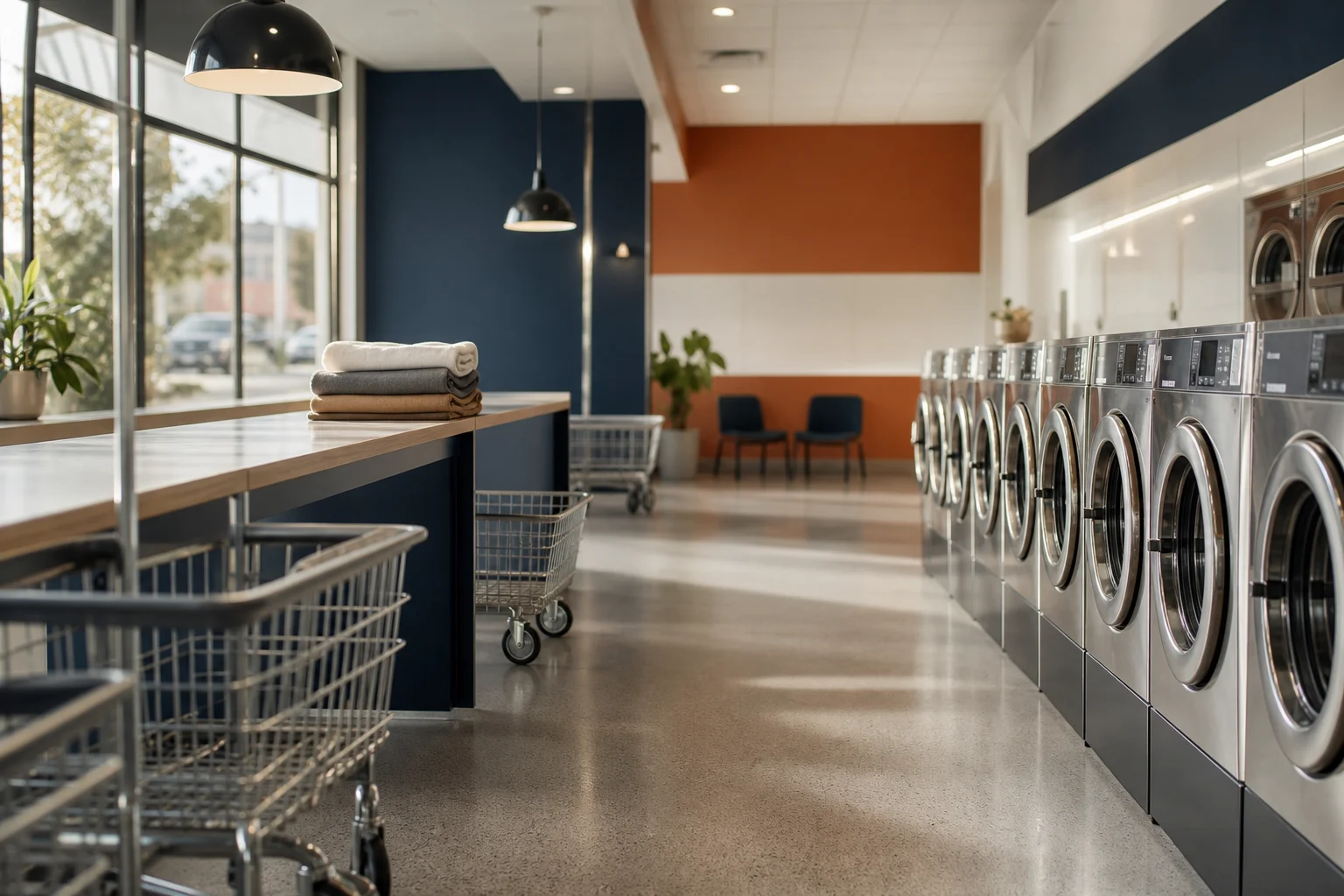
What equipment do you need to open a laundromat in Los Angeles?
The core equipment for any laundromat includes washers, dryers, and supporting systems. In Los Angeles, you'll need to consider both front-load and top-load machines, depending on your target customer base. Front-load washers are generally more efficient and can handle larger loads, while top-load machines may appeal to customers who prefer traditional washing methods. Dryers should be high-capacity and energy-efficient to minimize operating costs in a city where utility expenses can be significant.
Beyond the basic machines, you'll need payment systems, laundry carts, folding tables, and possibly vending machines for detergents and other supplies. The specific configuration will depend on your location's foot traffic, available space, and customer demographics. For example, a laundromat in Downtown LA might benefit from more high-capacity machines to serve apartment dwellers, while a location in Burbank might need a mix of sizes to accommodate both residential and commercial laundry needs.
Buildout cost categories
When planning your laundromat buildout in Los Angeles, several cost categories require careful consideration. These expenses can vary significantly based on your chosen neighborhood and the condition of your commercial space. Understanding these categories helps you allocate resources effectively and avoid unexpected costs during the construction phase.
Plumbing and electrical
Plumbing and electrical work represents one of the most significant buildout expenses for laundromats. In Los Angeles, you'll need to install or upgrade plumbing systems to handle the high water volume and drainage requirements of commercial washing machines. This includes water supply lines, drainage systems, and possibly water heating systems. Electrical work is equally critical, as laundromats require substantial power for multiple machines running simultaneously.
The complexity of these systems depends on your location. For instance, a space in Downtown LA with older infrastructure might require more extensive upgrades than a newer building in Culver City. You'll need to consult with licensed professionals who understand commercial laundry requirements and local building codes.
HVAC and ventilation
Proper heating, ventilation, and air conditioning (HVAC) systems are essential for customer comfort and equipment longevity. Laundromats generate significant heat and moisture, which can create uncomfortable conditions and potentially damage equipment if not properly managed. In Los Angeles's varied climate, you'll need systems that can handle both cooling during hot summer months and heating during cooler periods.
Ventilation is particularly important for removing lint, moisture, and any chemical fumes from the space. This not only improves air quality but also reduces fire hazards associated with lint buildup. The HVAC requirements will vary based on your space size and the number of machines you plan to install.
Flooring and finishes
Flooring choices impact both safety and durability in a laundromat environment. You'll need slip-resistant flooring that can withstand constant moisture and heavy foot traffic. Materials like epoxy or vinyl are common choices due to their durability and ease of maintenance. The finish of your space also affects customer perception and can influence their decision to return.
In neighborhoods like Highland Park, where you might face competition from established operators like Wash Works Laundromat, the quality of your finishes can help differentiate your business. Clean, well-maintained flooring sends a message about your commitment to quality and customer service.
Permits-driven items
Building permits and inspections are mandatory for laundromat construction in Los Angeles. These requirements vary by neighborhood and can include plumbing permits, electrical permits, and health department approvals. Some areas may have additional requirements based on local zoning regulations or historical preservation guidelines.
You'll need to factor in the time and cost of obtaining these permits when planning your buildout timeline. Delays in permit approval can significantly impact your opening schedule, so it's essential to start this process early and work with professionals who understand the local permitting process.
Furniture and signage
Customer-facing elements like seating, folding tables, and signage contribute to the overall customer experience. In competitive markets like Hollywood, where multiple laundromats operate, these details can make your business more appealing. Comfortable seating areas, clean folding stations, and clear signage help create a welcoming environment.
Signage is particularly important for visibility in busy Los Angeles neighborhoods. You'll need to comply with local sign regulations while ensuring your business stands out to potential customers. This might include exterior signage, interior directional signs, and machine instructions.
Equipment line items to validate in Los Angeles
When selecting equipment for your Los Angeles laundromat, several line items require careful validation. These decisions will impact your operational costs, customer satisfaction, and long-term profitability. The right equipment choices can help you compete effectively in neighborhoods with established operators.
Washers and dryers form the core of your equipment investment. In Los Angeles, you'll need to balance initial purchase costs with long-term operating expenses. Energy-efficient models may have higher upfront costs but can save significantly on utility bills over time. Consider the repair and maintenance requirements of different brands and models, as service availability can vary in different parts of the city.
Payment systems are another critical consideration. In a city where customers expect convenience, modern payment options including card readers and mobile payment capabilities can attract more business. You'll need to validate that your chosen payment system integrates well with your machines and can handle the transaction volume typical of Los Angeles laundromats.
Laundry carts and folding tables impact both customer experience and operational efficiency. Durable, easy-to-move carts can reduce staff workload, while well-designed folding stations encourage customers to spend more time (and potentially more money) in your space. In neighborhoods like Burbank, where customers may have larger laundry loads, heavy-duty carts become particularly important.
How established operators in Los Angeles configure their kitchens
Looking at established laundromats in Los Angeles provides valuable insights into successful equipment configurations. Operators in neighborhoods like Downtown LA, Burbank, and Culver City have developed layouts that maximize efficiency while meeting customer needs.
Nice & Clean Coin Laundry in Burbank, with its 3.5-star rating from 118 reviews, likely optimized its equipment layout based on customer flow and machine popularity. Their configuration probably balances high-demand machine types with sufficient capacity to handle peak hours. Understanding how successful operators arrange their spaces can help you avoid common layout mistakes.
In Hollywood, where multiple laundromats compete for customers, operators like Melrose Place Laundromat with its 5-star rating (though only 1 review) may have differentiated themselves through equipment choices or layout. The presence of both high-rated and lower-rated laundromats in the same neighborhood suggests that equipment quality and configuration impact customer satisfaction.
Table: Laundromat Equipment Configuration Considerations
| Equipment Type | Key Considerations for Los Angeles | Neighborhood Examples |
|---|---|---|
| Washers | Energy efficiency, load capacity, payment integration | Nice & Clean Coin Laundry (Burbank) |
| Dryers | Capacity, drying time, maintenance requirements | Wash Works Laundromat (Highland Park) |
| Payment Systems | Multiple payment options, reliability, transaction fees | Various Hollywood locations |
| Laundry Carts | Durability, maneuverability, storage capacity | All neighborhoods |
| Folding Stations | Space efficiency, customer comfort, lighting | Downtown LA locations |
Used vs. new vs. lease
When acquiring equipment for your Los Angeles laundromat, you'll face decisions about purchasing new, used, or leasing machines. Each option has advantages and disadvantages that depend on your budget, timeline, and risk tolerance.
New equipment offers the latest technology and often comes with warranties, reducing maintenance concerns. However, the higher upfront cost may be prohibitive, especially in neighborhoods with high rent bands like those in Los Angeles where space costs can be significant. New machines may also require less frequent repairs, potentially saving money over the long term.
Used equipment presents a more affordable entry point but comes with increased maintenance risks. In Los Angeles's competitive market, the reliability of your equipment can significantly impact customer satisfaction and retention. If you choose used machines, prioritize those from reputable sellers and consider having them inspected before purchase.
Leasing equipment provides flexibility and lower upfront costs, allowing you to upgrade to newer models more easily. This option can be particularly attractive in neighborhoods with changing demographics or when you want to test market demand before making a larger investment. However, leasing typically results in higher long-term costs compared to purchasing.
Buildout timeline
The timeline for your laundromat buildout in Los Angeles will depend on several factors, including permit processing times, contractor availability, and the complexity of your chosen location. In general, you should allow several months from securing your space to opening day.
Permit processing can vary significantly between neighborhoods. Downtown LA, with its mix of historic and modern buildings, may have more complex approval processes than newer areas like Culver City. Working with experienced contractors who understand local requirements can help streamline this process.
Construction and equipment installation typically take a variable local timeline, depending on the size of your space and the extent of buildout required. Factor in time for equipment delivery, installation, and testing before your planned opening date. It's wise to build in extra time for unexpected delays, which are common in construction projects.
Common buildout overruns
Many laundromat owners in Los Angeles encounter unexpected costs during their buildout. Understanding these potential overruns can help you budget more effectively and avoid financial surprises.
Plumbing and electrical issues are common sources of cost overruns. Older buildings, particularly in established neighborhoods like Highland Park, may require more extensive upgrades than initially anticipated. Hidden structural issues or outdated systems can significantly increase these costs.
Permit delays can also impact your timeline and budget. Changes in building codes or additional requirements from inspectors can add unexpected expenses and extend your construction period. Working with experienced professionals who understand local regulations can help minimize these risks.
Equipment delivery issues are another potential problem area. Delays in receiving machines or receiving incorrect models can disrupt your buildout schedule and increase temporary storage costs. Confirm delivery timelines and have contingency plans in place.
| Neighborhood | Locavisor score | Rent band | Local operator signal | Founder validation check |
|---|---|---|---|---|
| Downtown LA (DTLA) | 6.4/10 | $32-$450/sqft/yr NNN | Coin laundry | Check utility capacity, ventilation, plumbing, storage, and fixture layout. |
| Burbank | 6.3/10 | $32-$450/sqft/yr NNN | Nice & Clean Coin Laundry | Check utility capacity, ventilation, plumbing, storage, and fixture layout. |
| Culver City | 6.1/10 | $32-$450/sqft/yr NNN | Coin Laundry Lavanderia | Check utility capacity, ventilation, plumbing, storage, and fixture layout. |
| Highland Park | 6.0/10 | $32-$450/sqft/yr NNN | Wash Works Laundromat | Check utility capacity, ventilation, plumbing, storage, and fixture layout. |
| Hollywood | 6.0/10 | $32-$450/sqft/yr NNN | Laundromat Mini Market Dry Cleaners, Livia Laundromat | Check utility capacity, ventilation, plumbing, storage, and fixture layout. |
FAQ
Q: What are the most important equipment considerations for a laundromat in Los Angeles?
A: The most critical equipment considerations include energy-efficient washers and dryers, reliable payment systems, and durable laundry carts. In Los Angeles's competitive market, equipment reliability directly impacts customer satisfaction and retention. Consider the specific needs of your target neighborhood-Downtown LA may benefit from high-capacity machines, while Burbank might need a mix of sizes.
Q: How do I choose between new and used laundromat equipment in Los Angeles?
A: New equipment offers the latest technology and warranties but has higher upfront costs. Used equipment is more affordable but comes with increased maintenance risks. Leasing provides flexibility but higher long-term costs. Your choice depends on budget, risk tolerance, and how quickly you need to open. In neighborhoods with high rent bands, the reliability of used equipment becomes particularly important.
Q: What buildout costs should I anticipate beyond equipment in Los Angeles?
A: Beyond equipment, anticipate significant costs for plumbing and electrical work, HVAC systems, flooring, and permits. These can vary by neighborhood-Downtown LA spaces may require more extensive upgrades than newer areas. Permits and inspections are mandatory and can add time and expense to your project. Factor in furniture, signage, and payment system integration as well.
Last reviewed: 2026-05-30
Sources: U.S. Census Bureau ACS, LEHD LODES, Google Places, OpenStreetMap, Locavisor neighborhood scoring.
Methodology: Locavisor scores neighborhoods across demand, competition fit, rent fit, accessibility, and customer match. Scores reflect a snapshot of recent data and should be combined with on-the-ground research before lease decisions.
Disclaimer: This article provides informational content only and does not constitute legal, financial, accounting, or real-estate advice. Verify lease terms, licensing, local regulations, costs, and professional requirements with qualified local professionals before making business decisions.
Free preview shows top 3 neighborhoods. Full $9.99 report covers all 10 areas with personalized scoring + 90-day check-ins.
Informational only. Verify lease, licensing, local regulations, costs, and professional requirements with qualified local professionals.