Minneapolis, MN · laundromat
Laundromat equipment costs Minneapolis
Opening a laundromat in Minneapolis requires careful planning around equipment and buildout costs. The city's competitive market demands strategic decisions about what machines to purchase, how to configure your space, and where to allocate your budget. Understanding the specific equipment needs and buildout requirements for a Minneapolis laundromat can help you avoid costly mistakes and ensure your business operates efficiently from day one.
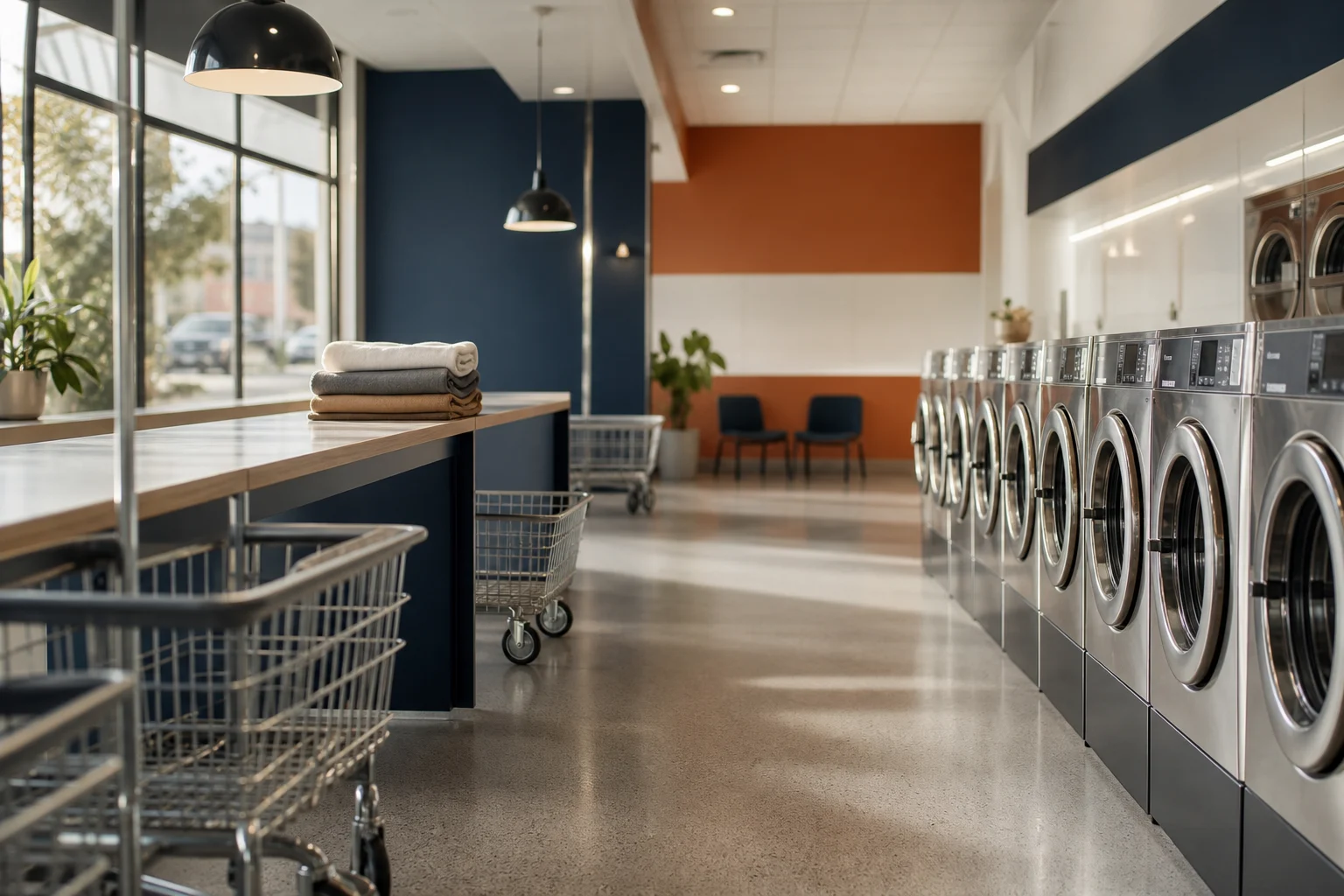
What equipment do you need to open a laundromat in Minneapolis?
The core equipment for any laundromat includes washers, dryers, and ancillary systems. In Minneapolis, you'll need to consider both front-load and top-load machines, depending on your target customer base. Front-load washers are generally more energy-efficient and can handle larger loads, while top-load machines may appeal to customers who prefer traditional washing methods. Dryers should be high-capacity models with efficient heating systems to minimize energy costs. Beyond the basics, you'll need coin changers or card payment systems, laundry carts, folding tables, and possibly vending machines for detergents and other supplies.
When planning your equipment layout, consider the flow of customer traffic and the efficiency of your staff. In Minneapolis neighborhoods like Dinkytown (overall score 6.8/10, rent band $13-$33/sqft/yr NNN), where foot traffic is high due to nearby University of Minnesota locations, you'll want a layout that maximizes throughput during peak hours. The proximity to student housing means you'll likely see higher demand during evening hours and weekends, so equipment placement should facilitate quick service.
Buildout cost categories
Plumbing and electrical
Plumbing and electrical work represents a significant portion of your buildout costs. For a laundromat, you'll need robust plumbing to handle multiple washing machines and dryers running simultaneously. This includes water supply lines, drainage systems, and possibly water heating systems. Electrical work is equally critical, as you'll need sufficient power to run numerous high-energy appliances. In Minneapolis, you'll need to work with licensed professionals who understand local building codes and can ensure your electrical system can handle the load without frequent tripping or safety hazards.
HVAC and ventilation
Proper heating, ventilation, and air conditioning (HVAC) systems are essential for maintaining a comfortable environment for customers and protecting your equipment. Laundromats generate significant heat and moisture, so adequate ventilation prevents mold growth and keeps the space comfortable. In Minneapolis, where temperatures vary significantly between seasons, a reliable HVAC system ensures year-round comfort. Consider energy-efficient models to reduce long-term operating costs, especially in neighborhoods like Cedar-Riverside (overall score 6.7/10, rent band $13-$33/sqft/yr NNN) where utility costs can impact your bottom line.
Flooring and finishes
Flooring in a laundromat must be durable, slip-resistant, and easy to clean. Vinyl or epoxy flooring is common due to its resistance to water damage and ease of maintenance. Wall finishes should also be durable and easy to clean, as they'll be exposed to moisture and potential splashes. In high-traffic areas like Stadium Village (overall score 6.6/10, rent band $13-$33/sqft/yr NNN), where customers may be in a hurry, slip-resistant flooring becomes even more critical for safety.
Permits-driven items
Building permits and inspections are mandatory for laundromat construction in Minneapolis. You'll need to work with the city's planning department to ensure your buildout meets all local codes and regulations. This may include fire safety systems, accessibility requirements, and plumbing/electrical inspections. The permitting process can add time and cost to your project, so factor this into your timeline and budget.
Furniture and signage
Customer-facing elements like seating, folding tables, and signage contribute to the overall customer experience. Comfortable seating encourages customers to stay longer, potentially increasing their spending on additional services. Clear, visible signage helps customers navigate your space and understand your offerings. In competitive neighborhoods like Lake Street / Powderhorn (overall score 5.8/10, rent band $13-$33/sqft/yr NNN), where Lake Street Laundromat operates, distinctive signage can help your business stand out.
Equipment line items to validate in Minneapolis
When selecting equipment for your Minneapolis laundromat, consider the specific needs of your target market. In student-heavy areas like Dinkytown, you may want to prioritize machines that handle larger loads, as students often have bulk laundry needs. Energy-efficient models can help reduce operating costs, which is particularly important in neighborhoods with higher utility rates. Card payment systems are increasingly expected by customers, so investing in modern payment technology can improve customer satisfaction and reduce theft risks.
The type of machines you choose will also impact your maintenance costs. Higher-quality equipment may have a higher upfront cost but could save money in the long run through reduced repairs and longer lifespan. Research local service providers in Minneapolis to understand maintenance costs and availability before making your final equipment decisions.
How established operators in Minneapolis configure their kitchens
While the grounding data doesn't provide specific equipment configurations from established laundromats, we can infer best practices from the market context. Operators in high-traffic areas like Dinkytown and Cedar-Riverside likely prioritize efficiency and throughput in their equipment layouts. This means placing frequently used machines in easily accessible locations and ensuring adequate space between machines for customer comfort and safety.
The presence of Lake Street Laundromat in Lake Street / Powderhorn suggests that offering additional services, like food options, can differentiate your business in competitive markets. While this laundromat offers hamburgers and chicken sandwiches, other operators might focus on convenience services like drop-off laundry or premium detergents. Understanding what services successful local operators provide can help you identify opportunities in your target neighborhood.
Used vs. new vs. lease
Deciding between new, used, or leased equipment is a critical financial decision for your laundromat. New equipment comes with warranties and the latest technology but has a higher upfront cost. Used equipment can save money initially but may require more frequent repairs and have a shorter lifespan. Leasing offers lower upfront costs and includes maintenance, but you'll pay more over time and never own the equipment.
In Minneapolis's competitive market, the right choice depends on your budget, risk tolerance, and long-term plans. Neighborhoods with higher rent bands like Dinkytown (overall score 6.8/10, rent band $13-$33/sqft/yr NNN) may justify investing in new equipment to attract customers willing to pay for quality and convenience. In areas with lower rent expectations, used or leased equipment might be more appropriate.
Buildout timeline
The buildout timeline for a Minneapolis laundromat depends on several factors, including permit processing times, contractor availability, and the complexity of your design. Permit approval can take several weeks, especially if your location requires special considerations. Once permits are secured, construction typically takes a variable local timeline for a standard laundromat buildout, though this can vary based on the size of your space and the extent of renovations needed.
Factor in time for equipment ordering and delivery, which can add several weeks to your timeline, especially for custom or specialized machines. In busy construction seasons, contractor schedules may be full, potentially extending your buildout period. Planning for contingencies in your timeline can help prevent delays that might impact your opening date.
Common buildout overruns
Several factors commonly lead to budget overruns in laundromat buildouts. Unforeseen structural issues discovered during demolition can require additional work and expense. Changes to the original design during construction, while sometimes necessary, often increase costs. Delays in permit approvals or equipment delivery can extend the project timeline, increasing labor and rental costs.
In Minneapolis, where winter weather can impact construction schedules, factor in potential weather-related delays. Working with experienced local contractors who understand the city's building processes can help minimize these risks. Regular communication with your team and maintaining flexibility in your budget can help you navigate unexpected challenges without derailing your project.
| Neighborhood | Locavisor score | Rent band | Local operator signal | Founder validation check |
|---|---|---|---|---|
| Dinkytown | 6.8/10 | $13-$33/sqft/yr NNN | No direct operator listed | Check utility capacity, ventilation, plumbing, storage, and fixture layout. |
| Cedar-Riverside | 6.7/10 | $13-$33/sqft/yr NNN | No direct operator listed | Check utility capacity, ventilation, plumbing, storage, and fixture layout. |
| Stadium Village | 6.6/10 | $13-$33/sqft/yr NNN | No direct operator listed | Check utility capacity, ventilation, plumbing, storage, and fixture layout. |
| St. Anthony Main | 6.1/10 | $13-$33/sqft/yr NNN | No direct operator listed | Check utility capacity, ventilation, plumbing, storage, and fixture layout. |
| Lake Street / Powderhorn | 5.8/10 | $13-$33/sqft/yr NNN | Lake Street Laundromat, with big washers & fresh hamburgers, and chicken sandwiches | Check utility capacity, ventilation, plumbing, storage, and fixture layout. |
FAQ
What equipment do I need to open a laundromat in Minneapolis?
To open a laundromat in Minneapolis, you'll need washers, dryers, coin changers or card payment systems, laundry carts, folding tables, and possibly vending machines for detergents and other supplies. The specific mix depends on your target market and location. In student-heavy areas like Dinkytown, prioritize machines that handle larger loads and consider energy-efficient models to reduce operating costs.
How do Minneapolis neighborhood characteristics affect equipment choices?
Neighborhood characteristics significantly impact equipment decisions. In areas with high foot traffic like Dinkytown (overall score 6.8/10, rent band $13-$33/sqft/yr NNN), prioritize efficiency and throughput. Student-heavy neighborhoods may benefit from machines that handle larger loads. Consider the local customer base and their preferences when selecting equipment types and configurations.
What are the biggest buildout cost categories for a Minneapolis laundromat?
The biggest buildout cost categories for a Minneapolis laundromat include plumbing and electrical work, HVAC and ventilation systems, flooring and finishes, permit-related expenses, and furniture and signage. Plumbing and electrical are particularly critical due to the high energy and water demands of laundromat equipment. Energy-efficient systems can help reduce long-term operating costs, especially in neighborhoods with higher utility rates.
Last reviewed: 2026-05-30
Sources: U.S. Census Bureau ACS, LEHD LODES, Google Places, OpenStreetMap, Locavisor neighborhood scoring.
Methodology: Locavisor scores neighborhoods across demand, competition fit, rent fit, accessibility, and customer match. Scores reflect a snapshot of recent data and should be combined with on-the-ground research before lease decisions.
Disclaimer: This article provides informational content only and does not constitute legal, financial, accounting, or real-estate advice. Verify lease terms, licensing, local regulations, costs, and professional requirements with qualified local professionals before making business decisions.
Free preview shows top 3 neighborhoods. Full $9.99 report covers all 10 areas with personalized scoring + 90-day check-ins.
Informational only. Verify lease, licensing, local regulations, costs, and professional requirements with qualified local professionals.