Phoenix, AZ · laundromat
Laundromat equipment costs Phoenix
When planning a laundromat in Phoenix, understanding equipment costs is crucial for your startup budget. The right equipment selection impacts both initial investment and long-term operational efficiency. Phoenix's market conditions vary significantly by neighborhood, with Tempe / ASU campus ranking as the top location at 6.8/10 according to Locavisor neighborhood scoring.
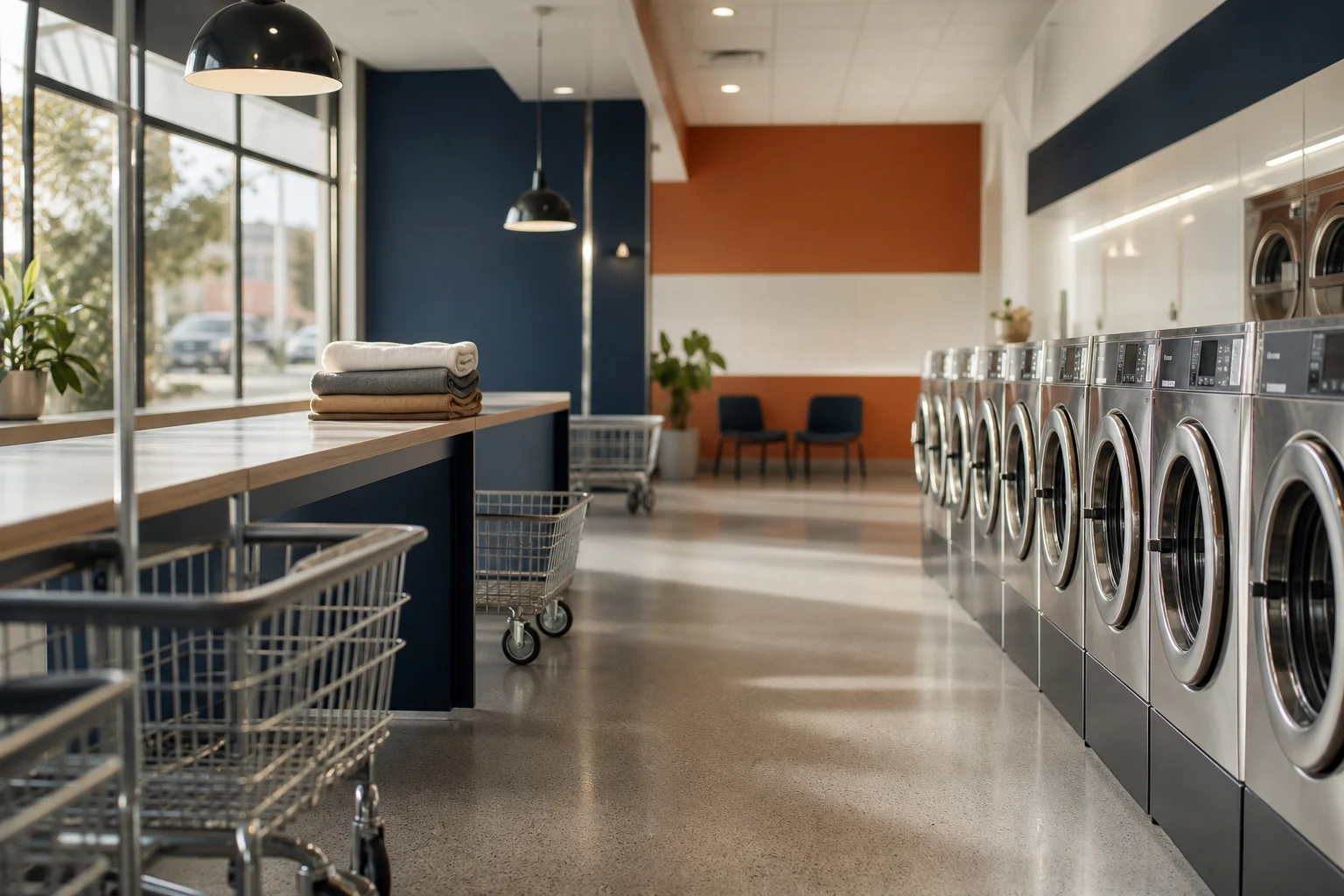
Equipment categories by launch format
For a laundromat in Phoenix, equipment selection depends on your chosen business model. Self-service models require different equipment than wash-and-fold operations. The Tempe / ASU campus area presents an ideal opportunity for a self-service + wash-and-fold model that captures student laundry patterns, given the 50K+ student population and zero direct laundromat competitors within 800m. Your equipment mix should align with customer demand patterns in your chosen location.
Basic equipment categories include washers, dryers, folding tables, payment systems, and utility infrastructure. Each category offers different price points and efficiency levels. The market temperature in Phoenix is mixed, affecting equipment availability and pricing.
Buildout assumptions that change the budget
Buildout requirements vary significantly based on your chosen location in Phoenix. The Tempe / ASU campus area offers city-leading walkability and near-ceiling late-night demand, which influences your layout decisions. Rent level in Phoenix is low, but buildout costs depend on the condition of the space and local regulations.
Second-generation spaces may require less extensive buildout than ground-up construction. The Roosevelt Row area has two existing laundromats—Sparkles Laundromat City Center (3.7★, 132 reviews) and LAVANDERIA (5★, 4 reviews)—but both are small-scale operators. Your edge could come from modern equipment and extended hours.
Utility infrastructure represents a significant portion of buildout costs. Water lines, electrical systems, and ventilation requirements impact your budget. The Camelback Corridor has office density near ceiling with roughly 8,500 workers within 800m, suggesting potential weekday lunch traffic that influences utility planning.
New vs used equipment tradeoffs
New equipment offers the latest efficiency features and warranty protection but comes with higher upfront costs. Used equipment reduces initial investment but may require more maintenance and have higher operating costs. The competition density in Phoenix is medium, affecting your equipment differentiation strategy.
Energy-efficient models can reduce long-term operating expenses despite higher initial costs. Modern washers and dryers use less water and electricity, which matters in Phoenix's climate. The score confidence in Locavisor's data is 72%, suggesting equipment selection should consider both current data and evolving market conditions.
Equipment financing options vary based on new versus used purchases. New equipment often qualifies for better financing terms but requires larger down payments. The data vintage is 2026-05 snapshot, indicating that equipment technology may continue to evolve.
What to inspect in a second-generation space
When considering a second-generation laundromat space in Phoenix, thorough inspection of existing equipment and infrastructure is essential. The Tempe / ASU campus area has zero direct laundromat competitors within 800m despite maxed-out student density, making equipment condition assessment particularly important.
Check washer and dryer functionality, age, and maintenance history. Older equipment may require immediate replacement or significant repairs. The Roosevelt Row area expects roughly $30-50/sqft NNN rent, influencing your equipment replacement timeline.
Plumbing and electrical systems should be evaluated for capacity and code compliance. Utility upgrades can significantly impact your budget. The Camelback Corridor has no laundromat competitors found, but the customer archetype skews toward professionals who may have in-unit laundry, affecting equipment selection.
Ventilation systems are often overlooked but critical for customer comfort and equipment longevity. Proper ventilation prevents moisture buildup and extends equipment life. The rent level in Phoenix is low, but utility costs should factor into your equipment maintenance budget.
FAQ
What equipment do I need for A Laundromat in Phoenix?
A laundromat in Phoenix requires washers, dryers, folding tables, payment systems, and utility infrastructure. Equipment selection should align with your chosen location's customer demographics. The Tempe / ASU campus area, with its 50K+ student population and zero direct competitors within 800m, favors a mix of commercial and residential-grade equipment that can handle high-volume usage.
How does location affect equipment needs in Phoenix?
Location significantly impacts equipment needs based on customer demographics and usage patterns. The Roosevelt Row area has strong walkability and high daytime population density, suggesting equipment that accommodates shorter, more frequent cycles. The Camelback Corridor's office density of roughly 8,500 workers within 800m indicates potential for quick wash-and-fold services during lunch hours.
Should I buy new or used equipment for my Phoenix laundromat?
New equipment offers better efficiency and warranty protection but comes with higher upfront costs. Used equipment reduces initial investment but may require more maintenance. The market temperature in Phoenix is mixed, so consider your financing options and long-term operational costs when making this decision.
What buildout considerations are specific to Phoenix?
Phoenix's climate affects ventilation and cooling requirements for laundromat spaces. The low rent level in Phoenix makes buildout planning more feasible, but utility infrastructure costs can vary by neighborhood. The Tempe / ASU campus area's city-leading walkability influences customer flow patterns and equipment placement.
How do I evaluate existing equipment in a second-generation space?
Thoroughly inspect washer and dryer functionality, age, and maintenance history. Check plumbing and electrical systems for capacity and code compliance. The competition density in Phoenix is medium, so equipment condition assessment should consider how your offerings will differentiate from existing operators like those in Roosevelt Row.
Last reviewed: 2026-05-08
Sources: U.S. Census Bureau ACS, LEHD LODES, Google Places, OpenStreetMap, Locavisor neighborhood scoring.
Methodology: Locavisor scores neighborhoods across demand, competition fit, rent fit, accessibility, and customer match. Scores reflect a snapshot of recent data and should be combined with on-the-ground research before lease decisions.
Disclaimer: This article provides informational content only and does not constitute legal, financial, accounting, or real-estate advice. Verify lease terms, licensing, local regulations, costs, and professional requirements with qualified local professionals before making business decisions.
Free preview shows top 3 neighborhoods. Full $9.99 report covers all 10 areas with personalized scoring + 90-day check-ins.
Informational only. Verify lease, licensing, local regulations, costs, and professional requirements with qualified local professionals.