San Francisco, CA · laundromat
Laundromat equipment costs San Francisco
Starting a laundromat in San Francisco requires careful planning of equipment and buildout costs. The city's unique market conditions and specific neighborhood characteristics will significantly impact your equipment decisions and budget allocation. Understanding these factors is crucial for a successful launch in a competitive urban environment.
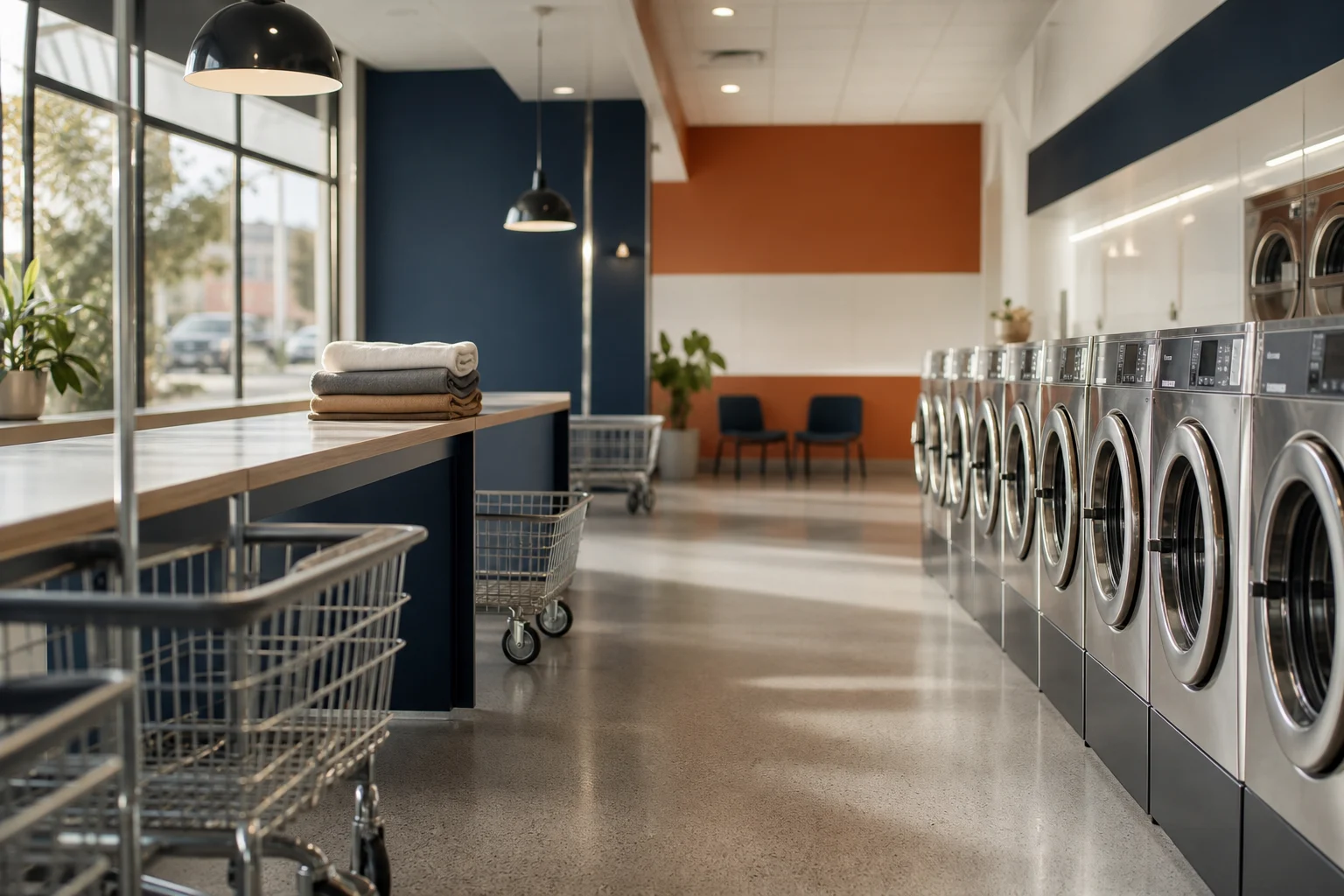
Equipment categories by launch format
When planning your laundromat equipment costs in San Francisco, the format you choose will determine your equipment categories. The three primary formats are self-service, wash-and-fold, and hybrid models. Each format requires different equipment investments based on your target market and operational strategy.
In San Francisco's Tenderloin area, which ranks #1 for a laundromat with a score of 5.7/10, the market presents a clear opportunity for a modern wash-and-fold operation with extended hours. With roughly 10,500 potential weekday customers within 800m and six existing laundromats within 750m, most closing by 7PM, there's a gap in the market for extended hours. This format would require commercial washers, dryers, folding tables, and specialized wash-and-fold processing equipment.
Nob Hill, ranking #2 with a score of 5.6/10, presents a different opportunity. With strong residential density and walkability, and existing competitors like SF Laundromat (4.6★, 322 reviews) and Diamond Coin Laundromat (3.8★), this area could support a premium wash-and-fold service. Your equipment investment here might focus on higher-end, more efficient machines that justify premium pricing.
Excelsior / Outer Mission, ranking #3 with a score of 5.4/10, is the strongest family-oriented option. With a family index well above other candidates and residential density near ceiling, this area is a pure residential play. Existing laundromats like Laundromat Business (4.4★) and Coin laundry (4.3★) within 300m show proven demand. Your equipment strategy here might prioritize family-friendly features and larger capacity machines.
Buildout assumptions that change the budget
Buildout assumptions significantly impact your equipment budget for a San Francisco laundromat. The rent level in these areas is medium, with roughly $45-70/sqft NNN in Nob Hill and Excelsior / Outer Mission. This directly affects how much you can invest in equipment versus space improvements.
In the Tenderloin, with its mixed market temperature and medium competition density, your buildout might focus on creating a welcoming environment that justifies premium pricing despite the neighborhood's challenges. This could include enhanced lighting, security systems, and customer amenities that complement your core equipment investment.
For Nob Hill's upscale residential base, your buildout might emphasize premium finishes and amenities that match the neighborhood's character. This could include higher-end flooring, improved ventilation systems, and customer waiting areas that enhance the perceived value of your service.
In Excelsior / Outer Mission, with its strong family orientation, your buildout might focus on practical considerations like durable surfaces, child-friendly amenities, and efficient workflow design that accommodates families with multiple loads of laundry.
New vs used equipment tradeoffs
The decision between new and used equipment significantly impacts your initial investment and long-term operational costs for a San Francisco laundromat. New equipment offers the latest efficiency standards, warranty protection, and modern aesthetics that can justify premium pricing. However, used equipment provides significant cost savings that can be redirected to other aspects of your business.
In the Tenderloin, where market conditions are mixed and competition density is medium, investing in new, efficient equipment might help differentiate your business from existing laundromats that score below 4.0★. The energy efficiency of new machines could also help offset higher utility costs in the city.
For Nob Hill's premium market segment, new equipment with advanced features and modern design might be necessary to compete effectively with established players and justify higher price points. The investment in new equipment aligns with the neighborhood's upscale residential base.
In Excelsior / Outer Mission, where the market is more price-sensitive and family-oriented, a mix of new and used equipment might provide the best balance. Investing in new washers and dryers for high-traffic areas while using used equipment for less critical functions could optimize your budget without compromising service quality.
What to inspect in a second-generation space
When considering a second-generation space for your San Francisco laundromat, thorough inspection of existing infrastructure can significantly impact your equipment budget and buildout requirements. The condition of plumbing, electrical systems, ventilation, and flooring will determine how much additional investment is needed beyond your core equipment.
In the Tenderloin, inspect the existing laundromats that close by 7PM to understand their limitations. Look for signs of outdated equipment, poor maintenance, and inadequate customer amenities that your business could improve. The presence of six existing laundromats within 750m suggests the infrastructure can support multiple operations, but you'll need to identify specific deficiencies you can address.
For Nob Hill, examine how existing competitors like SF Laundromat and Diamond Coin Laundromat utilize their space. Look for opportunities to differentiate through equipment upgrades and improved customer experience. The premium nature of this neighborhood might justify investing in higher-end equipment that complements the existing infrastructure.
In Excelsior / Outer Mission, inspect the family-oriented laundromats like Laundromat Business and Coin laundry to understand their equipment configurations and customer flow. The strong family index suggests you'll need equipment that accommodates larger loads and potentially additional amenities for families with children.
FAQ
What equipment do I need for A Laundromat in San Francisco?
The equipment needed for a laundromat in San Francisco depends on your chosen format and target market. For a self-service operation, you'll need commercial washers and dryers in various sizes, payment systems, and basic amenities. A wash-and-fold operation requires additional equipment like folding tables, sorting stations, and specialized processing equipment. A hybrid model combines elements of both formats. The specific equipment needs will vary based on your location's characteristics and customer demographics.
How does location affect equipment costs in San Francisco?
Location significantly impacts equipment costs in San Francisco through rent levels, market conditions, and competition density. Areas like Nob Hill with higher rent levels might require more efficient equipment to justify premium pricing. The Tenderloin's mixed market temperature might necessitate equipment that offers both efficiency and durability. Competition density in these areas also influences equipment decisions, as you'll need to differentiate from existing laundromats through equipment quality and features.
Should I buy new or used equipment for my San Francisco laundromat?
The decision between new and used equipment depends on your budget, target market, and long-term strategy. New equipment offers better efficiency, warranty protection, and modern aesthetics but comes with higher upfront costs. Used equipment provides significant savings but may require more maintenance and lack the latest efficiency features. In San Francisco's competitive market, a strategic mix of new and used equipment might provide the best balance for your specific location and business model.
What buildout factors should I consider for my laundromat equipment?
Key buildout factors include plumbing capacity for multiple machines, electrical systems that handle high-power equipment, ventilation for proper air quality, and flooring that can withstand constant moisture and traffic. You'll also need to consider customer amenities like waiting areas, restrooms, and payment systems. The specific buildout requirements will vary based on your location's characteristics and the equipment you choose to install.
How does San Francisco's market temperature affect equipment planning?
San Francisco's mixed market temperature affects equipment planning by influencing customer expectations and competitive positioning. In a mixed market, you'll need equipment that offers both efficiency and durability to serve diverse customer needs. The market temperature also affects pricing strategies, which in turn influences your equipment investment decisions. Understanding the specific market conditions of your chosen location will help you make informed equipment planning decisions.
Last reviewed: 2026-05-08
Sources: U.S. Census Bureau ACS, LEHD LODES, Google Places, OpenStreetMap, Locavisor neighborhood scoring.
Methodology: Locavisor scores neighborhoods across demand, competition fit, rent fit, accessibility, and customer match. Scores reflect a snapshot of recent data and should be combined with on-the-ground research before lease decisions.
Disclaimer: This article provides informational content only and does not constitute legal, financial, accounting, or real-estate advice. Verify lease terms, licensing, local regulations, costs, and professional requirements with qualified local professionals before making business decisions.
Free preview shows top 3 neighborhoods. Full $9.99 report covers all 10 areas with personalized scoring + 90-day check-ins.
Informational only. Verify lease, licensing, local regulations, costs, and professional requirements with qualified local professionals.