San Jose, CA · laundromat
Laundromat equipment costs San Jose
Opening a laundromat in San Jose requires careful planning around equipment and buildout costs. The equipment choices you make will directly impact your operational efficiency, customer experience, and long-term profitability. San Jose's diverse neighborhoods present different opportunities and challenges for laundromat operators, with varying rent structures and customer demographics that influence equipment needs. Understanding the specific requirements for your chosen location is critical before committing to any major purchases or construction plans.
What equipment do you need to open a laundromat in San Jose?
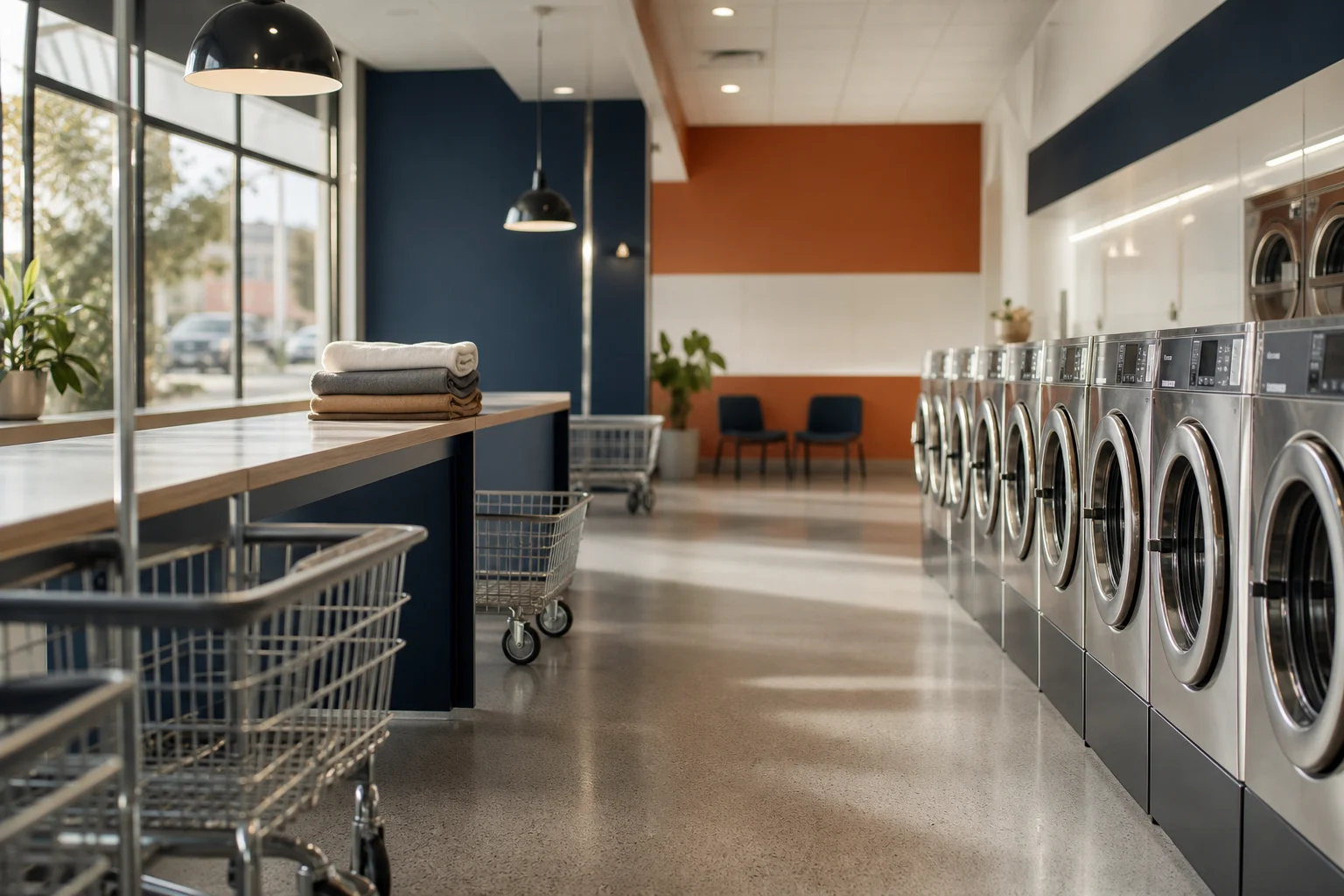
The core equipment for any laundromat includes washers, dryers, and ancillary systems. In San Jose, you'll need to consider the specific demands of each neighborhood when selecting your equipment lineup. Downtown San Jose, with its high foot traffic from San Jose State University and nearby office spaces, may benefit from faster cycle machines and card payment systems. The Naglee Park/SJSU area, with its mix of student housing and retail, might require machines that handle different load sizes and payment flexibility. Your equipment selection should align with the local customer base and their laundry habits.
Washers form the foundation of your laundromat. You'll need a mix of top-load and front-load machines, with varying capacities to accommodate different customer needs. Front-load machines are generally more energy-efficient and can handle larger loads, making them popular in high-traffic areas. Top-load machines may be preferred in neighborhoods with older demographics or where customers value simplicity. The choice between coin-operated, card, or mobile payment systems will depend on your target demographic and the technological expectations of San Jose residents.
Dryers are equally important, and you'll need to balance capacity with energy efficiency. Modern dryers with sensor technology can reduce energy consumption while ensuring clothes are properly dried. In San Jose's climate, you might consider machines with enhanced ventilation capabilities to handle the local humidity levels. The number of dryers should typically exceed the number of washers by about 20-30% to accommodate peak usage times.
Ancillary equipment includes folding tables, laundry carts, vending machines for detergents and softeners, and a change machine or cashless payment system. Security systems, including cameras and alarm systems, are essential for protecting your investment. You'll also need a water heater system capable of handling the demands of multiple machines running simultaneously, and a drainage system that meets local plumbing codes.
Buildout cost categories
Plumbing and electrical
Plumbing and electrical work represents a significant portion of your laundromat buildout costs. San Jose's building codes require specific installations for commercial laundry operations. You'll need to install separate hot and cold water lines for each machine, with appropriate pressure regulators and backflow preventers. The electrical system must handle the high power demands of commercial washers and dryers, often requiring three-phase power in larger installations.
In neighborhoods like Santana Row/Valley Fair, where rent bands reach $110/sqft/yr NNN, you'll want to ensure your electrical and plumbing systems are efficient to minimize long-term operational costs. The high-end customer base in this area may expect faster cycle times and more advanced features, which require robust infrastructure. Working with a licensed plumber and electrician who understands commercial laundry requirements is essential to avoid costly mistakes and ensure code compliance.
HVAC and ventilation
Proper ventilation is critical for laundromat operations, especially in San Jose's climate. Commercial dryers generate significant heat and moisture that must be properly exhausted. You'll need a ventilation system that meets local building codes and ensures good air quality for customers and staff. In neighborhoods like Downtown San Jose, where space may be at a premium, efficient ventilation systems become even more important.
HVAC systems must maintain comfortable temperatures year-round. San Jose's mild climate reduces some heating demands, but air conditioning may still be necessary during warmer months. The system should be sized appropriately for your equipment load and the square footage of your space. Energy-efficient systems can help reduce long-term operating costs, which is particularly valuable in higher-rent areas like Santana Row/Valley Fair.
Flooring and finishes
Flooring choices impact both safety and customer experience. Commercial-grade, slip-resistant flooring is essential in laundromats where water spills are common. Materials should be durable, easy to clean, and able to withstand heavy foot traffic and equipment weight. In neighborhoods like Willow Glen, where the rent band is $48/sqft/yr NNN, durable flooring can help reduce maintenance costs over time.
Wall finishes should be easy to clean and resistant to moisture damage. Considerations include paint, tile, or specialized wall panels. Lighting is another important factor - bright, even illumination improves safety and creates a welcoming atmosphere. Energy-efficient LED lighting can reduce electricity costs while providing excellent visibility for customers folding laundry.
Permits-driven items
Building permits are required for laundromat construction and equipment installation in San Jose. You'll need to work with the city's planning and building departments to ensure compliance with all regulations. Permits may be required for plumbing, electrical, HVAC, and structural modifications. The process can vary depending on your location and the extent of your buildout.
Health department permits are also necessary, particularly for any food or beverage vending you might include. Fire department permits may be required for your ventilation system and fire suppression equipment. Working with a contractor experienced in commercial laundromat builds can help navigate the permitting process and ensure all requirements are met.
Furniture and signage
Customer-facing elements like folding tables, seating, and signage contribute to the overall customer experience. Folding tables should be sturdy, appropriately sized, and positioned for easy access. Seating areas provide comfort for customers waiting for their laundry, particularly valuable in neighborhoods with older demographics or families.
Signage should be clear and visible, indicating machine types, payment options, and operating hours. Digital signage can provide real-time information about machine availability and special promotions. In competitive areas like Downtown San Jose, thoughtful design and clear communication can help your laundromat stand out from nearby options.
Equipment line items to validate in San Jose
When selecting equipment for your San Jose laundromat, consider the specific needs of each neighborhood. Downtown San Jose, with its high student population and office workers, may benefit from machines with faster cycle times and card payment options. The Naglee Park/SJSU area, with its mix of housing types, might require a range of machine sizes to accommodate different household needs.
In the Rose Garden neighborhood, where rent bands range from $44-$110/sqft/yr NNN, you'll need to balance initial equipment costs with long-term durability. Higher-rent areas can support more premium equipment, while lower-rent locations may require more budget-conscious choices. The key is to match your equipment investment to your expected revenue and customer expectations.
Dryer capacity and efficiency are particularly important in San Jose's climate. Machines with advanced moisture sensors can reduce energy consumption while ensuring clothes are properly dried. Consider the typical laundry loads in your target neighborhood - families may need larger capacity machines, while students might prefer smaller, faster options.
Payment systems should align with local preferences. San Jose's tech-savvy population may expect mobile payment options and card readers. However, maintaining coin acceptance can be important for customers without bank accounts or those who prefer traditional payment methods. Offering multiple payment options can broaden your customer base.
How established operators in San Jose configure their kitchens
While the grounding data doesn't provide specific laundromat configurations, we can infer best practices from the neighborhood characteristics. In high-traffic areas like Downtown San Jose, operators might prioritize speed and efficiency, installing faster cycle machines and multiple payment kiosks. The presence of San Jose State University suggests a younger demographic that values technology and convenience.
In family-oriented neighborhoods like Willow Glen, operators might focus on larger capacity machines and family-friendly amenities like seating areas and entertainment options. The $48/sqft/yr NNN rent band in Willow Glen allows for a balance between equipment quality and operational costs.
The Santana Row/Valley Fair area, with its $110/sqft/yr NNN rent band, suggests a more premium offering. Operators in this area might invest in higher-end machines with advanced features, enhanced customer service, and a more luxurious environment. The presence of Westfield Valley Fair and Santana Row indicates a customer base with higher expectations for quality and experience.
Used vs. new vs. lease
Equipment purchasing decisions require careful consideration of your budget, expected revenue, and risk tolerance. New equipment comes with warranties and the latest features but represents a significant upfront investment. Used equipment can reduce initial costs but may require more maintenance and have a shorter lifespan.
Leasing options provide lower upfront costs and potential tax advantages but result in higher long-term expenses. The right choice depends on your financial situation and business plan. In San Jose's competitive market, the condition and reliability of your equipment can significantly impact customer satisfaction and repeat business.
Consider the total cost of ownership, including maintenance, repairs, and energy consumption, rather than just the purchase price. Energy-efficient machines may have higher upfront costs but can reduce utility bills over time. In neighborhoods with higher rent bands, investing in quality equipment that reduces long-term operating costs can improve your profit margins.
| Equipment Type | New Purchase | Used Purchase | Lease Option | Best For |
|---|---|---|---|---|
| Washers | Higher upfront, longer lifespan | Lower upfront, potential maintenance | Lower upfront, higher long-term | Budget and expected revenue |
| Dryers | Energy-efficient models available | Cost savings but reliability concerns | Flexible payments | Cash flow considerations |
| Ancillary | Latest features and warranties | Budget option | Tax advantages | Financial strategy |
Buildout timeline
The buildout timeline for a laundromat in San Jose depends on several factors, including permit processing times, contractor availability, and the complexity of your design. Permit approval can take several weeks to months, depending on the scope of your project and the specific requirements of your location.
Construction and equipment installation typically takes a variable local timeline for a standard laundromat. More complex designs or locations with structural challenges may require additional time. Working with experienced contractors who understand San Jose's building processes can help streamline the timeline and minimize delays.
Coordination between different trades - plumbers, electricians, HVAC specialists, and equipment installers - is crucial for efficient project completion. Delays in one area can impact the entire timeline, so clear communication and scheduling are essential. Factor in time for inspections and any necessary adjustments to ensure your laundromat meets all code requirements before opening.
Common buildout overruns
Several factors can lead to cost overruns in laundromat buildouts. Unforeseen structural issues discovered during construction can require additional work and expense. Changes to the original design, whether due to regulatory requirements or new insights, can also increase costs.
Equipment delivery delays can impact your timeline and potentially incur storage fees. Choosing equipment with longer lead times requires careful planning to avoid project delays. Backup suppliers or flexible delivery arrangements can help mitigate this risk.
Permitting challenges are common in commercial construction. Changes to building codes or additional requirements from inspectors can add time and cost to your project. Working with professionals who understand the local regulatory environment can help anticipate and address these issues proactively.
Labor costs can also exceed estimates, particularly if the project takes longer than planned. Having contingency funds available for unexpected expenses is essential for managing your budget effectively. Regular communication with your contractor about potential issues can help identify problems early and find solutions before they become major cost drivers.
FAQ
What are the most important factors to consider when choosing a laundromat location in San Jose?
When selecting a location, consider the rent band, customer demographics, and competition. Downtown San Jose offers high foot traffic but comes with $55/sqft/yr NNN rent. Neighborhoods like Willow Glen provide more moderate rents at $48/sqft/yr NNN with strong local communities. Research the specific needs of each area's population to match your equipment and service offerings.
How do San Jose's different neighborhoods affect equipment needs?
Downtown San Jose's student and office worker population may prefer faster machines and card payments. Family-oriented areas like Willow Glen might need larger capacity machines. High-rent areas like Santana Row/Valley Fair can support premium equipment with advanced features. Match your equipment to the local customer base and their laundry habits.
What permits are required to open a laundromat in San Jose?
You'll need building permits for construction and equipment installation, health department permits for any vending, and potentially fire department permits for ventilation systems. Work with San Jose's planning and building departments to ensure compliance with all regulations before starting your buildout.
Last reviewed: 2026-05-30
Sources: U.S. Census Bureau ACS, LEHD LODES, Google Places, OpenStreetMap, Locavisor neighborhood scoring.
Methodology: Locavisor scores neighborhoods across demand, competition fit, rent fit, accessibility, and customer match. Scores reflect a snapshot of recent data and should be combined with on-the-ground research before lease decisions.
Disclaimer: This article provides informational content only and does not constitute legal, financial, accounting, or real-estate advice. Verify lease terms, licensing, local regulations, costs, and professional requirements with qualified local professionals before making business decisions.
Free preview shows top 3 neighborhoods. Full $9.99 report covers all 10 areas with personalized scoring + 90-day check-ins.
Informational only. Verify lease, licensing, local regulations, costs, and professional requirements with qualified local professionals.