Seattle, WA · laundromat
Laundromat equipment costs Seattle
Planning a laundromat in Seattle requires careful consideration of equipment costs and buildout requirements. The city offers promising market conditions with medium competition density and low rent levels, making it an attractive location for laundry entrepreneurs. Locavisor neighborhood scoring identifies U-District (University District) as the top location with a 7.0/10 score, followed by Wallingford (6.7/10) and Roosevelt (6.3/10). Each neighborhood presents unique opportunities and challenges for equipment planning and budget allocation.
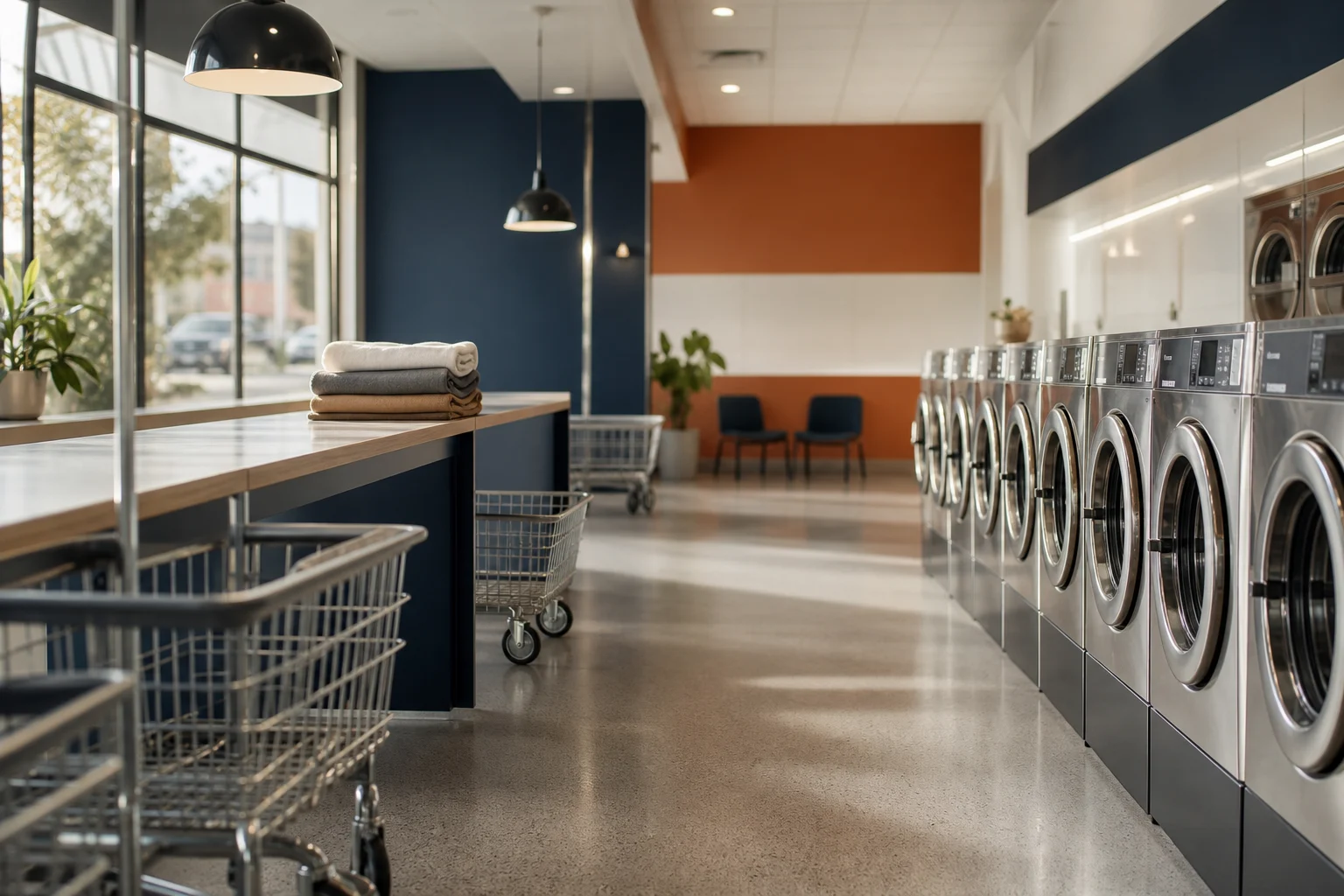
Equipment categories by launch format
When planning your Seattle laundromat, equipment selection depends on your chosen format and target market. The U-District ranks #1 for a laundromat with zero direct competitors, massive student + residential density, and strong late-night activity. This suggests a need for robust equipment that can handle high usage during peak hours. For a traditional self-service model, you'll need commercial-grade washers and dryers in various sizes to accommodate different load capacities.
Washing equipment forms the backbone of any laundromat operation. In areas like Wallingford, which has one existing laundromat operating only 11 AM–4 PM weekdays and closed weekends, there's a clear service gap for extended hours. This means your equipment must be reliable enough to withstand continuous operation throughout longer business hours. Consider the balance between front-load and top-load machines based on your customer demographics—U-District's young, transient customer base may prefer different equipment than Roosevelt's more established residential community.
Dryer capacity is equally critical. Seattle's climate means customers will rely heavily on functional dryers year-round. In the U-District, where rent is manageable at roughly $30-50/sqft NNN, you can invest in higher-capacity dryers to serve the dense population. Additional equipment categories include payment systems, folding tables, wash-and-fold stations if offering that service, and specialized equipment like dry cleaning units or commercial irons depending on your business model.
Buildout assumptions that change the budget
Buildout requirements significantly impact your equipment budget in Seattle's top neighborhoods. The U-District's manageable rent levels allow for more substantial buildout investments, while still maintaining cost efficiency. When planning your space, consider plumbing requirements for multiple washing machines, ventilation systems for dryers, and electrical capacity to support numerous high-power appliances.
Flooring represents a critical buildout consideration that affects equipment longevity. Commercial-grade flooring that can withstand moisture and heavy foot traffic protects your investment and reduces maintenance costs. In areas like Roosevelt, which is a growing corridor anchored by a light rail station and Roosevelt Square, proper buildout creates a welcoming environment that complements the emerging residential base.
Utility infrastructure needs vary by neighborhood. The U-District's massive student population means higher water usage demands, while Wallingford's residential base may require different utility planning. Ventilation systems are particularly important in Seattle's climate to prevent moisture buildup and ensure customer comfort. Buildout should also consider customer flow patterns, with adequate space between machines to prevent congestion during peak hours.
New vs used equipment tradeoffs
The decision between new and used equipment affects both upfront costs and long-term reliability in Seattle's laundromat market. New equipment offers the latest efficiency standards and warranty protection, which can be particularly valuable in high-traffic areas like the U-District where equipment faces constant use. However, the initial investment is significantly higher.
Used equipment presents a cost-effective alternative, especially when starting in neighborhoods with lower rent levels like those in Seattle. Wallingford's existing laundromat operating limited hours suggests that reliable used equipment could serve the extended hours you plan to offer. However, used equipment comes with higher maintenance risks and potentially higher operating costs over time.
The market temperature in Seattle is promising, which may justify investing in new equipment for long-term competitiveness. In areas with no existing competitors like Roosevelt, new equipment can help establish your business as the premium option. Consider the balance between initial investment and total cost of ownership, factoring in energy efficiency, maintenance requirements, and expected lifespan of different equipment types.
What to inspect in a second-generation space
When evaluating existing laundromat spaces in Seattle, thorough inspection of existing equipment and infrastructure is essential. In Wallingford, where one existing laundromat operates limited hours, inspecting their equipment can provide insights into what works and what doesn't in that specific market. Look for signs of wear on washing machines, particularly the drum seals and door hinges, which are common failure points.
Plumbing infrastructure requires special attention in second-generation spaces. Check for leaks, water pressure consistency, and drainage capacity to ensure it can support your equipment needs. The U-District's massive student population means high usage demands that may stress older plumbing systems. Electrical systems should be evaluated to ensure they can safely support multiple high-power appliances without overloading.
Ventilation systems are critical in Seattle's climate. Inspect existing ductwork and exhaust fans to ensure they can effectively handle moisture from multiple washing machines and dryers. In areas with strong late-night activity like the U-District, proper ventilation prevents moisture buildup and ensures customer comfort during extended hours. Also evaluate the physical layout of the space to determine if it accommodates your equipment needs and customer flow patterns.
FAQ
What equipment do I need for A Laundromat in Seattle?
A Seattle laundromat requires commercial-grade washing machines in various sizes (typically 20-80 lb capacity), commercial dryers with appropriate capacity, payment systems (card readers, coin acceptors), folding tables, carts, and potentially wash-and-fold stations. Additional equipment may include commercial irons, dry cleaning units, or specialized stain treatment stations depending on your business model and target market.
How does Seattle's climate affect equipment selection?
Seattle's rainy climate means customers rely heavily on functional dryers year-round. This requires investing in reliable, high-capacity dryers with proper ventilation systems. The moisture-rich environment also necessitates commercial-grade flooring and regular maintenance to prevent mold and mildew issues.
What's the best equipment layout for a high-traffic area like the U-District?
In high-traffic areas like the U-District with massive student population, prioritize efficient layouts that minimize congestion. Group similar-sized machines together, ensure adequate space between units for customer comfort, and position high-capacity machines near entrances for easy access. Consider installing additional folding stations to handle peak usage periods.
How many machines should I plan for my Seattle laundromat?
Machine count depends on your space size and target market. A typical laundromat might have 15-30 machines, with a mix of sizes to accommodate different load capacities. In dense areas like the U-District, consider a higher ratio of larger machines to serve the student population. Wallingford's residential base might benefit from more medium-sized machines for household use.
What maintenance requirements should I plan for Seattle's laundromat equipment?
Seattle's climate requires regular maintenance to address moisture-related issues. Plan for monthly cleaning of washing machine drums and filters, quarterly maintenance of dryer vents, and annual professional servicing of all equipment. The high usage in areas like the U-District may necessitate more frequent maintenance schedules to ensure reliability.
Last reviewed: 2026-05-08
Sources: U.S. Census Bureau ACS, LEHD LODES, Google Places, OpenStreetMap, Locavisor neighborhood scoring.
Methodology: Locavisor scores neighborhoods across demand, competition fit, rent fit, accessibility, and customer match. Scores reflect a snapshot of recent data and should be combined with on-the-ground research before lease decisions.
Disclaimer: This article provides informational content only and does not constitute legal, financial, accounting, or real-estate advice. Verify lease terms, licensing, local regulations, costs, and professional requirements with qualified local professionals before making business decisions.
Free preview shows top 3 neighborhoods. Full $9.99 report covers all 10 areas with personalized scoring + 90-day check-ins.
Informational only. Verify lease, licensing, local regulations, costs, and professional requirements with qualified local professionals.