Boston, MA · nail salon
Nail salon equipment costs Boston
Opening a nail salon in Boston requires careful planning around equipment and buildout costs. The city's competitive market demands a professional setup that can attract customers while staying within budget constraints. Boston's high rent environment means every dollar spent on equipment and buildout needs to be strategic and aligned with local market expectations.
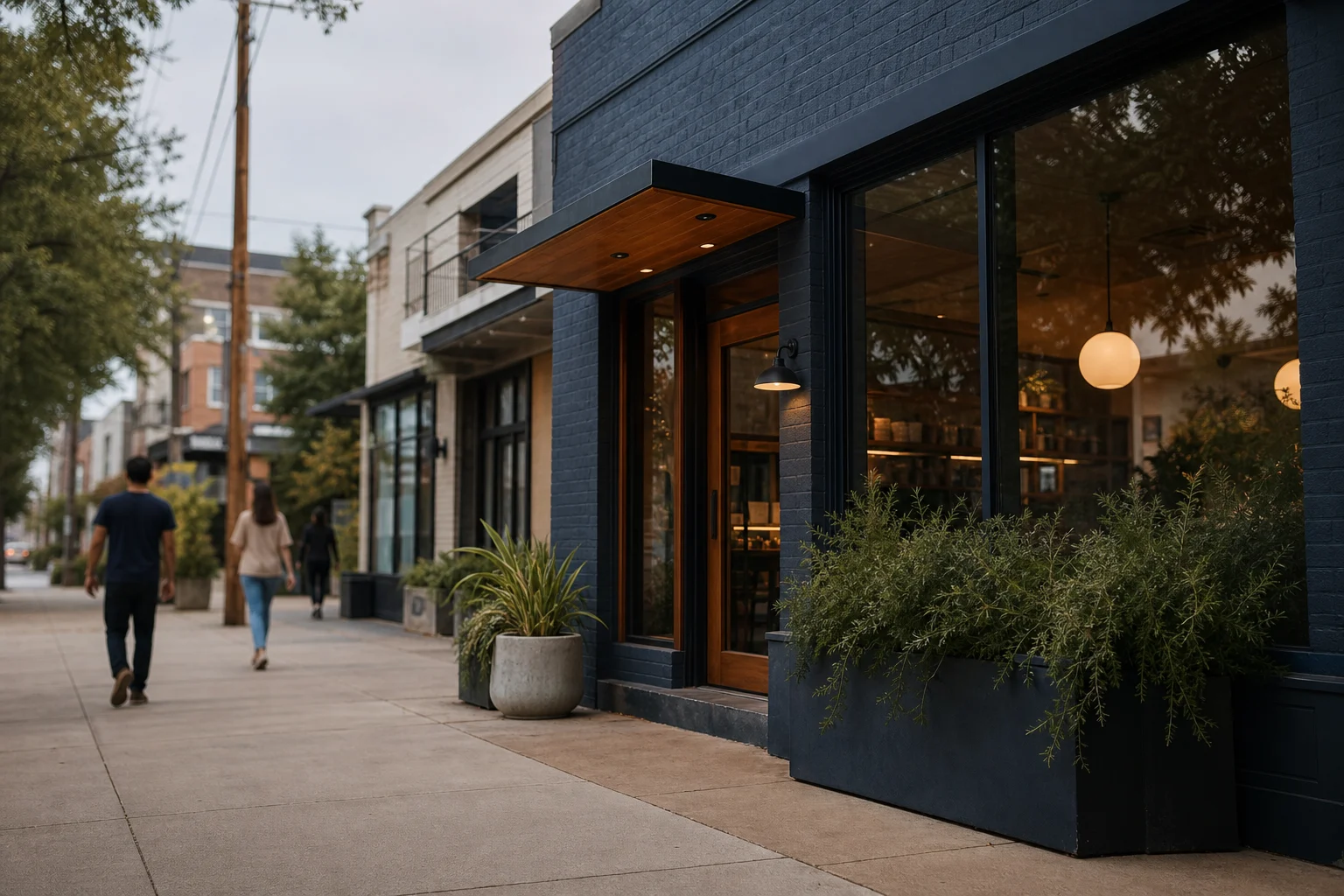
What equipment do you need to open a nail salon in Boston?
The core equipment for a nail salon includes stations, manicure tables, pedicure chairs, drying stations, and sterilization equipment. Beyond these basics, you'll need proper ventilation systems, comfortable seating for clients, and storage solutions. The specific equipment mix depends on your salon's concept and target clientele. In Boston's competitive market, having the right equipment can differentiate your business from competitors like AR Nail Bar & Lounge in Assembly Row or Cindy's Nails & Spa in East Boston.
Buildout cost categories
Plumbing and electrical
Plumbing and electrical work represent significant portions of your buildout budget. Nail salons require specialized plumbing for pedicure stations and proper electrical setups for lighting, ventilation, and equipment. Boston's older buildings may need substantial upgrades to meet current codes. The rent bands in neighborhoods like Quincy Center ($26-$150/sqft/yr NNN) and Wellesley ($26-$150/sqft/yr NNN) reflect the varying conditions of existing spaces that may need extensive infrastructure work.
HVAC and ventilation
Proper ventilation is non-negotiable for a nail salon. Boston's climate and building codes require specific ventilation systems to handle chemical fumes. This includes exhaust systems, air filtration, and climate control. The investment in HVAC and ventilation systems is critical for both customer comfort and regulatory compliance. In neighborhoods like East Boston, where Cindy's Nails & Spa operates, proper ventilation is essential given the area's mix of residential and commercial spaces.
Flooring and finishes
Flooring choices impact both safety and aesthetics. Non-slip, easy-to-clean flooring is essential in a nail salon environment. Finishes should be durable yet appealing to create the right atmosphere. The rent bands in Boston neighborhoods like Hyde Park ($26-$150/sqft/yr NNN) and Assembly Row ($26-$150/sqft/yr NNN) suggest that higher-end finishes may be expected in certain areas, affecting your buildout decisions.
Permits-driven items
Boston's permitting process for nail salons involves health department approvals, building code compliance, and potentially specialized permits for certain equipment. These requirements can add time and cost to your buildout. You'll need to factor in inspections and potential modifications to meet local regulations. The permitting process varies by neighborhood, with areas like Wellesley having different requirements than East Boston.
Furniture and signage
Furniture selection balances functionality and brand identity. Comfortable client seating, efficient technician workstations, and strategic storage solutions are essential. Signage must comply with local regulations while effectively attracting customers. In competitive areas like Assembly Row, where AR Nail Bar & Lounge and Bliss Nails Assembly Row operate, distinctive yet professional furniture and signage can help your salon stand out.
Equipment line items to validate in Boston
When planning your equipment purchases, consider the specific needs of Boston's market. The equipment should support the services you plan to offer while fitting within your space constraints. Boston's diverse neighborhoods have different client expectations - from the upscale clientele in Wellesley to the more casual atmosphere in East Boston. Equipment choices should align with these local preferences and the rent bands of your target location.
| Equipment Category | Key Considerations for Boston Market | Local Market Examples |
|---|---|---|
| Manicure Stations | Space efficiency, client comfort | AR Nail Bar & Lounge uses compact yet comfortable stations |
| Pedicure Chairs | Hygiene features, client experience | Cindy's Nails & Spa prioritizes easy-to-clean designs |
| Ventilation Systems | Code compliance, noise levels | Critical in older buildings common in Boston neighborhoods |
| Storage Solutions | Space optimization, accessibility | Essential in smaller Boston salon spaces |
| Client Seating | Comfort, aesthetic alignment | Varies by neighborhood - upscale in Wellesley, casual in East Boston |
How established operators in Boston configure their kitchens
Boston's established nail salons have developed specific equipment configurations that work for their locations. AR Nail Bar & Lounge in Assembly Row focuses on efficient station layouts to maximize customer flow, while Beauti Nail Bar in Wellesley emphasizes comfortable waiting areas. These operators have learned to balance equipment needs with the constraints of Boston's rent bands and space availability. Their configurations reflect an understanding of local client preferences and the practical realities of operating in neighborhoods with rent bands ranging from $26-$150/sqft/yr NNN.
Used vs. new vs. lease
Equipment decisions involve trade-offs between cost, quality, and flexibility. Used equipment can reduce upfront costs but may require more maintenance. New equipment offers reliability and warranty protection. Leasing provides flexibility but may be more expensive over time. Boston's competitive market means you need equipment that performs consistently while fitting within your budget constraints. The rent bands in neighborhoods like Quincy Center ($26-$150/sqft/yr NNN) and Hyde Park ($26-$150/sqft/yr NNN) influence these decisions, as higher rent costs may limit equipment budgets.
Buildout timeline
The buildout timeline for a Boston nail salon depends on several factors, including permitting, contractor availability, and equipment delivery times. Boston's permitting process can add significant time to your timeline, especially in neighborhoods with older buildings or stricter regulations. Equipment delivery times vary by supplier and may be affected by supply chain issues common in the current market. Planning for potential delays is essential, particularly when coordinating with contractors and suppliers in a busy market like Boston.
Common buildout overruns
Several factors commonly lead to buildout cost overruns in Boston nail salons. Unexpected structural issues in older buildings, particularly in neighborhoods like East Boston, can increase costs. Permitting delays may require extended contractor time, adding to expenses. Equipment delivery issues or last-minute changes to specifications can also impact your budget. Understanding these potential pitfalls and building contingency into your planning is crucial for staying on track in Boston's competitive market.
FAQ
What equipment do I need to open a nail salon in Boston?
The essential equipment includes manicure stations, pedicure chairs, drying stations, sterilization equipment, proper ventilation systems, comfortable client seating, and storage solutions. The specific mix depends on your salon concept and the neighborhood where you're located. Boston's diverse neighborhoods have different client expectations, so equipment choices should align with local preferences and the rent bands of your target location.
How do Boston's rent bands affect equipment budgets?
Boston's rent bands range from $26-$150/sqft/yr NNN across different neighborhoods. Higher rent areas like Quincy Center may require more efficient space utilization, affecting equipment choices. In neighborhoods with higher rent bands, you may need to prioritize multi-functional equipment or compact designs to maximize your space while staying within budget constraints.
What are the biggest equipment considerations for Boston nail salons?
The most important considerations include proper ventilation for health and safety compliance, equipment that fits your space efficiently, and choices that align with local client expectations. Boston's climate and building codes also impact equipment decisions, particularly regarding ventilation and electrical requirements. The competitive market means equipment should support a professional image while being cost-effective.
Last reviewed: 2026-05-30
Sources: U.S. Census Bureau ACS, LEHD LODES, Google Places, OpenStreetMap, Locavisor neighborhood scoring.
Methodology: Locavisor scores neighborhoods across demand, competition fit, rent fit, accessibility, and customer match. Scores reflect a snapshot of recent data and should be combined with on-the-ground research before lease decisions.
Disclaimer: This article provides informational content only and does not constitute legal, financial, accounting, or real-estate advice. Verify lease terms, licensing, local regulations, costs, and professional requirements with qualified local professionals before making business decisions.
Free preview shows top 3 neighborhoods. Full $9.99 report covers all 10 areas with personalized scoring + 90-day check-ins.
Informational only. Verify lease, licensing, local regulations, costs, and professional requirements with qualified local professionals.