Washington, DC · nail salon
Nail salon equipment costs Washington
Planning a nail salon in Washington requires careful consideration of equipment costs and buildout planning. The right equipment choices impact both your initial investment and long-term operational efficiency. Locavisor's neighborhood scoring identifies Chevy Chase DC as the best area (7.2/10) for a quality-focused nail salon targeting gaps in Washington's upscale office-residential corridor.
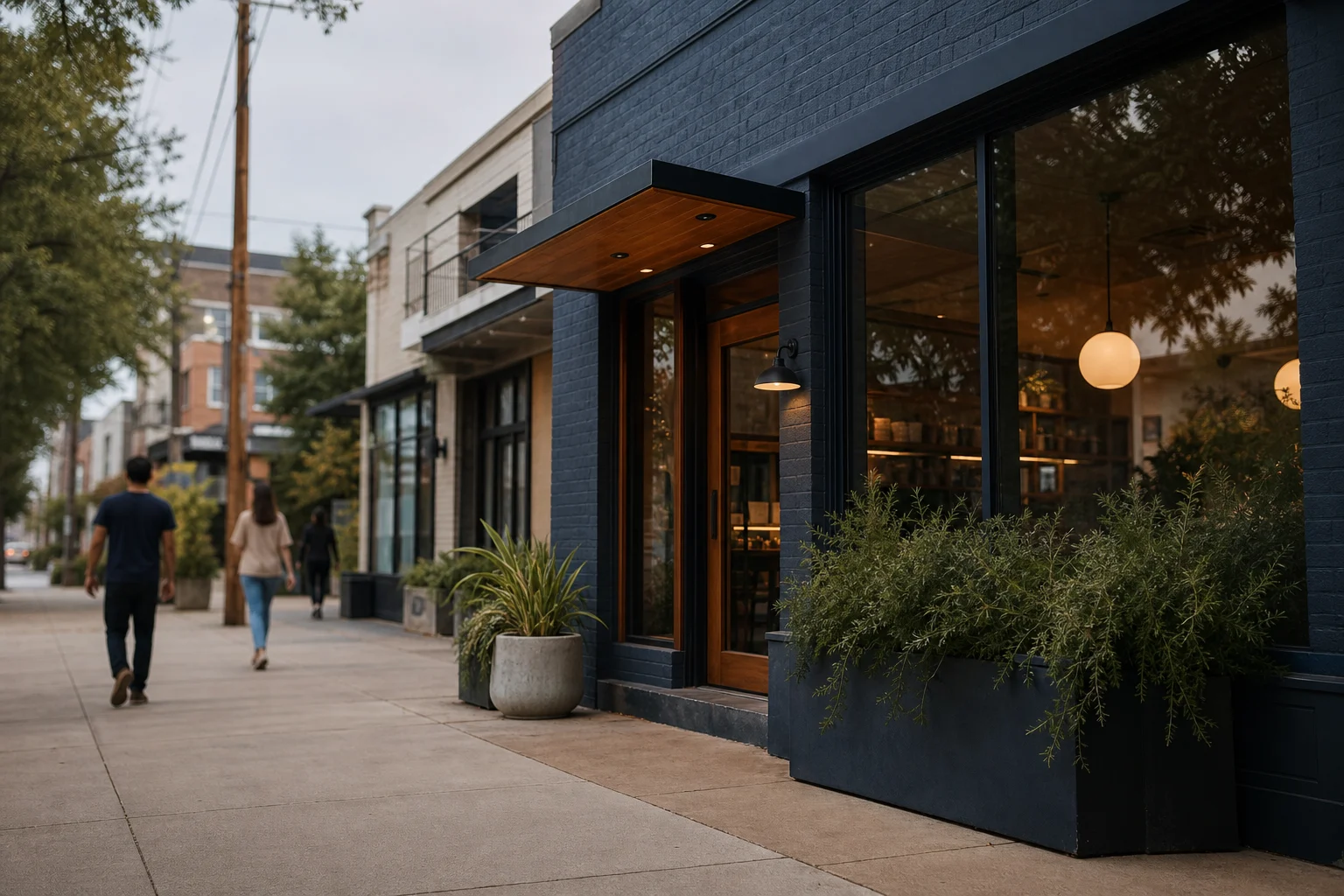
Equipment categories by launch format
Equipment needs vary significantly based on your salon's format and positioning. Full-service nail salons require comprehensive stations for manicures, pedicures, and specialized treatments. Basic setups focus on core services with minimal equipment. Mobile nail salons operate with portable equipment, reducing initial investment but limiting service capacity. The market temperature in Washington is promising with medium competition density, allowing new entrants to find their niche. Rent levels are low compared to other major markets, which helps offset equipment costs over time.
Buildout assumptions that change the budget
Buildout requirements differ dramatically between new construction and second-generation spaces. New spaces often require plumbing, electrical work, and ventilation systems specifically designed for nail salon operations. Second-generation spaces may have existing infrastructure but might need updates to meet current health codes. In Chevy Chase DC, the Connecticut Ave corridor offers upscale residential density plus office anchors like Chevy Chase Pavilion and Friendship Heights Metro. This positioning supports premium pricing but requires quality equipment that matches the neighborhood's expectations. The rent level in Washington is low, which provides more flexibility in equipment budgets compared to higher-rent areas.
New vs used equipment tradeoffs
New equipment offers the latest technology, warranties, and energy efficiency. Used equipment reduces initial costs but may come with higher maintenance expenses and shorter lifespans. In H Street NE, a high-walkability corridor with strong evening and weekend energy, five nail salons already operate within 700m. This competition density means new entrants must differentiate through either superior equipment or exceptional service. The area's streetcar and Union Station connectivity bring steady foot traffic, justifying investment in quality equipment that can handle high-volume operations. Tenleytown / Friendship Heights combines a city-leading office index with upscale residential density and strong transit via the Red Line. The area's affluence supports premium pricing, but rent runs $65-95/sqft NNN, which will pressure equipment budgets for medium-budget operators.
What to inspect in a second-generation space
When evaluating existing nail salon spaces, focus on the condition of plumbing and electrical systems. Ventilation systems must meet current health codes for chemical fumes. Floor condition matters for both aesthetics and equipment stability. In Chevy Chase DC, the strong competitionFit and rentFit scores make it an attractive location for quality-focused nail salons. The area's upscale residential density plus office anchors create a client base willing to pay for premium services. When inspecting second-generation spaces, verify that existing electrical systems can handle your equipment load without costly upgrades. Plumbing connections for pedicure stations must be properly positioned and in good working condition to avoid expensive modifications.
FAQ
What equipment do I need for A Nail Salon in Washington?
A nail salon in Washington requires several categories of equipment. Manicure stations with built-in storage and lighting are essential for hand and nail services. Pedicure stations with plumbing and comfortable seating form the foundation of foot care services. Sterilization equipment including autoclaves and UV sanitizers are mandatory for health compliance. Ventilation systems help control chemical fumes from nail products. Reception and waiting area furniture create the client's first impression. Storage solutions for products and tools maintain an organized workspace. Each equipment category should align with your service offerings and target market expectations.
How does location affect equipment needs?
Location significantly impacts equipment requirements based on client expectations and operational demands. In upscale areas like Chevy Chase DC, premium equipment that matches the neighborhood's affluence is necessary. High-traffic areas like H Street NE require durable equipment that can withstand frequent use. Transit-connected neighborhoods like Tenleytown / Friendship Heights benefit from equipment that allows efficient service during peak hours. The competition density in your chosen area also influences equipment decisions—more competitive markets may require higher-end equipment to differentiate your services.
What buildout factors should I consider?
Buildout planning requires attention to several critical factors. Plumbing placement affects both equipment installation and future flexibility. Electrical capacity must support all equipment simultaneously without overloading circuits. Ventilation systems need proper design to handle chemical fumes effectively. Flooring materials should be durable, water-resistant, and easy to clean. Lighting impacts both client experience and technician visibility. Storage solutions should maximize space efficiency while maintaining accessibility. Each buildout decision should balance immediate needs with future expansion possibilities.
How can I reduce equipment costs?
Several strategies can help manage equipment expenses. Prioritizing essential equipment first allows for phased investment. Considering used equipment for non-critical items reduces initial outlay. Negotiating package deals with suppliers may lower overall costs. Leasing equipment instead of purchasing improves cash flow. Multi-functional equipment that serves multiple purposes reduces the total number of items needed. Grouping similar services together minimizes specialized equipment requirements. Each cost-saving measure should be evaluated against potential impacts on service quality and operational efficiency.
What should I look for in equipment warranties?
Equipment warranties should cover critical components and reasonable timeframes. Look for warranties that include parts, labor, and replacement costs. Consider the manufacturer's reputation for honoring warranty claims. Extended warranties may provide value for high-use equipment. Understand the warranty claim process and expected resolution times. Check for coverage of normal wear versus damage from misuse. Warranty terms should align with your equipment usage patterns and maintenance capabilities. Equipment with strong warranties reduces long-term operational risks and unexpected expenses.
Last reviewed: 2026-05-08
Sources: U.S. Census Bureau ACS, LEHD LODES, Google Places, OpenStreetMap, Locavisor neighborhood scoring.
Methodology: Locavisor scores neighborhoods across demand, competition fit, rent fit, accessibility, and customer match. Scores reflect a snapshot of recent data and should be combined with on-the-ground research before lease decisions.
Disclaimer: This article provides informational content only and does not constitute legal, financial, accounting, or real-estate advice. Verify lease terms, licensing, local regulations, costs, and professional requirements with qualified local professionals before making business decisions.
Free preview shows top 3 neighborhoods. Full $9.99 report covers all 10 areas with personalized scoring + 90-day check-ins.
Informational only. Verify lease, licensing, local regulations, costs, and professional requirements with qualified local professionals.