San Jose, CA · pet grooming salon
Pet grooming salon equipment costs San Jose
Planning a pet grooming salon in San Jose requires careful consideration of equipment costs and buildout requirements. The pet grooming salon equipment costs San Jose entrepreneurs face vary significantly based on location, format, and quality choices. Understanding these variables helps founders allocate capital effectively while maintaining service quality.
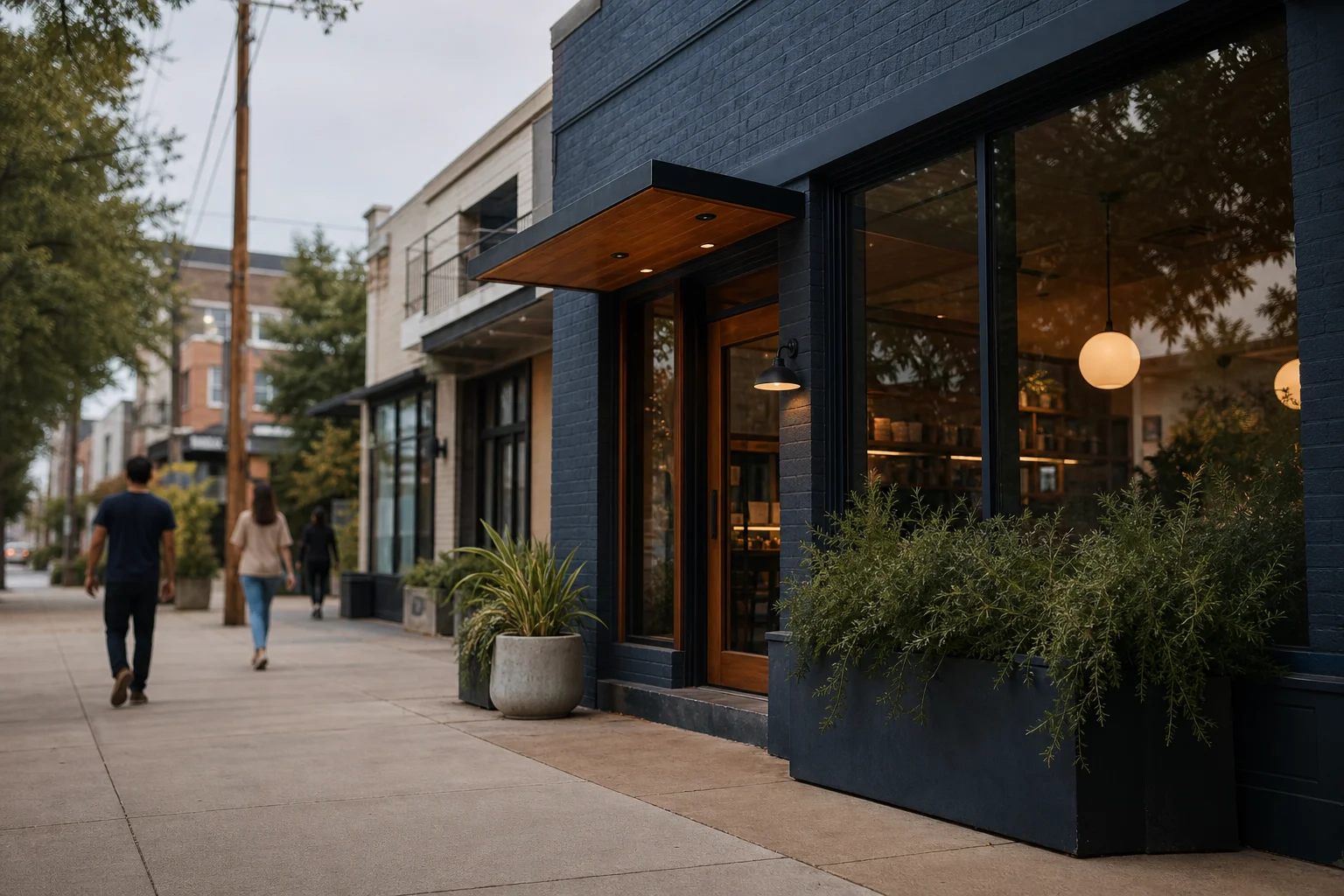
Equipment categories by launch format
Equipment needs differ based on your salon's operational format. Mobile units require different equipment than brick-and-mortar locations. In-store salons need more substantial plumbing and electrical infrastructure. Each format impacts your initial equipment budget differently.
Basic grooming stations form the foundation of any salon. These include grooming tables, restraints, and dryers. Professional-grade tables typically cost more but last longer and improve efficiency. Restraint systems ensure safety for both pets and groomers. Dryers vary from stand models to cage systems, each with different space requirements.
Washing stations represent another major equipment category. These include bathing tubs, water heaters, and dryers. Commercial-grade tubs often have non-slip surfaces and elevated designs. Water heaters must deliver consistent temperatures for multiple back-to-back appointments. High-velocity dryers speed up the drying process but require proper ventilation.
Clipping and trimming equipment includes clippers, shears, and grooming tools. Professional clippers handle thick coats better than consumer models. Shears come in various sizes for different coat types. Tool sterilization equipment is essential for maintaining hygiene standards.
Retail displays and shelving for selling pet products can generate additional revenue. These need to complement your salon's aesthetic while maximizing product visibility. Point-of-sale systems track sales and manage client information efficiently.
Buildout assumptions that change the budget
Buildout requirements significantly impact your overall budget. San Jose's different neighborhoods present varying cost structures. Santana Row / Valley Fair (6.6/10) ranks #1 on sheer daytime density and retail gravity — strong lunch traffic from tech offices and mall shoppers. But this is a premium retail corridor where pet grooming is an unusual tenant type. Expect roughly $45-70/sqft NNN.
Downtown San Jose (6.5/10) offers strong daytime density from SJSU, Adobe, and Diridon commuters, plus the only direct pet-grooming competitor in the dataset (Art Pet Mobile Grooming, 5★ but only 3 reviews). Rent runs roughly $45-70/sqft NNN — similar to Santana Row but with better accessibility scores. The family index is below-average, meaning fewer resident dog-owning households within walking distance.
Willow Glen (6.4/10)'s Lincoln Ave strip is the strongest family-oriented option in this set — walkable village with indie boutiques, nail salons, bakeries, and one existing pet groomer (Charm's Grooming, 4.9★, 41 reviews). Rent runs roughly $30-50/sqft NNN, which is more manageable. The family index is moderate but the residential density is strong — ≈8,000 potential repeat households within 800m.
Plumbing requirements vary by location. Some spaces already have appropriate hookups for bathing stations. Others require extensive plumbing modifications. Electrical systems must support multiple dryers and clippers simultaneously without tripping breakers. Proper ventilation systems are crucial for drying areas to prevent moisture buildup.
Flooring choices impact both aesthetics and functionality. Non-slip, waterproof surfaces prevent accidents and simplify cleanup. Some premium locations may require specific flooring materials to match their design standards. These requirements can significantly increase buildout costs.
Storage solutions affect operational efficiency. Proper storage for equipment, supplies, and retail products keeps your workspace organized. Some locations offer built-in storage that reduces additional costs. Others require custom cabinetry or shelving installations.
New vs used equipment tradeoffs
New equipment offers reliability and warranty protection. Modern grooming tools often feature improved designs that enhance efficiency. Energy-efficient models reduce long-term operating costs. However, new equipment represents a significant upfront investment.
Used equipment can substantially reduce initial costs. Many groomers sell quality equipment when retiring or upgrading. Well-maintained used equipment can provide years of reliable service. The savings from used purchases can fund other aspects of your business.
Equipment condition varies in the used market. Some items may have hidden issues that surface after purchase. Professional inspection before purchase helps identify potential problems. Reputable sellers often offer limited warranties on used equipment.
Technology integration differs between new and used models. Newer equipment may connect to management software for better client tracking. Some used equipment requires manual operation or lacks modern features. Consider how technology needs align with your business model.
Maintenance costs should factor into your decision. New equipment typically has fewer immediate maintenance needs. Used equipment may require more frequent repairs or part replacements. Budget for potential maintenance regardless of equipment age.
What to inspect in a second-generation space
Existing grooming salons offer potential cost savings on buildout. However, thorough inspection prevents unexpected expenses. The previous tenant's equipment may not meet your standards or business needs.
Plumbing infrastructure requires special attention. Check water pressure and drainage capacity. Verify that pipes can handle multiple simultaneous uses. Water heater capacity should match your anticipated appointment volume.
Electrical systems must support your equipment load. Test circuits under simulated operational conditions. Ensure proper grounding for all electrical equipment. Outdated wiring may pose safety hazards or limit expansion options.
Floor condition impacts both aesthetics and functionality. Look for water damage or wear in bathing areas. Check if existing flooring meets health and safety standards. Some materials may need replacement regardless of their appearance.
Storage and workspace layout affects operational efficiency. Evaluate whether existing configurations support your workflow. Consider how modifications might improve space utilization. Some layouts may require significant reconfiguration.
Ventilation systems prevent moisture and odor buildup. Test airflow in grooming and drying areas. Check if existing systems meet health code requirements. Proper ventilation reduces health risks and improves air quality.
FAQ
What equipment do I need for A Pet Grooming Salon in San Jose?
Basic equipment needs include grooming tables, restraints, dryers, bathing stations, clippers, shears, and sterilization tools. Additional equipment depends on your salon's size and services offered. Retail displays and point-of-sale systems may also be necessary.
How does location affect equipment costs in San Jose?
Premium locations like Santana Row / Valley Fair have higher rent costs that impact your overall budget. These areas may also require more aesthetically pleasing equipment to match their standards. Family-oriented neighborhoods like Willow Glen may prioritize practical equipment over appearance.
What's the difference between mobile and in-store equipment requirements?
Mobile units require secure, transportable equipment with power options. In-store salons benefit from larger, more permanent installations. Plumbing and electrical needs differ significantly between formats. Mobile setups often need specialized equipment to function without permanent connections.
How can I reduce equipment costs without sacrificing quality?
Consider purchasing high-quality used equipment from reputable sellers. Prioritize essential items first and expand as revenue grows. Bundle purchases from suppliers for potential discounts. Lease options may spread costs over time while maintaining quality standards.
What buildout factors should I consider when budgeting?
Plumbing modifications, electrical upgrades, flooring installation, ventilation systems, and storage solutions all impact buildout costs. Each location presents unique challenges based on existing infrastructure. Thorough inspection before signing a lease prevents unexpected expenses.
Last reviewed: 2026-05-08
Sources: U.S. Census Bureau ACS, LEHD LODES, Google Places, OpenStreetMap, Locavisor neighborhood scoring.
Methodology: Locavisor scores neighborhoods across demand, competition fit, rent fit, accessibility, and customer match. Scores reflect a snapshot of recent data and should be combined with on-the-ground research before lease decisions.
Disclaimer: This article provides informational content only and does not constitute legal, financial, accounting, or real-estate advice. Verify lease terms, licensing, local regulations, costs, and professional requirements with qualified local professionals before making business decisions.
Free preview shows top 3 neighborhoods. Full $9.99 report covers all 10 areas with personalized scoring + 90-day check-ins.
Informational only. Verify lease, licensing, local regulations, costs, and professional requirements with qualified local professionals.