Boston, MA · ramen and pho shop
Ramen and pho shop equipment costs Boston
For Boston entrepreneurs planning a ramen and pho shop, equipment costs represent one of the largest capital investments in your buildout. The right equipment choices depend on your format, location, and budget constraints. Locavisor neighborhood scoring shows Quincy Center / North Quincy as the best fit for a ramen and pho shop in Boston, with an overall score of 6.5/10.
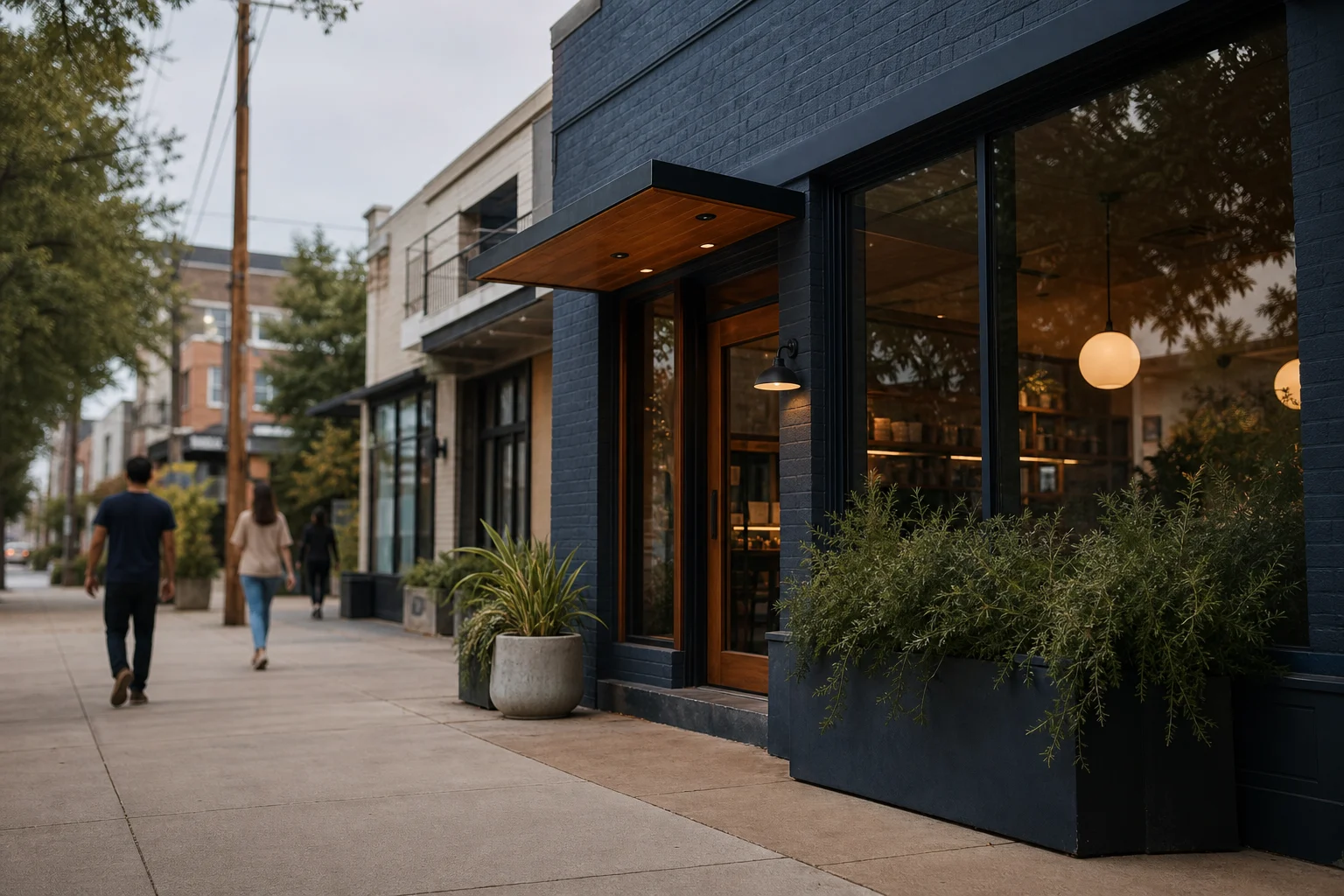
Equipment categories by launch format
Your ramen and pho shop equipment needs will vary significantly based on your chosen format. A quick-service operation requires different equipment than a full-service restaurant with table service. The core equipment categories remain consistent, but the scale and specifications differ.
Kitchen equipment forms the backbone of any ramen and pho shop. This includes ranges, fryers, steamers, and specialized noodle cookers. For ramen, you'll need equipment to prepare broth, cook noodles, and prepare toppings. Pho requires specialized equipment for preparing beef bones, making rice noodles, and preparing fresh herbs.
Ventilation systems are critical for any kitchen serving Asian cuisine. The cooking methods used in ramen and pho shops generate significant smoke and steam. A properly designed hood system meets code requirements and improves kitchen efficiency.
Refrigeration needs depend on your menu complexity. A basic ramen shop might need only reach-in coolers, while a full-service pho restaurant requires walk-in coolers and freezers. Consider your storage requirements for ingredients like fresh herbs, proteins, and prepared broths.
Service equipment varies by format. Quick-service operations focus on counter service areas, while full-service restaurants need table settings, serving stations, and point-of-sale systems optimized for table service.
Buildout assumptions that change the budget
Buildout costs vary dramatically based on your space's condition and your chosen aesthetic. A second-generation space with existing plumbing and electrical systems costs less to renovate than a raw shell. Your equipment budget must account for necessary buildout work.
Quincy Center / North Quincy offers rent levels at roughly $30-50/sqft NNN, which affects your overall budget. Higher rent areas like Cambridge (Kendall Square / MIT) with rent at roughly $90-140/sqft NNN require more efficient space utilization to maintain profitability.
Kitchen layout impacts equipment costs. A poorly designed kitchen requires more expensive equipment to compensate for workflow inefficiencies. Professional kitchen planning optimizes space and reduces equipment needs.
Utility requirements vary by equipment type. High-volume operations need upgraded electrical and gas services. These utility upgrades add significant costs to your buildout budget.
New vs used equipment tradeoffs
New equipment offers reliability and warranty protection but comes with a higher upfront cost. Used equipment reduces initial capital outlay but carries higher maintenance risks and shorter useful life.
Cambridge (Harvard Square) presents a competitive environment with Hokkaido Ramen Santouka (4.5★, 2,970 reviews) already established 476m away. In this competitive landscape, reliable equipment becomes even more critical to maintain consistent quality.
Equipment financing options spread costs over time but increase total expenditure. Cash purchases reduce long-term costs but require significant upfront capital. Your financing strategy should align with your overall business plan and cash flow projections.
Maintenance costs vary by equipment age and type. Newer equipment typically has lower maintenance requirements but may have proprietary parts that are expensive to replace. Used equipment might require more frequent maintenance but uses common parts that are readily available.
What to inspect in a second-generation space
When evaluating a second-generation space, focus on the condition of existing infrastructure. Plumbing and electrical systems must support your equipment requirements without expensive upgrades.
Ventilation systems in existing spaces may need modification to accommodate your cooking methods. Older hood systems might not meet current code requirements or might be insufficient for your volume needs.
Floor conditions impact equipment installation and longevity. Uneven floors can cause equipment instability and premature wear. Consider the cost of floor leveling when evaluating a space.
Storage space availability affects your equipment needs. A space with ample existing storage reduces your refrigeration and shelving requirements. Conversely, a space with limited storage necessitates more equipment to maintain adequate inventory levels.
Utility capacity determines your equipment options. Verify that gas, electrical, and water services can support your planned equipment load without expensive upgrades.
FAQ
What equipment do I need for A Ramen and Pho Shop in Boston?
Your ramen and pho shop requires several categories of equipment. Kitchen essentials include ranges, fryers, steamers, and specialized noodle cookers. Ventilation systems are critical for smoke and steam management. Refrigeration needs vary by menu complexity, from reach-in coolers for basic operations to walk-in units for full-service restaurants. Service equipment depends on your format, with quick-service operations focusing on counter service areas and full-service restaurants requiring table settings and serving stations. Your specific equipment needs will depend on your chosen format, location, and menu complexity.
Last reviewed: 2026-05-08
Sources: U.S. Census Bureau ACS, LEHD LODES, Google Places, OpenStreetMap, Locavisor neighborhood scoring.
Methodology: Locavisor scores neighborhoods across demand, competition fit, rent fit, accessibility, and customer match. Scores reflect a snapshot of recent data and should be combined with on-the-ground research before lease decisions.
Disclaimer: This article provides informational content only and does not constitute legal, financial, accounting, or real-estate advice. Verify lease terms, licensing, local regulations, costs, and professional requirements with qualified local professionals before making business decisions.
Free preview shows top 3 neighborhoods. Full $9.99 report covers all 10 areas with personalized scoring + 90-day check-ins.
Informational only. Verify lease, licensing, local regulations, costs, and professional requirements with qualified local professionals.