Columbus, OH · ramen and pho shop
Ramen and pho shop equipment costs Columbus
Planning a ramen and pho shop in Columbus requires careful consideration of equipment costs and buildout planning. The right equipment setup impacts both your initial investment and ongoing operational efficiency. Columbus offers several potential locations with different characteristics that affect equipment needs and budget considerations.
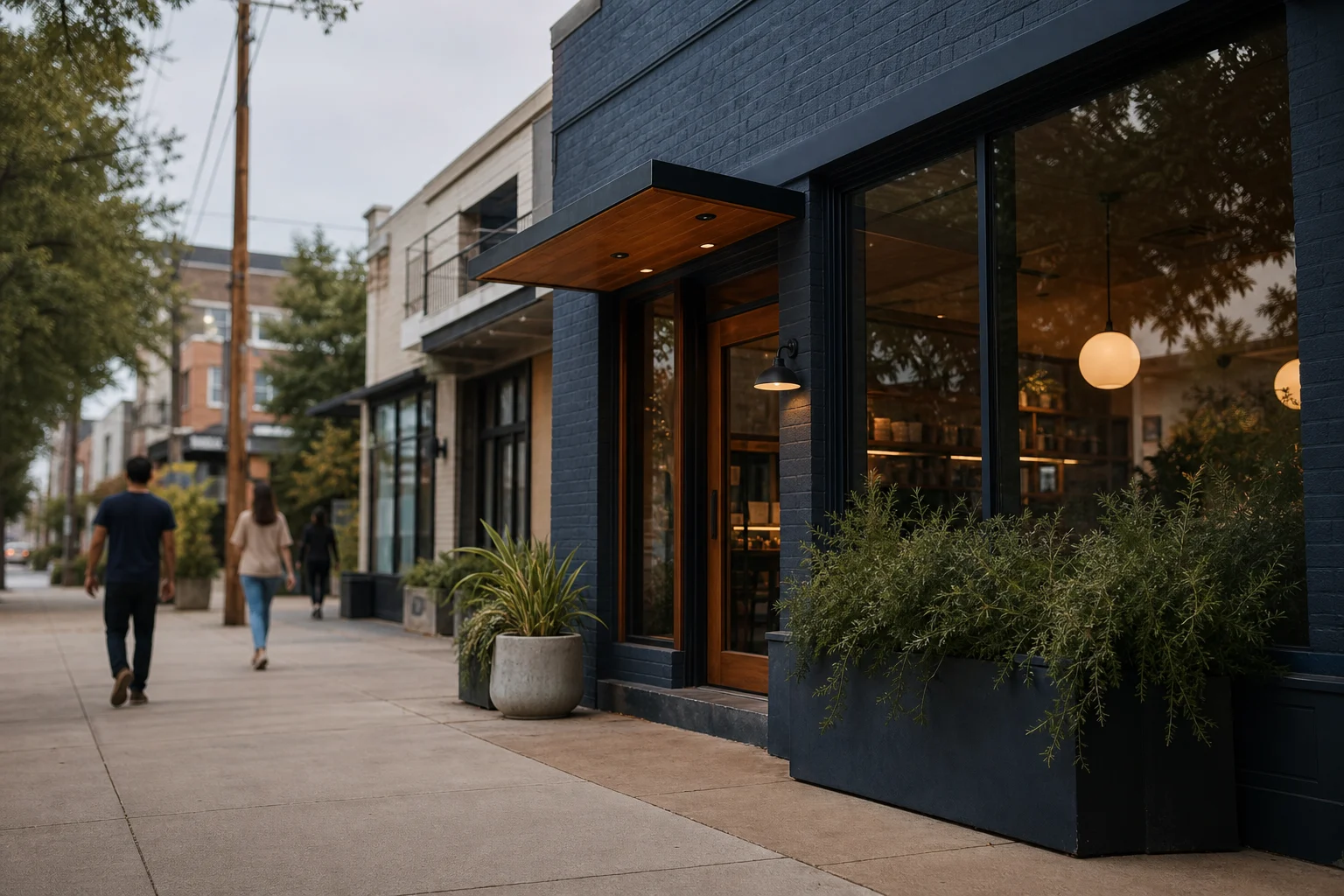
Equipment categories by launch format
Your ramen and pho shop's equipment needs will vary significantly based on your chosen format and location. The three primary areas in Columbus—Easton, OSU Campus / University District, and Bexley—each present different operational requirements that influence equipment planning.
Easton's lunch-first positioning demands equipment optimized for high-volume daytime service. You'll need robust noodle preparation stations, efficient broth simmering systems, and quick-service components to handle the office lunch rush. The medium rent level ($45-70/sqft NNN) suggests a moderate equipment budget, but the high daytime traffic justifies investing in durable, high-capacity equipment.
OSU Campus / University District requires equipment that can handle both student schedules and the gap left by Zundo Ramen's limited hours. With rent at $65-95/sqft NNN, equipment costs become a significant portion of your startup budget. You'll need versatile systems that can transition between lunch, dinner, and late-night service efficiently. The absence of direct competition except for Zundo Ramen means you can focus on quality equipment rather than matching a specific competitor's setup.
Bexley's residential-anchored location suggests a different equipment approach. With rent at $30-50/sqft NNN, you have more budget flexibility for specialized equipment. Focus on creating an authentic experience with traditional ramen and pho preparation methods. The dinner-and-weekend orientation means equipment can be optimized for quality rather than pure speed, though weekend volume still requires adequate capacity.
Buildout assumptions that change the budget
Buildout requirements vary dramatically across Columbus's top three areas, directly impacting your equipment budget. Easton's medium rent level ($45-70/sqft NNN) suggests standard commercial kitchen buildout costs, but the high daytime traffic may require additional ventilation and grease management systems to handle continuous operation.
OSU Campus / University District's premium rent ($65-95/sqft NNN) creates budget pressure that may force equipment tradeoffs. You might need to prioritize essential equipment while deferring non-essential items. The student population's late-night hours could influence decisions about specialized equipment for extended service periods.
Bexley's more manageable rent ($30-50/sqft NNN) provides greater flexibility for buildout and equipment selection. The residential focus allows for potentially lower ventilation requirements compared to high-volume locations. However, the below-average daytime worker density means equipment doesn't need to be optimized for maximum throughput during lunch hours.
The mixed market temperature in Columbus suggests that equipment should be adaptable to changing demand patterns. Consider modular equipment systems that can scale operations up or down based on seasonal variations and market response.
New vs used equipment tradeoffs
Equipment sourcing decisions impact your initial investment and long-term operational costs. Columbus's medium competition density means you have some flexibility in choosing between new and used equipment based on your budget constraints and risk tolerance.
Easton's lunch-first concept may justify new equipment investment, as reliability is crucial during high-volume daytime service. The medium rent level provides some budget cushion for quality new equipment that can handle continuous operation. However, the absence of direct competitors means you don't need to match specific equipment standards established by existing players.
OSU Campus / University District's premium rent creates significant pressure to consider used equipment. The student population's price sensitivity means maximizing your initial investment is crucial. Used equipment from closed restaurants could provide cost savings, but you must carefully evaluate the remaining useful life and maintenance history. The presence of Zundo Ramen as a competitor means equipment quality impacts your ability to compete on food quality.
Bexley's lower rent levels provide greater flexibility for new equipment purchases. The residential focus and lack of direct competitors mean you can prioritize equipment that enhances the dining experience rather than simply meeting operational requirements. However, the below-average daytime traffic means equipment doesn't need to be optimized for maximum throughput.
What to inspect in a second-generation space
When considering existing restaurant spaces in Columbus, thorough equipment inspection is crucial to avoid unexpected costs. The mixed market temperature suggests that second-generation spaces may offer opportunities but require careful evaluation.
Easton's medium rent level suggests that existing spaces may have functional but outdated equipment. When inspecting potential locations, verify that existing infrastructure meets health department requirements and can handle the volume of a lunch-first concept. The absence of direct ramen/pho competitors means equipment may need significant modification to support specialized cooking methods.
OSU Campus / University District's premium rent means second-generation spaces likely come with existing equipment that could offset some startup costs. However, student-focused operations may have equipment optimized for different menu items. Verify that existing systems can handle the specific requirements of ramen and pho preparation, especially broth simmering and noodle cooking capabilities.
Bexley's more affordable rent provides greater flexibility for equipment modifications in second-generation spaces. The residential focus means existing equipment may be suitable for dinner service but require upgrades for weekend volume. The lack of direct competitors means you can customize equipment to your specific concept without matching established standards.
Regardless of location, always verify that existing equipment meets current health codes and energy efficiency standards. Outdated equipment may lead to higher operating costs and potential compliance issues.
FAQ
What equipment do I need for A Ramen and Pho Shop in Columbus?
Your ramen and pho shop will require specialized equipment for broth preparation, noodle cooking, and service components. Essential equipment includes large-volume broth simmering systems, noodle preparation stations, specialized cooking equipment for proteins and vegetables, refrigeration for ingredients, and service stations for both dine-in and takeout operations. The specific equipment needs will vary based on your chosen location in Columbus—Easton's lunch-first concept requires high-volume daytime equipment, OSU Campus / University District needs versatile systems for varied service periods, and Bexley's residential focus allows for quality-focused equipment optimized for dinner and weekend service.
How does location impact equipment costs in Columbus?
Location significantly impacts equipment costs through rent levels and operational requirements. Easton's medium rent ($45-70/sqft NNN) suggests moderate equipment budgets but requires high-capacity systems for lunch service. OSU Campus / University District's premium rent ($65-95/sqft NNN) creates budget pressure that may force equipment tradeoffs, while Bexley's lower rent ($30-50/sqft NNN) provides greater flexibility for specialized equipment. Each location's market characteristics—Easton's daytime office density, OSU's student population, and Bexley's residential focus—influence equipment optimization priorities.
Should I buy new or used equipment for my Columbus ramen and pho shop?
The decision between new and used equipment depends on your budget constraints and risk tolerance. Easton's lunch-first concept may justify new equipment investment for reliability during high-volume service. OSU Campus / University District's premium rent creates pressure to consider used equipment to maximize initial investment. Bexley's lower rent levels provide greater flexibility for new equipment purchases. Regardless of location, always evaluate used equipment's remaining useful life and maintenance history to avoid unexpected costs.
What should I look for in a second-generation restaurant space in Columbus?
When inspecting second-generation spaces, verify that existing equipment meets health department requirements and can support ramen and pho preparation methods. Easton spaces may need significant modification for specialized cooking, while OSU spaces may have equipment optimized for different menu items. Bexley spaces may require upgrades for weekend volume. Always check that existing equipment meets current energy efficiency standards to avoid higher operating costs.
How does Columbus's market temperature affect equipment planning?
Columbus's mixed market temperature suggests that equipment should be adaptable to changing demand patterns. Consider modular equipment systems that can scale operations based on seasonal variations and market response. The mixed competition density means you have flexibility in equipment choices, but you should monitor market trends to ensure your equipment remains competitive as the market evolves.
Last reviewed: 2026-05-08
Sources: U.S. Census Bureau ACS, LEHD LODES, Google Places, OpenStreetMap, Locavisor neighborhood scoring.
Methodology: Locavisor scores neighborhoods across demand, competition fit, rent fit, accessibility, and customer match. Scores reflect a snapshot of recent data and should be combined with on-the-ground research before lease decisions.
Disclaimer: This article provides informational content only and does not constitute legal, financial, accounting, or real-estate advice. Verify lease terms, licensing, local regulations, costs, and professional requirements with qualified local professionals before making business decisions.
Free preview shows top 3 neighborhoods. Full $9.99 report covers all 10 areas with personalized scoring + 90-day check-ins.
Informational only. Verify lease, licensing, local regulations, costs, and professional requirements with qualified local professionals.