Detroit, MI · ramen and pho shop
Ramen and pho shop equipment costs Detroit
Opening a ramen and pho shop in Detroit requires careful planning of equipment and buildout costs. The city offers unique opportunities with low rent levels and medium competition density, though market temperature remains mixed. Locavisor neighborhood scoring identifies three promising areas for your ramen and pho shop, each with distinct characteristics that impact equipment planning. 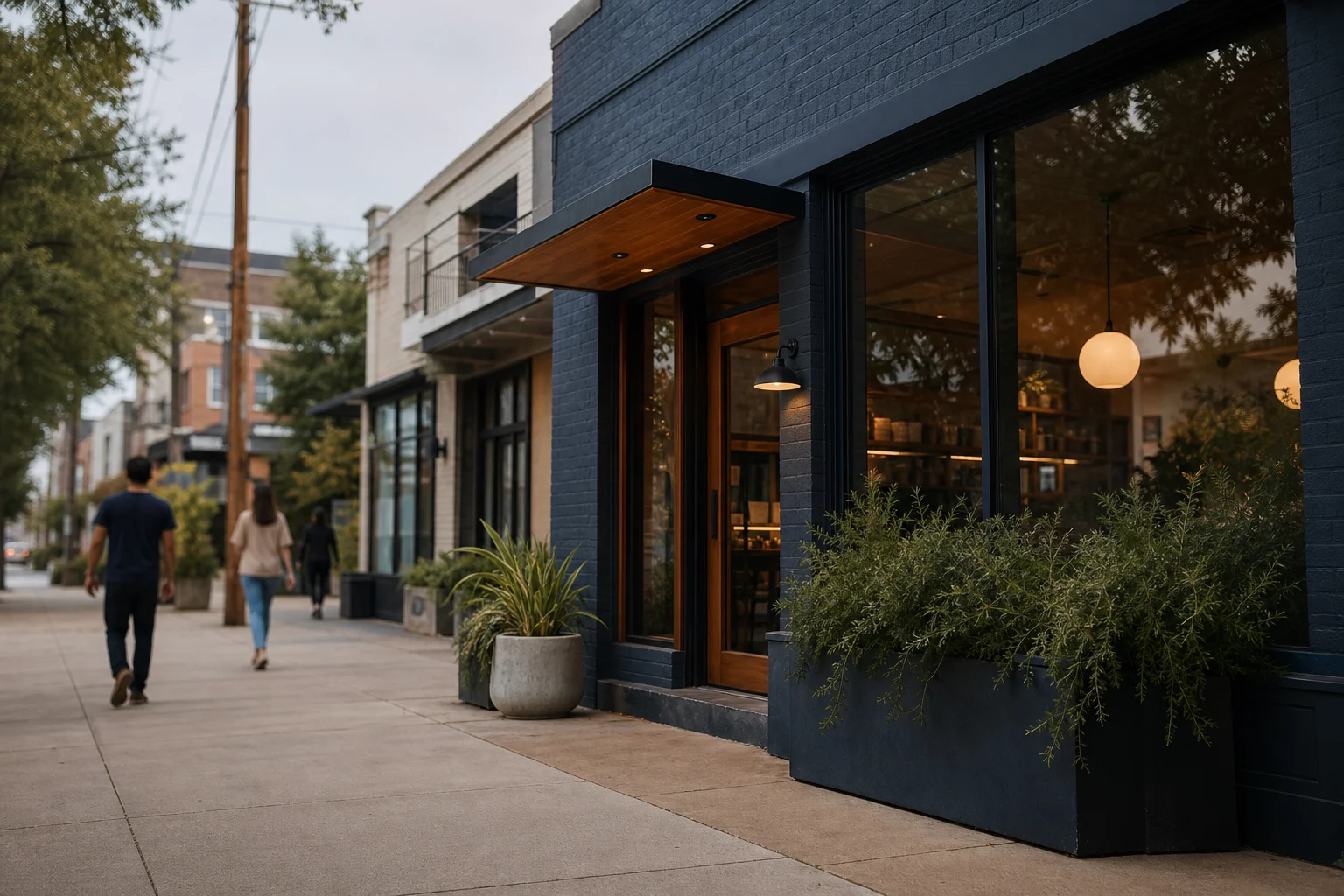
Equipment categories by launch format
Your ramen and pho shop equipment costs in Detroit will vary significantly based on your launch format. The positioning suggests a takeout-first concept works best in Detroit's dense weekday lunch corridor. This format requires different equipment than a dine-in model. You'll need specialized ramen equipment including noodle boilers, broth simmering systems, and ingredient preparation stations. Pho operations require large stock pots for broth, meat slicers, and vegetable preparation tools. The takeout format reduces seating and tableware needs but increases packaging and point-of-sale system requirements.
Buildout assumptions that change the budget
Buildout assumptions directly impact your ramen and pho shop equipment costs in Detroit. Downtown Detroit offers the densest weekday lunch market with zero direct ramen/pho competitors. Expect roughly $30-50/sqft NNN for rent. Lafayette Park sits just east of downtown with strong residential density and a 12-min walk to the core. Corktown has a strong evening bar-and-dining scene but a below-average lunch daypart. All three areas expect similar rent levels of $30-50/sqft NNN. Your buildout budget will be influenced by whether you're constructing a new space or adapting an existing one. Kitchen ventilation systems, plumbing for broth stations, and electrical requirements for cooking equipment represent major buildout considerations that affect your equipment planning.
New vs used equipment tradeoffs
New equipment offers reliability and warranty protection but comes with higher upfront costs. Used equipment can significantly reduce your ramen and pho shop startup costs in Detroit but carries risks of breakdowns and shorter lifespans. The medium competition density in Detroit suggests you might benefit from investing in higher-quality equipment to differentiate your offering. However, the mixed market temperature suggests caution with large capital expenditures. Consider leasing options for expensive items like noodle machines or large refrigeration units. The zero direct competitors in all three top areas presents both opportunity and risk - you're establishing a new concept category, which might justify investing in more durable equipment from the start.
What to inspect in a second-generation space
When evaluating second-generation spaces for your ramen and pho shop in Detroit, specific inspections can prevent costly equipment modifications. Look for existing hood systems that can accommodate your cooking equipment. Verify gas line capacity for broth simmering stations and noodle cookers. Check electrical systems to ensure they can handle the load of multiple cooking appliances simultaneously. The Lafayette Park area's strong office density powers a strong lunch daypart, making equipment capacity during peak hours critical. Corktown's evening bar-and-dining scene suggests different equipment considerations for evening operations. In all areas, verify floor load capacity for heavy equipment like broth simmering tanks and walk-in refrigerators. The absence of direct competitors in these areas means you're creating category expectations with your equipment choices and kitchen layout.
FAQ
What equipment do I need for A Ramen and Pho Shop in Detroit? Your ramen and pho shop will require specialized equipment including noodle boilers, broth simmering systems, meat slicers, large stock pots, vegetable preparation stations, and appropriate ventilation systems. The exact equipment needs depend on your menu size and service format.
How does location affect equipment planning for a ramen and pho shop in Detroit? Downtown Detroit's dense weekday lunch market favors efficient, high-volume equipment. Lafayette Park's residential base requires equipment that handles both lunch and dinner rushes. Corktown's evening scene prioritizes equipment that supports later service hours.
Should I buy new or used equipment for my Detroit ramen and pho shop? The mixed market temperature in Detroit suggests a balanced approach. Invest in new critical equipment like broth simmering systems and noodle machines. Consider used items for less critical components like prep tables and storage units to control startup costs.
What buildout considerations impact equipment costs most? Kitchen ventilation systems, plumbing for broth stations, and electrical capacity represent the largest buildout considerations affecting equipment costs. These elements often require professional installation and can significantly impact your budget.
How does the lack of direct competitors in Detroit's top areas affect equipment planning? The zero direct competitors in Downtown Detroit, Lafayette Park, and Corktown means you're establishing category expectations. This opportunity allows you to define operational standards through your equipment choices, but also requires careful planning to meet customer expectations without existing benchmarks.
Last reviewed: 2026-05-08
Sources: U.S. Census Bureau ACS, LEHD LODES, Google Places, OpenStreetMap, Locavisor neighborhood scoring.
Methodology: Locavisor scores neighborhoods across demand, competition fit, rent fit, accessibility, and customer match. Scores reflect a snapshot of recent data and should be combined with on-the-ground research before lease decisions.
Disclaimer: This article provides informational content only and does not constitute legal, financial, accounting, or real-estate advice. Verify lease terms, licensing, local regulations, costs, and professional requirements with qualified local professionals before making business decisions.
Free preview shows top 3 neighborhoods. Full $9.99 report covers all 10 areas with personalized scoring + 90-day check-ins.
Informational only. Verify lease, licensing, local regulations, costs, and professional requirements with qualified local professionals.